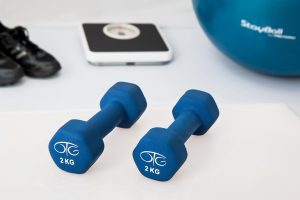
Getting fit at home has never been more accessible or appealing, particularly for men juggling busy schedules and seeking convenient ways to improve their health and well-being. No longer are expensive gym memberships and restrictive class times the only options for achieving your fitness goals. With the right knowledge and resources, you can build a powerful and effective home fitness routine tailored to your specific needs and aspirations.
Why Home Fitness for Men?
Convenience and Time Savings
One of the biggest draws of home fitness is its sheer convenience. According to a study by Global Workplace Analytics, employees lose an average of 11.5 days a year due to commute stress. Cutting out travel time to and from the gym frees up valuable time for your workout and other priorities.
- No more packing gym bags or rushing after work.
- Work out whenever it suits you – early morning, lunch break, or late evening.
- Eliminate distractions and focus solely on your fitness goals.
Cost-Effectiveness
Gym memberships can be expensive, especially when you factor in sign-up fees, personal training sessions, and travel costs. Home fitness eliminates these expenses.
- Initial investment in equipment can be a one-time expense.
- Free workout videos and online resources abound.
- Potential tax benefits may be available for home gym equipment in certain jurisdictions (consult a tax professional).
Privacy and Comfort
Some men feel more comfortable working out in the privacy of their own homes, especially when starting their fitness journey. This eliminates the pressure of being observed by others and allows you to focus on your form and progress.
- No need to worry about gym etiquette or feeling self-conscious.
- Create a personalized workout environment that motivates you.
- Experiment with different exercises and routines without feeling judged.
Building Your Home Gym
Essential Equipment
You don’t need a room full of expensive machines to build a functional home gym. Start with the essentials and gradually add more equipment as you progress.
- Adjustable Dumbbells: Versatile for a wide range of exercises, adjustable dumbbells are a space-saving option. Look for sets that range from 5 lbs to 50 lbs or more, depending on your strength level.
- Resistance Bands: Ideal for stretching, rehabilitation, and adding resistance to bodyweight exercises. Invest in a set with varying levels of resistance.
- Pull-Up Bar: A doorway pull-up bar is a relatively inexpensive way to work your back, shoulders, and arms. Ensure it’s securely installed and rated for your weight.
- Yoga Mat: Essential for floor exercises, stretching, and yoga.
- Jump Rope: A great cardio tool for improving coordination and burning calories.
Optional Equipment
As you progress and your fitness goals evolve, you can consider adding these items to your home gym:
- Kettlebell: Excellent for full-body workouts, core strength, and power development.
- Weight Bench: Adds versatility to dumbbell exercises, allowing for chest presses, rows, and more.
- Stability Ball: Improves balance, core strength, and posture.
- Cardio Machine (Treadmill, Elliptical, Stationary Bike): If you prefer structured cardio workouts, a cardio machine can be a worthwhile investment.
Space Optimization
Even if you don’t have a dedicated room for your home gym, you can still create a functional workout space. Consider these tips:
- Utilize Corners: Maximize space by placing equipment in corners.
- Foldable Equipment: Opt for foldable treadmills or weight benches that can be stored away when not in use.
- Vertical Storage: Use shelves or wall-mounted racks to store dumbbells, resistance bands, and other small equipment.
- Multi-Purpose Spaces: Turn a spare bedroom, basement, or garage into a multi-purpose workout area.
Creating a Home Workout Plan
Assessing Your Fitness Level
Before starting any workout program, it’s crucial to assess your current fitness level. This will help you create a plan that’s challenging yet safe.
- Warm-Up: Always start with a 5-10 minute warm-up to prepare your muscles for exercise. Examples include light cardio (jogging in place, jumping jacks) and dynamic stretching (arm circles, leg swings).
- Cool-Down: End each workout with a 5-10 minute cool-down to gradually lower your heart rate and prevent muscle soreness. Include static stretching, holding each stretch for 20-30 seconds.
- Considerations: Are you a beginner, intermediate, or advanced exerciser?
- Health Conditions: Do you have any underlying health conditions or injuries? Consult your doctor before starting any new exercise program.
Sample Workout Routines
Here are a few sample workout routines that you can adapt to your fitness level and equipment availability:
- Full Body Workout (3 times per week):
Squats: 3 sets of 10-12 reps
Push-Ups: 3 sets of as many reps as possible (AMRAP)
Dumbbell Rows: 3 sets of 10-12 reps per side
Overhead Press: 3 sets of 10-12 reps
Plank: 3 sets, holding for 30-60 seconds
- Upper Body Workout (2 times per week):
Dumbbell Bench Press: 3 sets of 8-12 reps
Pull-Ups (or Lat Pulldowns with Resistance Band): 3 sets of as many reps as possible (AMRAP)
Dumbbell Bicep Curls: 3 sets of 10-12 reps
Dumbbell Triceps Extensions: 3 sets of 10-12 reps
- Lower Body Workout (2 times per week):
Lunges: 3 sets of 10-12 reps per leg
Romanian Deadlifts: 3 sets of 10-12 reps
Calf Raises: 3 sets of 15-20 reps
Glute Bridges: 3 sets of 15-20 reps
Progressive Overload
To continue making progress, it’s essential to progressively overload your muscles. This means gradually increasing the intensity, duration, or frequency of your workouts.
- Increase Weight: Gradually increase the weight you lift as you get stronger.
- Increase Reps: Add more repetitions to your sets.
- Increase Sets: Perform more sets of each exercise.
- Decrease Rest Time: Shorten the rest periods between sets.
- Increase Frequency: Work out more frequently each week (but allow for adequate rest).
Staying Motivated and Consistent
Setting Realistic Goals
Setting realistic and achievable goals is crucial for maintaining motivation. Avoid setting overly ambitious goals that can lead to discouragement.
- SMART Goals: Set Specific, Measurable, Achievable, Relevant, and Time-bound goals. For example, “I will lose 2 pounds per week for the next 4 weeks by working out 3 times per week and following a healthy diet.”
- Short-Term Goals: Focus on small, incremental improvements that you can achieve in the short term.
- Long-Term Goals: Keep your long-term fitness goals in mind to stay motivated over the long haul.
Tracking Your Progress
Tracking your progress can help you stay motivated and see the results of your hard work. There are many ways to track your progress, including:
- Workout Journal: Keep a record of your workouts, including the exercises you performed, the weight you lifted, and the number of reps and sets.
- Fitness Apps: Use a fitness app to track your workouts, calories, and progress towards your goals. Examples include MyFitnessPal, Strava, and FitBit.
- Progress Photos: Take progress photos every few weeks to visually track your transformation.
Finding Accountability
Having an accountability partner can help you stay on track and motivated. This could be a friend, family member, or online fitness community.
- Workout Buddy: Find a workout buddy who shares your fitness goals and can provide support and encouragement.
- Online Communities: Join online fitness communities for motivation, tips, and support.
- Personal Trainer (Virtual): Consider working with a virtual personal trainer for personalized guidance and accountability.
Nutrition for Home Fitness
Fueling Your Body
Proper nutrition is essential for maximizing your fitness results and overall health. Focus on eating a balanced diet that includes plenty of protein, carbohydrates, and healthy fats.
- Protein: Aim for 0.8-1 gram of protein per pound of body weight to support muscle growth and repair.
- Carbohydrates: Choose complex carbohydrates like whole grains, fruits, and vegetables for sustained energy.
- Healthy Fats: Include healthy fats like avocado, nuts, and olive oil in your diet for hormone production and overall health.
Hydration
Staying hydrated is crucial for performance and recovery. Drink plenty of water throughout the day, especially before, during, and after your workouts.
- Water Intake: Aim to drink at least half your body weight in ounces of water per day.
- Electrolyte Drinks: Consider electrolyte drinks during intense workouts to replenish lost electrolytes.
Supplementation
While a healthy diet should be your primary source of nutrients, certain supplements can be beneficial for enhancing performance and recovery.
- Protein Powder: A convenient way to supplement your protein intake.
- Creatine: Can improve strength, power, and muscle growth.
- BCAAs (Branched-Chain Amino Acids): May help reduce muscle soreness and fatigue.
Important Note: Always consult with a healthcare professional or registered dietitian before taking any supplements.
Conclusion
Home fitness for men offers a practical, convenient, and effective way to achieve your health and fitness goals. By building a functional home gym, creating a structured workout plan, staying motivated, and focusing on proper nutrition, you can transform your body and improve your overall well-being. Start small, be consistent, and enjoy the journey! Remember, the most effective workout is the one you actually do.