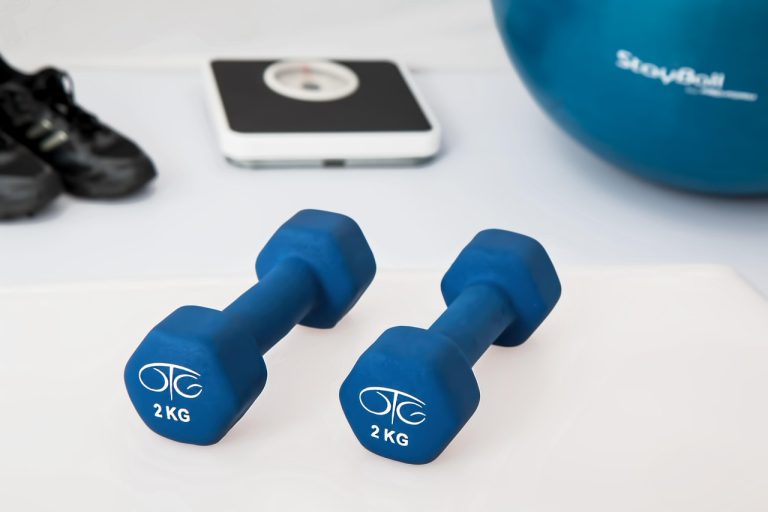
Embarking on a fitness journey can feel overwhelming, especially when you’re bombarded with information about complex workout routines and advanced techniques. But don’t let that deter you! Cardio, or cardiovascular exercise, is a fantastic way to kickstart your health and fitness goals. It’s not just about running marathons; it’s about finding activities you enjoy that get your heart pumping and improve your overall well-being. This guide is designed for complete beginners, breaking down the basics of cardio and providing practical tips to help you get started safely and effectively.
What is Cardio and Why is it Important?
Defining Cardio Exercise
Cardio, short for cardiovascular exercise, encompasses any activity that elevates your heart rate and breathing, improving the health of your heart and lungs. It’s a fundamental pillar of overall fitness and contributes significantly to both physical and mental well-being.
Benefits of Regular Cardio
Integrating cardio into your routine offers a plethora of benefits:
- Improved Cardiovascular Health: Cardio strengthens your heart muscle, lowers blood pressure, and reduces the risk of heart disease. Studies show that regular cardio can decrease the risk of heart disease by up to 30-40%.
- Weight Management: Cardio helps burn calories, aiding in weight loss or maintenance. The number of calories burned depends on the intensity and duration of the exercise.
- Boosted Mood and Reduced Stress: Exercise releases endorphins, natural mood boosters that can alleviate stress, anxiety, and even symptoms of depression.
- Increased Energy Levels: Regular cardio can improve your stamina and reduce fatigue, making everyday tasks feel easier.
- Improved Sleep Quality: Consistent physical activity can lead to better sleep patterns and deeper, more restful sleep.
- Reduced Risk of Chronic Diseases: Cardio can help prevent or manage conditions like type 2 diabetes, certain types of cancer, and osteoporosis.
Examples of Beginner-Friendly Cardio Activities
Think beyond the treadmill! Cardio doesn’t have to be monotonous. Here are some engaging and accessible options:
- Walking: A simple and effective way to start. Aim for brisk walks of 20-30 minutes, gradually increasing the duration and intensity.
- Jogging/Running: Progress from walking to jogging, alternating between the two as needed. Start with intervals: jog for 1 minute, walk for 2, and repeat.
- Cycling: Whether outdoors or on a stationary bike, cycling is gentle on the joints and provides a great cardio workout.
- Swimming: A low-impact, full-body workout that’s perfect for people of all fitness levels.
- Dancing: Put on some music and move! Dancing is a fun and engaging way to get your heart rate up.
- Hiking: Enjoy the outdoors while getting a great workout. Choose trails that are relatively flat and easy to navigate when you’re starting out.
Setting Realistic Goals and Expectations
The Importance of Gradual Progression
Jumping into intense workouts too quickly can lead to injuries and burnout. It’s crucial to start slowly and gradually increase the intensity and duration of your cardio sessions.
- Start Small: Begin with 10-15 minute sessions and gradually increase the time by 5-10 minutes each week.
- Listen to Your Body: Pay attention to any pain or discomfort and stop if you need to.
- Don’t Compare Yourself to Others: Everyone progresses at their own pace. Focus on your own journey and celebrate your achievements.
Setting SMART Goals
SMART goals are Specific, Measurable, Achievable, Relevant, and Time-bound. Using this framework can help you stay motivated and track your progress:
- Specific: Instead of “I want to do more cardio,” try “I want to walk for 30 minutes three times a week.”
- Measurable: Keep track of your progress using a fitness tracker, app, or journal.
- Achievable: Set goals that are challenging but attainable. Avoid setting yourself up for failure.
- Relevant: Choose activities that you enjoy and that fit into your lifestyle.
- Time-bound: Set a deadline for achieving your goal. For example, “I want to be able to run a 5k in 6 months.”
Tracking Your Progress
Monitoring your progress can keep you motivated and help you adjust your routine as needed.
- Use a Fitness Tracker: Wearable devices can track your heart rate, steps taken, calories burned, and more.
- Keep a Workout Journal: Record your workouts, noting the duration, intensity, and how you felt.
- Take Photos: Track your physical progress by taking photos every few weeks.
- Measure Your Resting Heart Rate: As you get fitter, your resting heart rate will likely decrease.
Designing Your Cardio Workout Plan
Determining Your Target Heart Rate
Understanding your target heart rate zone can help you optimize your cardio workouts.
- Calculate Your Maximum Heart Rate: Subtract your age from 220. For example, if you’re 30 years old, your maximum heart rate is 190 bpm.
- Calculate Your Target Heart Rate Zone: For moderate-intensity cardio, aim for 50-70% of your maximum heart rate. For vigorous-intensity cardio, aim for 70-85%.
- Use a Heart Rate Monitor: Wear a heart rate monitor to ensure you’re staying within your target zone.
Sample Weekly Workout Schedule
Here’s an example of a beginner-friendly cardio schedule:
- Monday: 30-minute brisk walk
- Tuesday: Rest or light stretching
- Wednesday: 20-minute cycling session
- Thursday: Rest or light yoga
- Friday: 30-minute swimming session
- Saturday: 45-minute hike (easy trail)
- Sunday: Rest
Incorporating Warm-Ups and Cool-Downs
Never skip your warm-up and cool-down! These are essential for preventing injuries and promoting recovery.
- Warm-Up: 5-10 minutes of light cardio, such as walking or marching in place, followed by dynamic stretching (arm circles, leg swings).
- Cool-Down: 5-10 minutes of slow cardio, gradually decreasing the intensity, followed by static stretching (holding each stretch for 30 seconds). Examples of static stretches are hamstring stretch, quadriceps stretch, and calf stretch.
Staying Motivated and Avoiding Burnout
Finding Activities You Enjoy
The key to long-term success is finding cardio activities that you genuinely enjoy. Experiment with different options until you find something that you look forward to doing.
- Try Different Activities: Don’t be afraid to try new things. You might discover a hidden passion for dancing or hiking.
- Incorporate Variety: Rotate between different activities to prevent boredom and challenge your body in different ways.
- Make it Social: Exercise with a friend, family member, or join a group fitness class.
Creating a Supportive Environment
Surrounding yourself with a supportive environment can help you stay motivated.
- Find a Workout Buddy: Having someone to exercise with can provide accountability and encouragement.
- Join a Fitness Community: Connect with other people who are pursuing similar goals.
- Reward Yourself: Celebrate your achievements with non-food rewards, such as a new workout outfit or a relaxing massage.
Avoiding Overtraining
Listen to your body and take rest days when you need them. Overtraining can lead to injuries, fatigue, and decreased motivation.
- Schedule Rest Days: Aim for at least one or two rest days per week.
- Get Enough Sleep: Prioritize sleep to allow your body to recover.
- Fuel Your Body Properly: Eat a balanced diet that provides the nutrients you need to support your workouts.
Conclusion
Starting a cardio routine doesn’t have to be daunting. By understanding the benefits of cardio, setting realistic goals, designing a workout plan, and staying motivated, you can successfully incorporate cardio into your lifestyle and reap the rewards of improved health and well-being. Remember to start slowly, listen to your body, and find activities you enjoy. Every step you take, no matter how small, is a step towards a healthier and happier you!