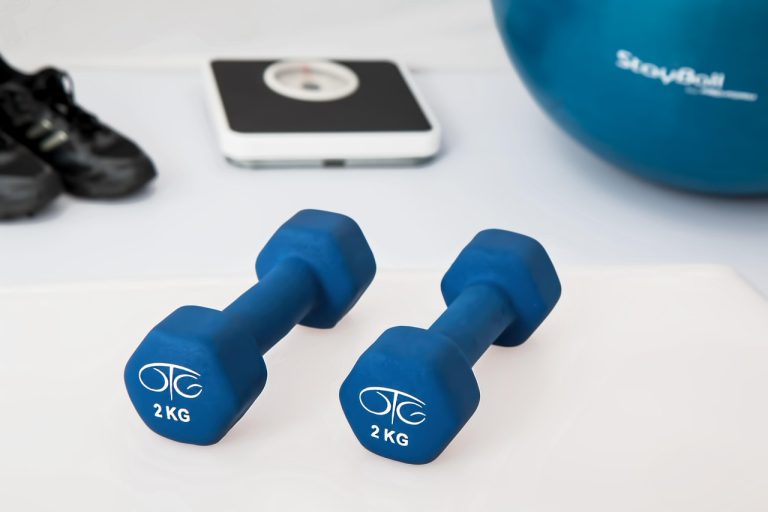
Embarking on a fitness journey can feel daunting, but it doesn’t have to be! Starting with a structured beginner fitness plan is the key to building a sustainable and enjoyable routine. This guide will provide you with everything you need to know to create a fitness plan tailored to your needs, helping you achieve your health and wellness goals one step at a time. Let’s dive in!
Setting Realistic Goals
Defining Your “Why”
- Identify your motivation: Understanding why you want to get fit is crucial. Is it to improve your overall health, boost your energy levels, manage your weight, or simply feel better about yourself? Knowing your “why” will keep you motivated when challenges arise.
- Set SMART goals: Ensure your goals are Specific, Measurable, Achievable, Relevant, and Time-bound.
Example: Instead of “I want to get in shape,” try “I want to be able to walk for 30 minutes without feeling winded by the end of 2 months.”
- Track your progress: Use a fitness journal, app, or spreadsheet to monitor your progress. This helps you stay accountable and see how far you’ve come.
Assessing Your Current Fitness Level
- Perform a self-assessment: Honestly evaluate your current fitness level. Can you easily walk up a flight of stairs? How long can you comfortably walk or jog?
- Consult a healthcare professional: Before starting any new fitness program, especially if you have any underlying health conditions, consult with your doctor.
- Understand your limitations: Be aware of any physical limitations or injuries that may affect your ability to perform certain exercises.
Building Your Workout Routine
Cardiovascular Exercise
- Benefits: Improves heart health, burns calories, increases stamina, reduces stress. Studies show regular cardio can significantly decrease the risk of heart disease.
- Beginner-friendly options:
Walking: Start with 20-30 minutes of brisk walking 3-5 times per week. Gradually increase the duration and intensity.
Cycling: A low-impact option that’s easy on the joints.
Swimming: Another excellent low-impact exercise that works your entire body.
Elliptical: Provides a full-body workout with minimal impact.
- Progression: As you get fitter, consider incorporating jogging, running, or interval training into your routine.
Strength Training
- Benefits: Builds muscle mass, increases bone density, improves metabolism, and enhances overall strength.
- Bodyweight exercises:
Squats: Targets your legs and glutes.
Push-ups: Works your chest, shoulders, and triceps. Start with modified push-ups on your knees if needed.
Lunges: Improves balance and strengthens your legs.
Plank: Engages your core muscles. Hold for 20-30 seconds and gradually increase the duration.
Start with light weights (dumbbells or resistance bands).
Focus on proper form to prevent injuries.
Sample exercises: Bicep curls, tricep extensions, overhead press, rows.
- Frequency: Aim for 2-3 strength training sessions per week, with rest days in between.
Flexibility and Mobility
- Benefits: Improves range of motion, reduces the risk of injuries, relieves muscle tension, and enhances posture.
- Stretching exercises:
Hold each stretch for 20-30 seconds.
Focus on major muscle groups, such as hamstrings, quads, chest, and shoulders.
Examples: Hamstring stretch, quadriceps stretch, triceps stretch, shoulder stretch, calf stretch.
- Yoga and Pilates: Great options for improving flexibility, strength, and balance. Many beginner-friendly classes are available.
- Foam rolling: Helps release muscle knots and improve flexibility.
Sample Beginner Workout Plan (3 Days/Week)
Warm-up: 5 minutes of light cardio (e.g., walking in place).
Cardio: 30 minutes of brisk walking or cycling.
Core: 3 sets of 15-20 repetitions of crunches, planks (hold for 30 seconds), and Russian twists.
Cool-down: 5 minutes of stretching.
Warm-up: 5 minutes of light cardio.
Bodyweight exercises:
Squats: 3 sets of 10-12 repetitions.
Push-ups (modified if needed): 3 sets of as many repetitions as possible (AMRAP).
Lunges: 3 sets of 10-12 repetitions per leg.
Plank: 3 sets, hold for 30 seconds.
Cool-down: 5 minutes of stretching.
- Day 3: Rest or Active Recovery
Rest: Allow your body to recover and rebuild muscle tissue.
Active recovery: Light activities like yoga, stretching, or a leisurely walk.
- Day 4: Cardio & Flexibility
Warm-up: 5 minutes of light cardio (e.g., marching in place).
Cardio: 25 minutes of elliptical or swimming.
Flexibility: 15 minutes of stretching focused on all major muscle groups.
Cool-down: 5 minutes of gentle breathing exercises.
Warm-up: 5 minutes of light cardio.
Dumbbell Exercises (Use light weights):
Bicep Curls: 3 sets of 10-12 repetitions.
Tricep Extensions: 3 sets of 10-12 repetitions.
Overhead Press: 3 sets of 8-10 repetitions.
Dumbbell Rows: 3 sets of 10-12 repetitions per arm.
Cool-down: 5 minutes of stretching.
Nutrition and Hydration
Fueling Your Body
- Balanced diet: Focus on consuming a balanced diet rich in fruits, vegetables, lean protein, and whole grains.
- Portion control: Be mindful of your portion sizes to avoid overeating.
- Pre- and post-workout nutrition: Consume a light snack before your workout (e.g., a banana or a handful of nuts) and a protein-rich meal or snack after your workout to aid muscle recovery.
- Limit processed foods: Reduce your intake of processed foods, sugary drinks, and unhealthy fats.
Staying Hydrated
- Drink plenty of water: Aim to drink at least 8 glasses of water per day, especially before, during, and after your workouts.
- Electrolyte balance: Consider drinking electrolyte-rich beverages after intense workouts to replenish lost minerals.
Staying Consistent and Motivated
Finding an Accountability Partner
- Workout buddy: Find a friend or family member who shares your fitness goals and can help you stay accountable.
- Support group: Join a fitness class or online community for support and encouragement.
Making it Enjoyable
- Find activities you enjoy: Choose exercises that you find fun and engaging.
- Mix it up: Vary your workouts to prevent boredom and challenge your body in different ways.
- Reward yourself: Celebrate your progress with non-food rewards, such as a new workout outfit or a relaxing massage.
Listening to Your Body
- Rest and recovery: Allow your body sufficient time to rest and recover between workouts.
- Don’t overtrain: Avoid pushing yourself too hard, especially when you’re just starting out.
- Listen to pain signals: If you experience any pain during exercise, stop immediately and consult with a healthcare professional.
Conclusion
Starting a beginner fitness plan is an investment in your health and well-being. By setting realistic goals, building a balanced workout routine, prioritizing nutrition and hydration, and staying consistent and motivated, you can achieve your fitness aspirations and enjoy a healthier, happier life. Remember to listen to your body, celebrate your progress, and embrace the journey. The key is consistency and finding a routine that works for you*. Good luck!