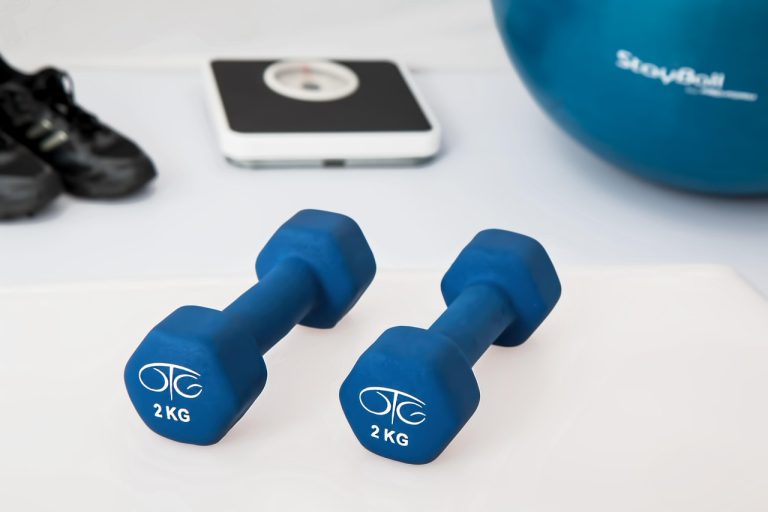
Embarking on a fitness journey is a transformative experience, one that promises not just physical changes, but also a significant boost to your mental and emotional well-being. However, knowing where to begin can often feel overwhelming. This guide aims to provide you with the essential steps, practical tips, and actionable strategies to kickstart your fitness journey effectively and sustainably, setting you on the path to a healthier, happier you.
Setting Realistic Fitness Goals
Defining Your “Why”
Before you lace up your sneakers or hit the gym, take some time to reflect on why you want to start a fitness journey. This is your driving force, your internal motivation that will keep you going when motivation wanes.
- Example: Instead of saying “I want to lose weight,” try “I want to lose weight so I can play with my kids without getting winded.” This deeper connection makes your goal more meaningful and attainable.
Consider these factors when defining your “why”:
- Improved physical health
- Increased energy levels
- Better mental well-being
- Enhanced self-confidence
- Preparation for a specific event (e.g., a marathon, a wedding)
SMART Goal Setting
Once you know your “why,” it’s time to set SMART goals. SMART stands for:
- Specific: Clearly define what you want to achieve.
- Measurable: Track your progress using quantifiable metrics.
- Achievable: Set goals that are challenging but realistic.
- Relevant: Ensure your goals align with your overall values and objectives.
- Time-bound: Establish a deadline for reaching your goals.
- Example: Instead of “I want to exercise more,” a SMART goal would be “I will exercise for 30 minutes, 3 times a week, for the next 8 weeks.”
Choosing the Right Activities
Exploring Different Fitness Options
The key to long-term fitness success is finding activities you genuinely enjoy. Don’t force yourself into a routine you dread. Explore different options to discover what works best for you:
- Cardio: Running, swimming, cycling, dancing, HIIT (High-Intensity Interval Training).
- Strength Training: Weightlifting, bodyweight exercises (push-ups, squats, planks), resistance bands.
- Flexibility and Mobility: Yoga, Pilates, stretching.
- Mind-Body Practices: Tai Chi, meditation.
Tailoring to Your Preferences and Lifestyle
- Time constraints: If you have limited time, consider short, intense workouts like HIIT.
- Location and access: Opt for activities you can easily access, whether it’s a nearby park, gym, or online classes.
- Budget: Free options like walking, running, and bodyweight exercises are excellent choices.
- Physical limitations: Consult a doctor or physical therapist to modify exercises or choose activities that accommodate any injuries or conditions.
Building a Sustainable Routine
Start Small and Gradually Increase Intensity
Avoid the common pitfall of doing too much too soon, which can lead to burnout and injuries. Begin with manageable workouts and gradually increase the duration and intensity as you get stronger.
- Example: If you’re new to running, start with walking intervals and gradually increase the running segments.
Consistency is Key
Regular exercise is more important than sporadic intense workouts. Aim for consistency, even if it means shorter sessions on some days.
- Actionable Tip: Schedule your workouts into your calendar like any other important appointment.
Listen to Your Body
Pay attention to your body’s signals and rest when needed. Don’t push through pain or exhaustion. Rest and recovery are crucial for muscle repair and preventing injuries.
- Track your sleep and make sure you get 7-9 hours of sleep per night.
Nutrition and Hydration
Fueling Your Body for Success
Proper nutrition is essential for supporting your fitness goals. Focus on a balanced diet that includes:
- Protein: Supports muscle growth and repair. Examples: Lean meats, poultry, fish, eggs, beans, lentils, tofu.
- Carbohydrates: Provides energy for workouts. Examples: Whole grains, fruits, vegetables.
- Healthy Fats: Important for hormone production and overall health. Examples: Avocados, nuts, seeds, olive oil.
Hydration Strategies
Staying hydrated is crucial for performance and recovery. Drink water throughout the day, especially before, during, and after workouts.
- Tip: Carry a reusable water bottle with you as a reminder to drink regularly.
- How Much: Aim for at least 8 glasses of water per day, and more if you’re exercising intensely or in hot weather.
Tracking Progress and Staying Motivated
Monitoring Your Results
Tracking your progress can help you stay motivated and make adjustments to your routine as needed. Use a fitness tracker, journal, or app to monitor:
- Weight
- Body measurements
- Workout duration and intensity
- Diet and calorie intake
- Sleep patterns
Celebrating Milestones and Seeking Support
Acknowledge your accomplishments, no matter how small. Reward yourself for reaching milestones (e.g., with a new workout outfit or a healthy meal).
- Find a workout buddy: Having someone to exercise with can provide accountability and motivation.
- Join a fitness community: Online or in-person communities can offer support, encouragement, and advice.
- Consider a personal trainer:* A certified personal trainer can provide personalized guidance, create a tailored workout plan, and help you stay on track.
Conclusion
Starting a fitness journey is a significant step towards a healthier and more fulfilling life. By setting realistic goals, choosing enjoyable activities, building a sustainable routine, prioritizing nutrition and hydration, and tracking your progress, you can create a positive and lasting change. Remember that consistency, patience, and self-compassion are key to long-term success. Embrace the journey, celebrate your progress, and enjoy the many benefits of a fit and healthy lifestyle.