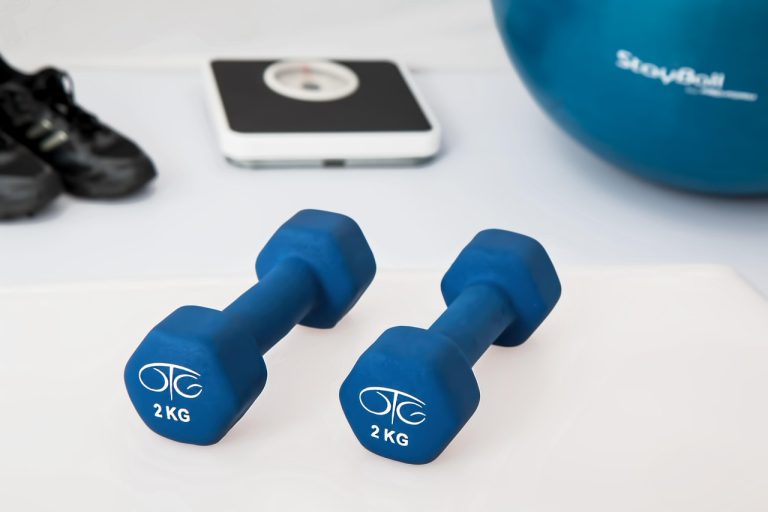
Embarking on a fitness journey can feel daunting, but it doesn’t have to be. Beginner fitness challenges are a fantastic way to ease into exercise, build consistency, and see real results without overwhelming yourself. These challenges provide structure, motivation, and a sense of accomplishment, setting the stage for a long-term commitment to your health and well-being. Whether you’re aiming to improve your strength, boost your cardio, or simply establish a healthier routine, a well-chosen challenge can be the perfect starting point.
Why Choose a Beginner Fitness Challenge?
Starting a fitness routine can be difficult, and many people find themselves losing motivation early on. Fitness challenges offer a structured and engaging alternative to simply hitting the gym with no clear plan.
Benefits of Fitness Challenges
- Increased Motivation: Challenges provide a clear goal and a timeline, making it easier to stay focused and motivated.
- Improved Consistency: The daily or weekly tasks encourage regular exercise, helping you build a consistent routine.
- Accountability: Many challenges involve tracking progress or sharing your journey with others, fostering accountability.
- Discovering New Activities: Challenges often introduce you to different types of exercises you might not have tried otherwise.
- Achievable Goals: Beginner challenges are designed to be attainable, boosting your confidence and encouraging you to keep going.
- Improved Overall Health: Regular physical activity contributes to better cardiovascular health, stronger muscles, improved mood, and reduced risk of chronic diseases.
Statistics on the Benefits of Exercise
Studies have consistently shown the positive impact of regular exercise. For example:
- The Centers for Disease Control and Prevention (CDC) recommends at least 150 minutes of moderate-intensity aerobic activity or 75 minutes of vigorous-intensity aerobic activity per week for adults.
- A study published in The Lancet found that even small amounts of physical activity can significantly reduce the risk of premature death.
- Research from Harvard Medical School indicates that exercise can improve mood, reduce stress, and enhance cognitive function.
Types of Beginner Fitness Challenges
There’s a wide variety of fitness challenges to choose from, catering to different interests and fitness levels. Here are some popular options:
Walking Challenges
- Example: A “Walk 10,000 Steps a Day” challenge for 30 days.
- Description: Track your steps using a pedometer or smartphone app. Aim for the recommended 10,000 steps daily.
- Benefits: Easy to start, requires no special equipment, and improves cardiovascular health.
- Tips: Break up your steps throughout the day. Take the stairs instead of the elevator, walk during your lunch break, and go for a walk after dinner.
Bodyweight Workout Challenges
- Example: A “30-Day Squat Challenge” or a “Plank Challenge.”
- Description: Focus on one bodyweight exercise and gradually increase the repetitions or duration each day.
- Benefits: Strengthens muscles, improves endurance, and can be done anywhere.
- Tips: Start with a manageable number of repetitions and gradually increase as you get stronger. Ensure proper form to avoid injuries. Watch videos for correct technique.
Core Strengthening Challenges
- Example: A “30-Day Ab Challenge” that combines different core exercises.
- Description: Perform a series of exercises targeting your abdominal muscles.
- Benefits: Improves core strength, stability, and posture.
- Exercises: Include planks, crunches, leg raises, and Russian twists.
- Tips: Focus on engaging your core muscles throughout each exercise. Avoid pulling on your neck during crunches.
Flexibility Challenges
- Example: A “30-Day Stretching Challenge” that focuses on different muscle groups.
- Description: Stretch different parts of your body daily to improve flexibility and range of motion.
- Benefits: Increases flexibility, reduces muscle stiffness, and improves posture.
- Stretches: Include hamstring stretches, quad stretches, shoulder stretches, and back stretches.
- Tips: Hold each stretch for 20-30 seconds and breathe deeply. Avoid bouncing or forcing your body into a stretch.
How to Choose the Right Challenge
Selecting a challenge that aligns with your goals, fitness level, and interests is crucial for success.
Assessing Your Fitness Level
- Be Honest: Evaluate your current fitness level realistically.
- Start Small: Choose a challenge that is appropriate for your fitness level to avoid injury and discouragement.
- Consult a Professional: If you have any underlying health conditions, consult a doctor or physical therapist before starting a new fitness challenge.
Setting Realistic Goals
- SMART Goals: Set Specific, Measurable, Achievable, Relevant, and Time-bound goals.
- Example: Instead of “Get in shape,” aim for “Walk 30 minutes, 5 days a week for the next month.”
- Adjust as Needed: Don’t be afraid to adjust your goals as you progress through the challenge.
Considering Your Interests
- Choose Activities You Enjoy: If you hate running, don’t choose a running challenge.
- Variety is Key: Mix things up to prevent boredom and target different muscle groups.
- Explore New Activities: Use the challenge as an opportunity to discover new exercises you enjoy.
Staying Motivated and on Track
Maintaining motivation throughout a fitness challenge can be tricky. Here are some strategies to help you stay on track:
Tracking Your Progress
- Use a Journal: Keep a fitness journal to track your progress and reflect on your journey.
- Apps and Wearables: Utilize fitness apps and wearable devices to monitor your activity levels and track your results.
- Visual Aids: Take progress photos or create a visual chart to track your accomplishments.
Finding an Accountability Partner
- Workout Buddy: Team up with a friend, family member, or colleague to support each other.
- Online Communities: Join online fitness communities or social media groups for motivation and support.
- Share Your Goals: Tell others about your goals to increase your accountability.
Rewarding Your Successes
- Non-Food Rewards: Treat yourself to new workout gear, a massage, or a relaxing activity.
- Celebrate Milestones: Acknowledge and celebrate your accomplishments along the way.
- Focus on the Process: Remember that the journey is just as important as the destination.
Dealing with Setbacks
- Don’t Give Up: Everyone experiences setbacks. Don’t let a missed workout or unhealthy meal derail your progress.
- Forgive Yourself: Acknowledge your mistake and move on.
- Adjust Your Plan: Modify your challenge if needed to make it more manageable.
Conclusion
Embarking on a beginner fitness challenge is a powerful way to kickstart a healthier lifestyle. By choosing the right challenge, setting realistic goals, and staying motivated, you can achieve significant improvements in your physical and mental well-being. Remember to listen to your body, celebrate your successes, and view the challenge as a stepping stone towards a long-term commitment to fitness. Good luck, and enjoy the journey!