Physical Address
304 North Cardinal St.
Dorchester Center, MA 02124
Physical Address
304 North Cardinal St.
Dorchester Center, MA 02124


Embarking on a fitness journey can feel overwhelming, filled with confusing jargon and conflicting advice. This guide is designed to cut through the noise and provide a clear, actionable roadmap for fitness newbies. We’ll cover everything from setting realistic goals to understanding basic nutrition, ensuring you build a solid foundation for long-term success. Get ready to transform your lifestyle, one step at a time.
Before diving into any workout routine, it’s crucial to understand your current fitness level. This involves a honest self-assessment. Ask yourself:
Consider consulting with a healthcare professional for a comprehensive check-up and personalized advice. This is particularly important if you have pre-existing conditions or haven’t been physically active in a while.
Setting SMART goals is a proven strategy for achieving fitness objectives. SMART stands for:
Fitness is a marathon, not a sprint. Don’t get discouraged if you don’t see results immediately. Consistent effort over time is what truly matters. Focus on making gradual progress and celebrating small victories along the way. Studies show that individuals who focus on process-oriented goals (e.g., exercising regularly) are more likely to stick with their fitness plans compared to those who solely focus on outcome-oriented goals (e.g., losing a certain amount of weight).
Cardiovascular exercise is essential for overall health and fitness. It strengthens your heart, improves circulation, and helps burn calories.
Aim for at least 150 minutes of moderate-intensity cardio per week, or 75 minutes of vigorous-intensity cardio, as recommended by the American Heart Association.
Strength training is crucial for building muscle mass, increasing bone density, and improving metabolism.
Squats: Stand with your feet shoulder-width apart, and lower your hips as if sitting in a chair.
Push-ups: Start in a plank position and lower your chest towards the ground, then push back up.
Planks: Hold a straight line from head to heels, engaging your core muscles.
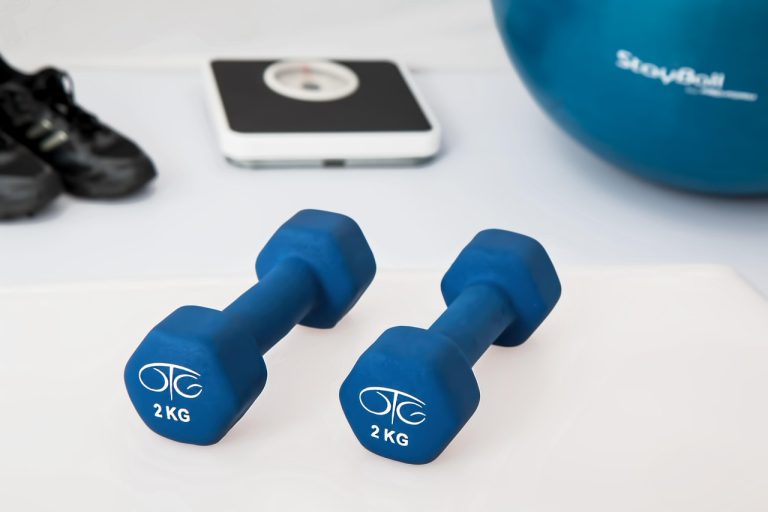
Bicep curls: Lift the dumbbells towards your shoulders, focusing on contracting your bicep muscles.
Overhead press: Press the dumbbells overhead, engaging your shoulder and upper back muscles.
Aim for strength training at least two days per week, working all major muscle groups (legs, back, chest, shoulders, arms, and core).
Flexibility exercises improve range of motion, reduce the risk of injury, and promote relaxation.
Hamstring stretch: Sit on the floor with your legs extended and reach towards your toes.
Quadriceps stretch: Stand and pull one heel towards your buttock.
Arm circles: Rotate your arms forward and backward in large circles.
Leg swings: Swing one leg forward and backward, keeping your core engaged.
Incorporate stretching into your routine after workouts or as a separate session several times per week.
Macronutrients are essential nutrients that provide energy and support bodily functions. They include:
Water is crucial for virtually every bodily function, including energy production, temperature regulation, and nutrient transport. Aim to drink at least eight glasses of water per day, and more if you’re physically active.
A study published in the Journal of the American Dietetic Association found that individuals who planned their meals were more likely to maintain a healthy weight.
Overtraining can lead to fatigue, injury, and burnout. It is important to listen to your body and take rest days when needed. Signs of overtraining include:
Everyone’s fitness journey is unique. Avoid comparing yourself to others, as this can lead to discouragement and unrealistic expectations. Focus on your own progress and celebrate your achievements.
Consistency is key to achieving your fitness goals. Develop a routine that you can stick to and make exercise a regular part of your life. Try to make exercise something you want to do, instead of something you feel you have to do. Find activities you genuinely enjoy.
Recovery is just as important as exercise. Make sure you get enough sleep, eat a healthy diet, and incorporate rest days into your routine. Sleep deprivation can negatively impact muscle recovery and hormone balance. Aim for 7-9 hours of quality sleep per night.
Starting a fitness journey can be both exciting and challenging. By setting realistic goals, building a balanced workout routine, understanding basic nutrition, and avoiding common pitfalls, you can pave the way for long-term success. Remember to be patient, consistent, and kind to yourself along the way. With dedication and perseverance, you can achieve your fitness goals and transform your life.