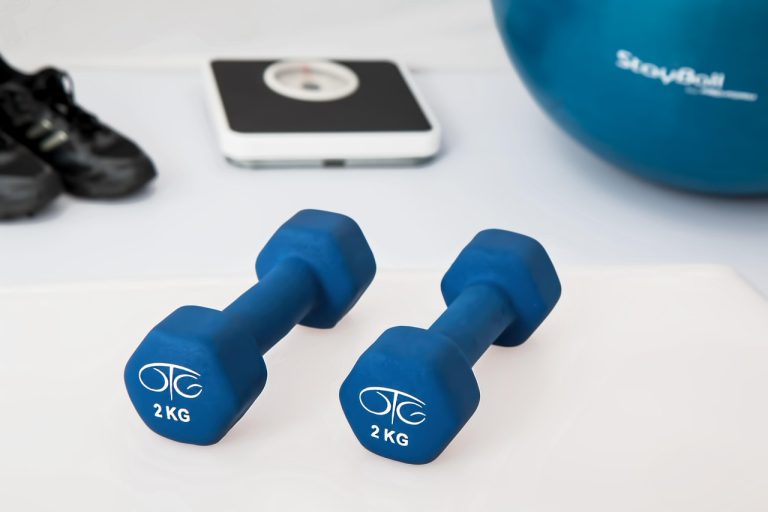
Embarking on a fitness journey is a transformative decision, a commitment to a healthier, happier you. It’s not just about shedding pounds or building muscle; it’s about cultivating a sustainable lifestyle that promotes physical and mental well-being. But where do you begin? This guide will provide a comprehensive roadmap to kickstart your fitness journey, ensuring you start strong and stay motivated.
Defining Your Fitness Goals
Identifying Your “Why”
The first and arguably most crucial step is understanding why you want to embark on this journey. A vague desire to “get in shape” is unlikely to sustain you through challenges. Instead, dig deeper. Ask yourself:
- What specific improvements do I want to see in my health and well-being?
- What activities do I want to be able to do that I currently struggle with?
- What are the long-term benefits I hope to achieve?
For example, instead of “I want to lose weight,” aim for “I want to lose 15 pounds to improve my energy levels and be able to comfortably hike up a mountain.” This specificity provides a clear target and a more compelling reason to persevere. Remember to write these down! Seeing them on paper reinforces your commitment.
Setting SMART Goals
Once you know your “why,” it’s time to translate that into concrete, achievable goals. Utilize the SMART framework:
- Specific: Clearly define what you want to achieve.
- Measurable: Quantify your goals with numbers or trackable metrics.
- Attainable: Set realistic goals that are challenging but not impossible.
- Relevant: Ensure your goals align with your overall values and aspirations.
- Time-bound: Set a deadline for achieving your goals.
- Example: Instead of “Exercise more,” a SMART goal would be “I will go to the gym three times a week for 30 minutes each time for the next two months.”
Assessing Your Current Fitness Level
Performing a Self-Assessment
Before jumping into a rigorous workout routine, it’s essential to understand your current physical capabilities. This will help you tailor your program to your specific needs and avoid injury. Consider these assessments:
- Cardiovascular Endurance: How long can you sustain moderate-intensity exercise like jogging or brisk walking? Try a simple test like walking a mile and recording your time.
- Muscular Strength: How much weight can you lift or how many repetitions can you perform with a particular exercise? Test yourself with basic exercises like push-ups (modified on your knees if necessary), squats, and planks.
- Flexibility: How far can you stretch? Perform simple stretches like touching your toes or reaching behind your back.
- Body Composition: Calculate your Body Mass Index (BMI) and consider measuring your body fat percentage (with a professional if possible).
Consulting a Professional
If you have any underlying health conditions or concerns, it’s always wise to consult with a doctor or a certified personal trainer. They can provide personalized recommendations and help you design a safe and effective fitness plan. A professional can also accurately measure your body fat percentage using specialized equipment.
Creating a Sustainable Workout Plan
Choosing Activities You Enjoy
The key to long-term success is finding activities you genuinely enjoy. If you dread your workouts, you’re less likely to stick with them. Experiment with different types of exercise:
- Cardio: Running, swimming, cycling, dancing, hiking.
- Strength Training: Weightlifting, bodyweight exercises (push-ups, squats, lunges), resistance bands.
- Flexibility and Balance: Yoga, Pilates, Tai Chi.
- Example: If you hate running, try cycling or swimming instead. If you find weightlifting boring, explore rock climbing or group fitness classes.
Structuring Your Workouts
A well-structured workout plan should include:
- Warm-up: Prepare your body for exercise with 5-10 minutes of light cardio and dynamic stretching (e.g., arm circles, leg swings).
- Workout: Focus on your chosen activities, gradually increasing the intensity and duration over time.
- Cool-down: Allow your body to recover with 5-10 minutes of light cardio and static stretching (holding stretches for 20-30 seconds).
- Example: A beginner strength training workout could include: 3 sets of 10-12 repetitions of squats, push-ups (modified on knees if needed), lunges, and rows.
Incorporating Rest and Recovery
Rest is just as important as exercise. Allow your body adequate time to recover between workouts to prevent injury and promote muscle growth. Aim for:
- 7-9 hours of sleep per night.
- Rest days: Schedule 1-2 rest days per week to allow your muscles to repair.
- Active recovery: Engage in light activities like walking or stretching on your rest days.
Fueling Your Body with a Healthy Diet
Understanding Macronutrients
Proper nutrition is crucial for supporting your fitness goals. Focus on consuming a balanced diet that includes:
- Protein: Essential for muscle building and repair. Aim for 0.8-1 gram of protein per pound of body weight. Good sources include lean meats, poultry, fish, eggs, beans, and lentils.
- Carbohydrates: Provide energy for your workouts. Choose complex carbohydrates like whole grains, fruits, and vegetables.
- Fats: Important for hormone production and overall health. Opt for healthy fats like avocados, nuts, seeds, and olive oil.
Focusing on Whole, Unprocessed Foods
Prioritize whole, unprocessed foods over processed snacks and sugary drinks. These foods are packed with nutrients and fiber, which will keep you feeling full and energized.
- Fruits and Vegetables: Aim for at least five servings per day.
- Whole Grains: Choose whole wheat bread, brown rice, and oats over refined grains.
- Lean Protein: Opt for lean meats, poultry, fish, beans, and lentils.
Staying Hydrated
Drink plenty of water throughout the day, especially before, during, and after workouts. Dehydration can lead to fatigue, muscle cramps, and decreased performance. Aim for at least eight glasses of water per day.
Staying Motivated and Tracking Progress
Finding an Accountability Partner
Having a friend, family member, or trainer to support you can significantly increase your chances of success. You can encourage each other, share tips, and hold each other accountable.
Tracking Your Progress
Monitor your progress to stay motivated and see how far you’ve come.
- Weight and Measurements: Track your weight and body measurements regularly.
- Workout Logs: Record your workouts, including the exercises you performed, the weight you lifted, and the number of repetitions.
- Progress Photos: Take progress photos regularly to visually track your transformation.
- Fitness Apps:* Use fitness apps to track your activity levels, calorie intake, and sleep patterns. Examples include MyFitnessPal, Strava, and Fitbit.
Rewarding Yourself (Healthily)
Celebrate your milestones and successes along the way. Reward yourself with non-food items, such as new workout gear, a massage, or a relaxing day at the spa. This helps reinforce positive behaviors and keeps you motivated.
Conclusion
Starting a fitness journey is a significant undertaking, but with the right approach and mindset, it can be a rewarding and life-changing experience. By defining your goals, assessing your fitness level, creating a sustainable workout plan, fueling your body with a healthy diet, and staying motivated, you can pave the way for long-term success. Remember that consistency is key, and progress takes time. Be patient with yourself, celebrate your achievements, and enjoy the journey!