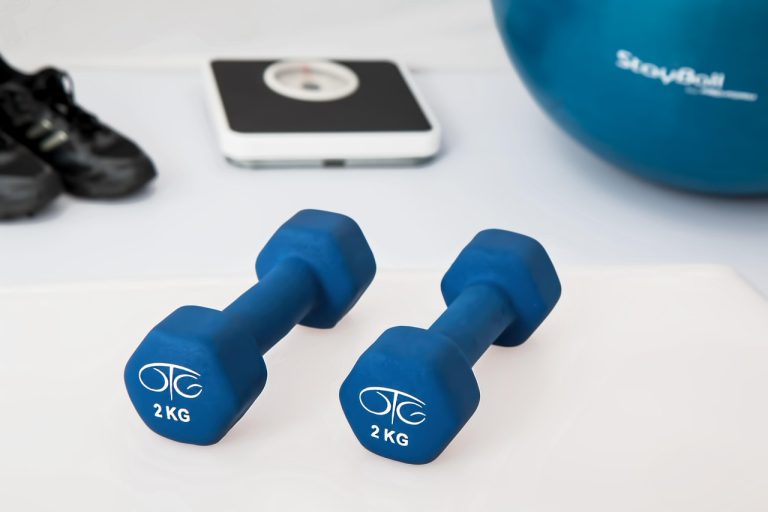
Embarking on a fitness journey can feel daunting, but it’s also one of the most rewarding decisions you can make for your health and well-being. It’s not just about shedding pounds or building muscle; it’s about cultivating a healthier lifestyle that positively impacts your physical and mental state. This guide will provide you with practical steps and insights to kickstart and maintain a successful fitness journey.
Setting Realistic Goals
Understanding Your “Why”
Before jumping into any workout routine or diet plan, take some time to truly understand why you want to embark on this journey. Is it to improve your overall health, boost your energy levels, manage a specific health condition, or simply feel more confident? Having a clear and compelling reason will serve as a powerful motivator when faced with challenges.
- Example: Instead of “I want to lose weight,” try “I want to lose weight so I can play with my kids without getting winded and increase my energy levels.”
SMART Goal Setting
Once you know your “why,” define your goals using the SMART framework:
- Specific: Clearly define what you want to achieve. Avoid vague goals like “get in shape.” Instead, aim for something like “lose 10 pounds.”
- Measurable: How will you track your progress? Use numbers (pounds lost, inches gained, reps completed) to quantify your achievements.
- Achievable: Set realistic goals based on your current fitness level and lifestyle. Don’t try to run a marathon if you’ve never run before.
- Relevant: Ensure your goals align with your overall “why.” They should be personally meaningful and contribute to your long-term health and well-being.
- Time-bound: Set a deadline for achieving your goals. This creates a sense of urgency and helps you stay on track. For example, “Lose 10 pounds in 8 weeks.”
Tracking Your Progress
- Use a journal or app: Record your workouts, meals, and how you’re feeling. This allows you to identify patterns and make adjustments as needed.
- Take progress photos: Visual evidence can be incredibly motivating, even when the scale doesn’t move.
- Measure your body: Track changes in your waist circumference, hips, and other areas to see non-scale progress.
Creating a Sustainable Workout Plan
Finding Activities You Enjoy
The key to sticking with a fitness routine is to find activities you genuinely enjoy. If you dread your workouts, you’re less likely to maintain them in the long run.
- Experiment with different activities: Try swimming, cycling, hiking, dancing, yoga, or team sports.
- Consider your personality: Are you an extrovert who thrives in group settings? Join a fitness class. Are you an introvert who prefers solitude? Try running or hiking.
- Make it social: Workout with a friend or family member for added motivation and accountability.
Designing a Balanced Routine
A well-rounded fitness routine should incorporate three key components:
- Cardiovascular exercise: Activities that elevate your heart rate and improve your endurance (running, swimming, cycling, brisk walking). Aim for at least 150 minutes of moderate-intensity or 75 minutes of vigorous-intensity cardio per week.
- Strength training: Exercises that build muscle mass and strength (lifting weights, using resistance bands, bodyweight exercises). Include all major muscle groups (legs, back, chest, shoulders, arms). Aim for at least two strength training sessions per week.
- Flexibility and mobility: Stretches and exercises that improve your range of motion and prevent injuries (yoga, Pilates, stretching). Incorporate these into your routine several times per week.
Sample Weekly Plan (Beginner)
- Monday: 30-minute brisk walk
- Tuesday: Bodyweight strength training (squats, push-ups, lunges, planks) – 3 sets of 10-12 reps
- Wednesday: Rest or light activity (yoga, stretching)
- Thursday: 30-minute cycling
- Friday: Bodyweight strength training (squats, push-ups, lunges, planks) – 3 sets of 10-12 reps
- Saturday: Hiking or a longer walk
- Sunday: Rest
Nourishing Your Body with a Healthy Diet
Focusing on Whole Foods
A healthy diet is just as important as exercise when it comes to achieving your fitness goals. Prioritize whole, unprocessed foods:
- Fruits and vegetables: Aim for at least five servings per day.
- Lean protein: Chicken, fish, beans, lentils, tofu.
- Whole grains: Brown rice, quinoa, oats.
- Healthy fats: Avocados, nuts, seeds, olive oil.
Mindful Eating
- Pay attention to hunger and fullness cues: Eat when you’re hungry and stop when you’re satisfied, not stuffed.
- Avoid distractions while eating: Turn off the TV and put away your phone.
- Chew your food thoroughly: This aids digestion and helps you feel fuller sooner.
Hydration
- Drink plenty of water throughout the day: Aim for at least eight glasses of water per day.
- Carry a water bottle with you: This makes it easier to stay hydrated on the go.
- Drink water before, during, and after exercise: To replenish fluids lost through sweat.
Limiting Processed Foods, Sugary Drinks and Alcohol
While occasional treats are fine, limiting your intake of processed foods, sugary drinks, and excessive alcohol is crucial for overall health and fitness. These foods are often high in calories, unhealthy fats, and added sugars, which can sabotage your progress.
Staying Motivated and Overcoming Challenges
Finding an Accountability Partner
Having someone to share your fitness journey with can provide much-needed support and motivation. This could be a friend, family member, or a fitness coach.
- Workout together: Schedule regular workouts with your accountability partner.
- Check in with each other regularly: Share your progress, challenges, and successes.
- Celebrate milestones: Acknowledge your achievements together.
Rewarding Yourself (Non-Food Rewards)
It’s important to celebrate your successes along the way, but choose rewards that support your overall health and well-being:
- Treat yourself to a massage.
- Buy new workout clothes.
- Take a relaxing bath.
- Plan a weekend getaway.
Dealing with Setbacks
Everyone experiences setbacks on their fitness journey. The key is to not let them derail you completely.
- Don’t beat yourself up: Acknowledge that slip-ups happen.
- Learn from your mistakes: Identify what triggered the setback and make adjustments to prevent it from happening again.
- Get back on track as soon as possible: Don’t let one bad day turn into a bad week.
Conclusion
Starting a fitness journey is a transformative experience that requires dedication, patience, and a positive mindset. By setting realistic goals, creating a sustainable workout plan, nourishing your body with a healthy diet, and staying motivated through challenges, you can achieve lasting results and enjoy a healthier, happier life. Remember that progress is not always linear, and it’s okay to adjust your plan as needed. Focus on building healthy habits that you can maintain long-term, and celebrate every milestone along the way. Your journey to a better you starts now!