Stepping into a workout without a plan is like setting sail without a map – you might reach your destination eventually, but the journey will be inefficient and fraught with unexpected challenges. Preparing for your workout, both mentally and physically, is crucial for maximizing results, preventing injuries, and ensuring a consistently positive experience. This isn’t just about packing your gym bag; it’s about optimizing your entire approach to fitness. Let’s dive into how you can effectively prep for your next workout to achieve peak performance.
Defining Your Workout Goals
Understanding Your Objectives
Before you even think about what to wear or which protein shake to make, ask yourself: what do I want to achieve with this workout? Are you focusing on building strength, increasing endurance, improving flexibility, or simply maintaining your current fitness level? Having a clear goal in mind will dictate the type of workout you choose and the intensity you bring to it.
- Specific Goals: Aim for specific, measurable, achievable, relevant, and time-bound (SMART) goals. For example, instead of “get stronger,” try “increase my bench press by 10 pounds in 4 weeks.”
- Track Progress: Keeping track of your progress helps maintain motivation and provides valuable insights into what’s working and what isn’t. Use a workout journal, a fitness app, or a simple spreadsheet.
- Example: If your goal is to improve cardiovascular endurance, your workout prep might involve planning a longer running route, focusing on pacing strategies, and ensuring adequate hydration.
Selecting the Right Workout
Once you’ve defined your goals, choose a workout that aligns with them. If you’re aiming to build strength, focus on weightlifting exercises. For cardiovascular health, consider running, cycling, or swimming. If flexibility is your priority, incorporate yoga or Pilates into your routine.
- Variety is Key: Avoid workout plateaus by incorporating variety into your routine. Mix up exercises, sets, reps, and rest times.
- Consider Your Fitness Level: Choose exercises that are challenging but within your capabilities. Don’t be afraid to modify exercises or start with lighter weights as needed.
- Example: If you’re new to weightlifting, consider starting with bodyweight exercises or lighter dumbbells to master proper form before progressing to heavier weights.
Fueling Your Body Effectively
Pre-Workout Nutrition
Your body needs fuel to perform optimally. What you eat before a workout significantly impacts your energy levels and endurance. Aim for a combination of carbohydrates and protein.
- Carbohydrates for Energy: Carbs provide the necessary glucose for your muscles. Opt for complex carbs like whole grains, fruits, or vegetables.
- Protein for Muscle Support: Protein helps protect and repair muscle tissue during and after your workout.
- Timing is Crucial: Eat your pre-workout meal 1-3 hours before exercising to allow time for digestion.
- Example: A banana with peanut butter, a small bowl of oatmeal with berries, or a protein shake with a piece of fruit are good pre-workout options.
Hydration Strategies
Dehydration can significantly impair performance and increase the risk of injury. Ensure you’re adequately hydrated before, during, and after your workout.
- Pre-Hydration: Drink plenty of water in the hours leading up to your workout.
- During-Workout Hydration: Keep a water bottle handy and take regular sips, especially during longer or more intense workouts.
- Electrolyte Balance: For prolonged exercise, consider a sports drink to replenish electrolytes lost through sweat.
- Example: Aim to drink at least 16 ounces of water a few hours before your workout and continue sipping throughout.
Preparing Your Mind and Body
Warm-up Routine
A proper warm-up is essential for preparing your muscles and joints for the demands of your workout. It increases blood flow, improves flexibility, and reduces the risk of injury.
- Cardiovascular Activation: Start with 5-10 minutes of light cardio, such as jogging, jumping jacks, or cycling.
- Dynamic Stretching: Perform dynamic stretches that mimic the movements you’ll be doing during your workout. Examples include arm circles, leg swings, and torso twists.
- Joint Mobility: Focus on mobilizing your joints with exercises like wrist rotations, ankle rotations, and hip circles.
- Example: Before a running workout, try a light jog followed by leg swings, butt kicks, and high knees.
Mental Preparation
Your mental state can significantly impact your workout performance. Take a few minutes to mentally prepare yourself before you start.
- Visualization: Visualize yourself successfully completing your workout. Imagine yourself lifting heavier weights, running faster, or holding a yoga pose longer.
- Goal Setting: Remind yourself of your goals for the workout and how it contributes to your overall fitness objectives.
- Positive Affirmations: Use positive self-talk to boost your confidence and motivation.
- Example: Before a challenging weightlifting session, visualize yourself successfully completing each rep with proper form.
Essential Gear and Logistics
Clothing and Equipment
Having the right gear can make your workout more comfortable and effective.
- Comfortable Clothing: Choose moisture-wicking clothing that allows for a full range of motion.
- Supportive Footwear: Wear shoes that are appropriate for the type of workout you’ll be doing.
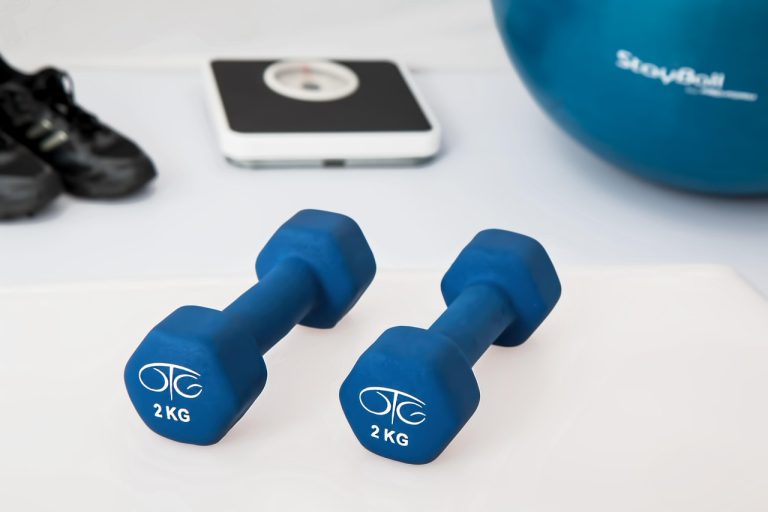
- Necessary Equipment: Gather any equipment you’ll need, such as weights, resistance bands, or a yoga mat.
- Example: If you’re running outdoors, wear breathable clothing, sunscreen, and a hat.
Planning Your Schedule
Fit your workout into your daily or weekly schedule to ensure consistency.
- Choose a Time That Works: Select a time when you’re most likely to stick to your workout.
- Schedule in Advance: Treat your workouts like important appointments and schedule them in advance.
- Be Flexible: Life happens, so be prepared to adjust your schedule as needed.
- Example: If you’re a morning person, try scheduling your workouts for the early morning before work.
Monitoring Progress and Adjusting Your Plan
Tracking Your Performance
Consistently tracking your workouts helps you stay motivated and identify areas for improvement.
- Keep a Workout Journal: Record the exercises you perform, the weight you lift, the number of reps and sets, and any other relevant information.
- Use a Fitness App: Many fitness apps can track your workouts, monitor your progress, and provide valuable insights.
- Analyze Your Data: Regularly review your workout data to identify patterns and trends.
Making Necessary Adjustments
As you progress, you may need to adjust your workout plan to continue seeing results.
- Increase Intensity: Gradually increase the intensity of your workouts by lifting heavier weights, running faster, or adding more reps and sets.
- Change Exercises: Switch up your exercises to challenge your muscles in new ways.
- Listen to Your Body: Pay attention to your body and adjust your workouts as needed. Don’t push yourself too hard if you’re feeling tired or sore.
- Example: If you’ve been consistently lifting the same weight for several weeks, try increasing the weight or changing the exercise to continue challenging your muscles.
Conclusion
Preparing for a workout is about more than just showing up at the gym. It’s about defining your goals, fueling your body, preparing your mind, gathering your gear, and planning your schedule. By taking the time to properly prepare, you can maximize your results, minimize your risk of injury, and create a sustainable fitness routine that helps you achieve your goals. Remember, consistency is key, and proper preparation is the foundation upon which a successful fitness journey is built.