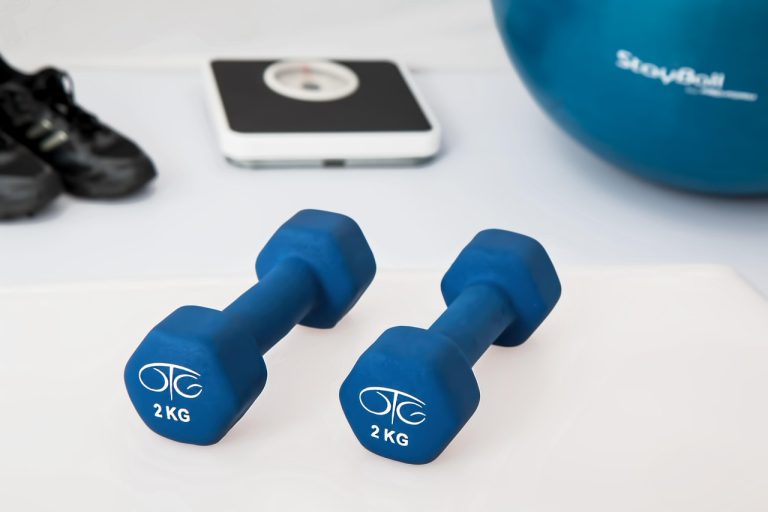
Stepping into a gym for the first time can be exciting, but also a little daunting. The array of equipment, the seemingly effortless routines of seasoned gym-goers, and the sheer volume of information can feel overwhelming. Fear not! This guide is designed to arm you with essential beginner gym tips to help you navigate your fitness journey with confidence and achieve your health goals. Whether you’re looking to build muscle, lose weight, or simply improve your overall well-being, understanding these fundamentals is crucial for a successful and enjoyable experience.
Setting SMART Goals and Understanding Your “Why”
Embarking on a fitness journey without a clear destination is like sailing without a compass. Defining your goals is the first step toward achieving them.
The Power of SMART Goals
- Specific: Vague goals like “get in shape” are difficult to track. Instead, aim for specifics like “lose 10 pounds” or “run a 5k.”
- Measurable: Define quantifiable metrics. “Increase bench press by 20 pounds” provides a tangible target.
- Achievable: Be realistic about what you can accomplish. Setting overly ambitious goals can lead to discouragement. Start small and gradually increase the challenge. For example, aim to increase your workout frequency from 0 to 2 times per week.
- Relevant: Ensure your goals align with your overall values and lifestyle. If you dislike running, perhaps focus on strength training instead.
- Time-bound: Set a deadline. “Lose 10 pounds in 12 weeks” adds a sense of urgency and accountability.
Discovering Your “Why”
- Understanding your motivations is crucial for long-term commitment. Ask yourself why you want to achieve these goals.
- Are you striving for better health, increased energy, improved self-esteem, or something else?
- Write down your “why” and revisit it when motivation wanes.
- Example: “I want to improve my cardiovascular health so I can play with my grandchildren without getting winded.”
Mastering Gym Etiquette and Safety
The gym is a shared space. Understanding and practicing proper etiquette ensures a positive experience for everyone.
Respecting the Space
- Wipe down equipment: Always wipe down machines and benches after use with the provided disinfectant wipes. This prevents the spread of germs and shows consideration for others.
- Rerack weights: Put weights back in their designated places after use. Leaving weights scattered around can be a safety hazard and inconvenient for other members.
- Be mindful of noise: Avoid excessive grunting or dropping weights loudly. This can be distracting and disruptive to others.
- Limit cell phone use: Refrain from lengthy conversations on your phone while occupying equipment. Allow others to use it.
Prioritizing Safety
- Proper form: Focus on maintaining proper form during exercises. Watch videos, ask a trainer for guidance, or use lighter weights to master the technique. Improper form can lead to injuries.
- Warm-up and cool-down: Always warm up your muscles before exercising and cool down afterward. This prepares your body for activity and reduces the risk of injury. A 5-10 minute warm-up of light cardio and dynamic stretching is ideal, followed by static stretching post-workout.
- Listen to your body: Don’t push yourself too hard, especially when starting out. Pay attention to your body’s signals and stop if you feel pain.
- Use spotters: When lifting heavy weights, use a spotter for safety. This is particularly important for exercises like bench press and squats.
- Stay hydrated: Drink plenty of water before, during, and after your workouts. Dehydration can lead to fatigue and decreased performance.
- Familiarize yourself with the equipment: If you are unsure about how to use a machine, ask a gym staff member for assistance.
Creating a Beginner-Friendly Workout Plan
Starting with a structured workout plan is more effective than randomly selecting exercises.
Full-Body Workouts
- Focus on full-body workouts 2-3 times per week when starting. These workouts engage multiple muscle groups, promoting overall strength and fitness.
- Example exercises:
Squats (targets legs and glutes)
Push-ups (targets chest, shoulders, and triceps)
Rows (targets back and biceps)
Overhead press (targets shoulders)
Plank (targets core)
- Perform 2-3 sets of 10-12 repetitions for each exercise.
Importance of Compound Exercises
- Prioritize compound exercises that work multiple muscle groups simultaneously. Examples include squats, deadlifts, bench presses, and overhead presses.
- Benefits:
Burn more calories
Build more muscle
Improve functional strength (strength used in everyday activities)
Time-efficient
Progressive Overload
- Gradually increase the weight, reps, or sets as you get stronger. This principle, known as progressive overload, is essential for continued progress.
- Example: If you can easily perform 12 repetitions of a squat with a certain weight, increase the weight by a small increment (e.g., 2.5-5 pounds) in your next workout.
Nutrition and Recovery for Optimal Results
Your fitness journey extends beyond the gym walls. Nutrition and recovery play equally important roles.
Fueling Your Body
- Protein: Essential for muscle repair and growth. Aim for 0.8-1 gram of protein per pound of body weight. Good sources include lean meats, poultry, fish, eggs, dairy, and plant-based options like beans and lentils.
- Carbohydrates: Provide energy for workouts. Choose complex carbohydrates like whole grains, fruits, and vegetables over processed options.
- Healthy Fats: Important for hormone production and overall health. Include sources like avocados, nuts, seeds, and olive oil in your diet.
- Hydration: Drink plenty of water throughout the day to support muscle function and prevent dehydration.
The Importance of Rest and Recovery
- Sleep: Aim for 7-9 hours of quality sleep per night. Sleep is crucial for muscle recovery and hormone regulation.
- Active Recovery: Incorporate light activities like walking or stretching on your rest days to promote blood flow and reduce muscle soreness.
- Listen to Your Body: Don’t overtrain. Take rest days when needed and allow your body to recover. Signs of overtraining include fatigue, decreased performance, and increased risk of injury.
- Foam Rolling: Self-myofascial release, or foam rolling, can help to relieve muscle tension and improve flexibility.
Tracking Progress and Staying Motivated
Monitoring your progress and staying motivated are crucial for long-term success.
Tracking Your Workouts
- Keep a workout journal: Record your exercises, sets, reps, and weight used. This allows you to track your progress and identify areas for improvement.
- Use a fitness tracker: Monitor your activity levels, heart rate, and sleep patterns. Many fitness trackers also provide workout tracking features.
Celebrating Milestones
- Acknowledge your achievements, no matter how small. Celebrate reaching your goals with healthy rewards.
- Examples:
Treat yourself to a massage
Buy new workout gear
Plan a healthy meal with friends
Finding an Accountability Partner
- Working out with a friend or family member can provide motivation and support.
- Having someone to hold you accountable can make it easier to stick to your fitness routine.
Staying Inspired
- Follow fitness professionals on social media: Find accounts that inspire you and provide helpful tips and advice.
- Read fitness magazines and blogs: Stay up-to-date on the latest trends and research.
- Remember your “why”: Revisit your initial motivations when you feel your motivation waning.
Conclusion
Starting your gym journey can be an incredibly rewarding experience. By setting SMART goals, prioritizing safety and etiquette, creating a beginner-friendly workout plan, focusing on proper nutrition and recovery, and tracking your progress, you’ll be well on your way to achieving your fitness aspirations. Remember to be patient, consistent, and enjoy the process. The journey to a healthier you is a marathon, not a sprint. Good luck!