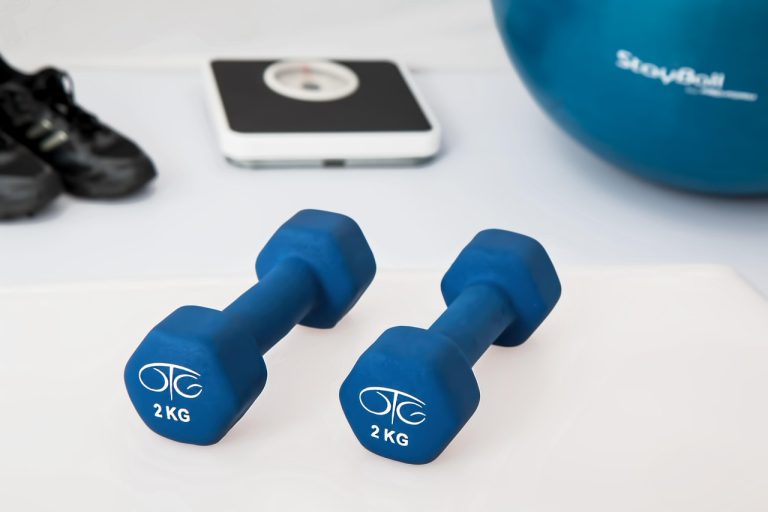
Embarking on a gym routine is a fantastic step towards improved health, increased energy, and a stronger, more confident you. However, starting can be daunting. Where do you begin? What exercises are right for you? This comprehensive guide will walk you through everything you need to know to create a successful and sustainable gym routine, from setting goals to maintaining motivation.
Setting Realistic Goals and Expectations
Before you even step foot in the gym, it’s crucial to define your fitness goals. Having clear objectives will guide your workout plan and help you stay motivated.
Defining Your Fitness Objectives
Are you aiming to lose weight, build muscle, improve cardiovascular health, or simply increase your overall fitness level? Be specific. Instead of “lose weight,” try “lose 10 pounds in 2 months.”
- Weight Loss: Aim for a sustainable weight loss of 1-2 pounds per week. Combine exercise with a healthy diet.
- Muscle Gain: Focus on strength training exercises, progressive overload (gradually increasing the weight or reps), and a protein-rich diet.
- Improved Cardio: Set goals like running a 5K, improving your mile time, or being able to sustain 30 minutes of continuous cardiovascular exercise.
- Overall Fitness: Combine cardio, strength training, and flexibility exercises for a well-rounded routine.
Setting SMART Goals
SMART goals are Specific, Measurable, Achievable, Relevant, and Time-bound. For example:
- Specific: “I will go to the gym three times a week.”
- Measurable: “I will lift 10 more pounds on the bench press in 4 weeks.”
- Achievable: “I will start with 15 minutes of cardio and gradually increase to 30 minutes.”
- Relevant: “Improving my cardiovascular health will help me feel more energetic and perform better at work.”
- Time-bound: “I will achieve this within the next 6 weeks.”
Managing Expectations
Remember that progress takes time. Don’t get discouraged if you don’t see results immediately. Consistency is key.
- Realistic Timeline: Results often take 4-6 weeks to become noticeable.
- Celebrate Small Wins: Acknowledge and celebrate your progress, no matter how small.
- Avoid Comparison: Focus on your own journey and avoid comparing yourself to others. Everyone progresses at their own pace.
Designing Your Workout Plan
A well-structured workout plan is essential for achieving your fitness goals efficiently and safely.
Choosing the Right Exercises
Select exercises that align with your goals and fitness level. Start with a mix of cardio and strength training.
- Cardio: Examples include running, cycling, swimming, elliptical training, and brisk walking. Aim for at least 150 minutes of moderate-intensity or 75 minutes of vigorous-intensity cardio per week.
- Strength Training: Focus on compound exercises that work multiple muscle groups simultaneously, such as squats, deadlifts, bench press, overhead press, and rows.
- Bodyweight Exercises: These are excellent for beginners and can be done anywhere. Examples include push-ups, planks, lunges, and squats.
Sample Workout Routines for Beginners
Here are two sample routines you can start with, alternating between them on different days:
- Routine A (Strength Focus):
Squats: 3 sets of 8-12 reps
Push-ups: 3 sets of as many reps as possible (AMRAP)
Dumbbell Rows: 3 sets of 8-12 reps per arm
Plank: 3 sets, hold for 30-60 seconds
- Routine B (Cardio & Light Strength):
30 minutes of brisk walking or jogging on the treadmill
Lunges: 3 sets of 10-12 reps per leg
Dumbbell Bicep Curls: 3 sets of 10-12 reps
Dumbbell Tricep Extensions: 3 sets of 10-12 reps
The Importance of Warm-up and Cool-down
Always start with a warm-up to prepare your muscles for exercise and reduce the risk of injury. End with a cool-down to gradually lower your heart rate and improve flexibility.
- Warm-up: 5-10 minutes of light cardio, such as jogging in place or jumping jacks, followed by dynamic stretching (arm circles, leg swings).
- Cool-down: 5-10 minutes of static stretching (holding each stretch for 20-30 seconds), focusing on the muscles you worked during your workout.
Understanding Proper Form and Technique
Using proper form is crucial to prevent injuries and maximize the effectiveness of your workouts.
Seeking Guidance from Professionals
Consider working with a certified personal trainer, especially when starting out. They can teach you proper form and technique, customize a workout plan based on your needs, and provide ongoing support and motivation. Many gyms offer free introductory sessions with a trainer.
Watching Instructional Videos
YouTube is a great resource for learning proper form for various exercises. Look for videos from reputable fitness experts and channels.
- Example: Search for “squat form tutorial” or “bench press proper technique.”
Starting with Lighter Weights
When learning a new exercise, start with lighter weights or even bodyweight exercises. Focus on mastering the correct form before gradually increasing the weight.
- Progression: Once you can comfortably perform 12-15 reps with good form, increase the weight by a small increment (e.g., 2.5-5 pounds).
Common Mistakes to Avoid
- Rounding your back during squats or deadlifts: Maintain a straight back to avoid injury.
- Using momentum to lift weights: Control the weight throughout the entire range of motion.
- Not engaging your core: Engage your core muscles for stability and support.
- Overexerting yourself too quickly: Gradually increase the intensity and duration of your workouts to avoid burnout and injury.
Nutrition and Recovery
Exercise is only one piece of the puzzle. Proper nutrition and recovery are equally important for achieving your fitness goals.
Fueling Your Body
- Balanced Diet: Focus on whole, unprocessed foods, including fruits, vegetables, lean protein, and whole grains.
- Protein Intake: Aim for 0.8-1 gram of protein per pound of body weight, especially if you are trying to build muscle. Good sources of protein include chicken, fish, beans, lentils, and tofu.
- Hydration: Drink plenty of water throughout the day, especially before, during, and after your workouts.
- Pre-Workout Nutrition: Eat a light meal or snack 1-2 hours before your workout to provide energy. Examples include a banana with peanut butter or a small bowl of oatmeal.
- Post-Workout Nutrition: Consume a protein and carbohydrate-rich meal or snack within 30-60 minutes after your workout to replenish glycogen stores and promote muscle recovery. Examples include a protein shake with fruit or a chicken breast with brown rice.
The Importance of Rest and Sleep
- Rest Days: Schedule at least one or two rest days per week to allow your body to recover.
- Sleep: Aim for 7-9 hours of sleep per night to optimize muscle recovery and hormone production.
- Active Recovery: On rest days, engage in light activities such as walking, yoga, or stretching to promote blood flow and reduce muscle soreness.
Managing Muscle Soreness
- Epsom Salt Baths: Soaking in an Epsom salt bath can help reduce muscle soreness and inflammation.
- Massage: Massage can help relieve muscle tension and improve blood flow.
- Foam Rolling: Foam rolling can help release muscle knots and improve flexibility.
Staying Motivated and Consistent
Maintaining motivation and consistency is crucial for long-term success.
Finding an Exercise Buddy
Working out with a friend or family member can provide support, accountability, and motivation.
- Shared Goals: Choose a workout buddy who has similar fitness goals and commitment levels.
- Scheduled Workouts: Schedule your workouts in advance and hold each other accountable for showing up.
Tracking Your Progress
Keeping track of your progress can help you stay motivated and see how far you’ve come.
- Workout Journal: Record your workouts, including the exercises you did, the weight you lifted, and the number of reps and sets.
- Progress Photos: Take progress photos every few weeks to visually track your progress.
- Measurements: Track your measurements (e.g., waist circumference, bicep circumference) to monitor changes in your body composition.
- Fitness Apps: Use fitness apps to track your workouts, nutrition, and sleep.
Rewarding Yourself
Reward yourself for achieving your fitness goals, but choose healthy rewards that don’t derail your progress.
- Examples: Buy new workout clothes, treat yourself to a massage, or take a relaxing bath.
Dealing with Setbacks
Everyone experiences setbacks from time to time. Don’t let them derail your progress.
- Acknowledge the Setback: Acknowledge that you’ve experienced a setback and don’t beat yourself up about it.
- Identify the Cause: Identify the cause of the setback and take steps to prevent it from happening again.
- Get Back on Track: Get back on track as soon as possible. Don’t let one missed workout turn into a week of missed workouts.
Conclusion
Starting a gym routine is a journey, not a destination. By setting realistic goals, designing a well-structured workout plan, understanding proper form and technique, prioritizing nutrition and recovery, and staying motivated and consistent, you can achieve your fitness goals and enjoy a healthier, happier life. Remember to be patient with yourself, celebrate your progress, and enjoy the process. Good luck!