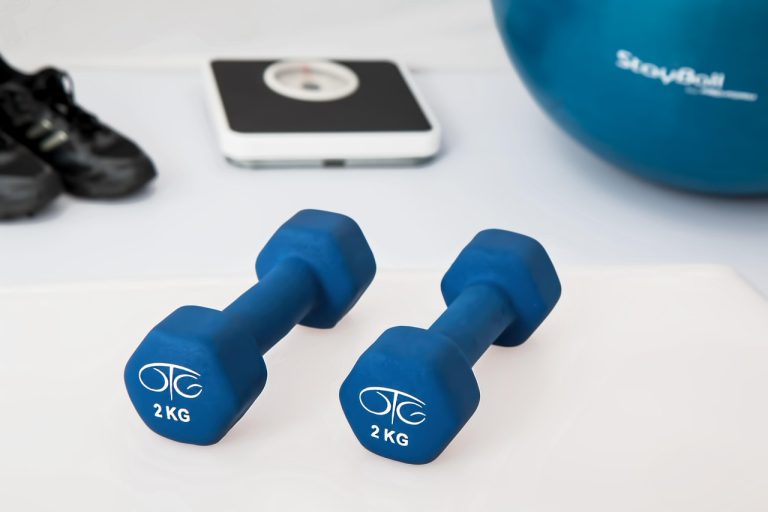
Embarking on a gym routine is a fantastic decision for your overall health and well-being. However, the journey from couch to gym can feel daunting. This guide provides a comprehensive roadmap to help you start and maintain a successful gym routine, maximizing benefits and minimizing potential pitfalls. We’ll cover everything from setting realistic goals to understanding proper form and incorporating rest and recovery. Get ready to transform your fitness journey!
Setting Realistic Goals and Expectations
Starting a gym routine without clear goals is like setting sail without a destination. It’s important to establish what you want to achieve, and ensure those goals are realistic and attainable.
Defining Your Fitness Objectives
- Weight Loss: Aim for a sustainable and healthy rate of 1-2 pounds per week. This is generally achieved through a combination of exercise and a calorie deficit.
- Muscle Gain: Focus on progressive overload, gradually increasing the weight, reps, or sets over time. Expect noticeable progress within 6-8 weeks with consistent effort.
- Improved Cardiovascular Health: Start with moderate-intensity exercises like brisk walking or jogging, gradually increasing the duration and intensity. Aim for at least 150 minutes of moderate-intensity or 75 minutes of vigorous-intensity aerobic activity per week.
- Increased Strength: Concentrate on compound exercises like squats, deadlifts, bench press, and overhead press. Focus on proper form over lifting heavy weights initially.
- Improved Flexibility: Incorporate stretching exercises regularly. Aim for at least 2-3 stretching sessions per week, holding each stretch for 20-30 seconds.
Setting SMART Goals
Utilize the SMART framework to ensure your goals are well-defined:
- Specific: Clearly state what you want to achieve. For example, “I want to lose 10 pounds.”
- Measurable: Quantify your goals so you can track your progress. For example, “I want to be able to run for 30 minutes without stopping.”
- Achievable: Set goals that are challenging but attainable based on your current fitness level.
- Relevant: Ensure your goals align with your overall health and fitness aspirations.
- Time-bound: Set a deadline for achieving your goals. For example, “I want to lose 10 pounds in 10 weeks.”
- Example: Instead of saying “I want to get in shape,” a SMART goal would be “I want to lose 5 pounds and be able to run a 5k in 12 weeks by going to the gym 3 times a week.”
Designing Your Initial Workout Plan
A well-structured workout plan is crucial for maximizing results and preventing injuries. Focus on a balanced approach incorporating different types of exercises.
Cardio vs. Strength Training
- Cardio: Improves cardiovascular health, burns calories, and boosts endurance. Examples include running, cycling, swimming, and elliptical training. Aim for at least 150 minutes of moderate-intensity cardio per week.
- Strength Training: Builds muscle mass, increases strength, and improves bone density. Focus on compound exercises that work multiple muscle groups simultaneously. Examples include squats, deadlifts, bench press, rows, and overhead press. Aim for 2-3 strength training sessions per week, allowing for rest days in between.
Sample Beginner Workout Routine (3 times per week)
This routine is designed for beginners and can be modified based on your fitness level and goals.
- Day 1: Full Body Strength Training
Warm-up: 5 minutes of light cardio (e.g., jogging on the treadmill or jumping jacks).
Squats: 3 sets of 8-12 repetitions.
Push-ups: 3 sets of as many repetitions as possible (AMRAP). If regular push-ups are too difficult, modify them by doing them on your knees.
Dumbbell Rows: 3 sets of 8-12 repetitions per arm.
Overhead Press: 3 sets of 8-12 repetitions.
Plank: 3 sets, holding for 30-60 seconds.
Cool-down: 5 minutes of stretching.
30-45 minutes of moderate-intensity cardio, such as brisk walking, jogging, cycling, or elliptical training.
Allow your body to recover and rebuild muscle tissue.
- Day 4: Full Body Strength Training
Warm-up: 5 minutes of light cardio.
Lunges: 3 sets of 10-12 repetitions per leg.
Bench Press (or Dumbbell Chest Press): 3 sets of 8-12 repetitions.
Deadlifts: 1 set of 5 repetitions, 1 set of 3 repetitions, 1 set of 1 repetition. This is a low-rep, heavier set, so ensure proper form! Consult with a professional if you are unsure.
Pull-ups (or Lat Pulldowns): 3 sets of as many repetitions as possible (AMRAP). Use assisted pull-up machine if needed.
Crunches: 3 sets of 15-20 repetitions.
Cool-down: 5 minutes of stretching.
30-45 minutes of moderate-intensity cardio, such as swimming, hiking, or dancing.
Focus on active recovery, such as light stretching, yoga, or walking.
Importance of Proper Form
Prioritize proper form over lifting heavy weights. Incorrect form can lead to injuries and hinder progress. Consider consulting with a certified personal trainer to learn the correct technique for each exercise. Watch videos and pay attention to your body’s signals. If you feel pain, stop the exercise and consult a professional.
Nutrition and Hydration for Gym-Goers
Exercise is only half the battle. Proper nutrition and hydration are essential for fueling your workouts, recovering effectively, and achieving your fitness goals.
Pre-Workout Nutrition
- Fuel Your Body: Consume a light meal or snack 1-2 hours before your workout to provide energy. Examples include:
Oatmeal with fruit and nuts.
Greek yogurt with berries.
A banana with peanut butter.
A protein shake.
- Avoid Heavy Meals: Avoid consuming large, heavy meals right before your workout, as they can cause digestive discomfort.
Post-Workout Nutrition
- Replenish and Repair: Consume a meal or snack within 30-60 minutes after your workout to replenish glycogen stores and repair muscle tissue. Examples include:
Protein shake with whey protein and carbohydrates.
Chicken breast with brown rice and vegetables.
Tuna salad sandwich on whole-wheat bread.
- Protein is Key: Prioritize protein intake to support muscle recovery and growth.
Hydration Strategies
- Stay Hydrated: Drink plenty of water throughout the day, especially before, during, and after your workouts.
- Electrolytes: Consider consuming electrolytes during or after intense workouts to replenish lost minerals through sweat. Sports drinks or electrolyte tablets are good options.
- Avoid Sugary Drinks: Limit your intake of sugary drinks like soda and juice, as they can hinder your progress.
Tracking Progress and Staying Motivated
Consistency is key to achieving your fitness goals. Tracking your progress and finding ways to stay motivated will help you stick to your routine.
Monitoring Your Fitness Journey
- Weight and Measurements: Track your weight, body measurements (e.g., waist circumference, arm circumference), and body fat percentage regularly (e.g., weekly or bi-weekly).
- Workout Journal: Keep a record of your workouts, including the exercises you performed, the weight you lifted, the number of reps and sets you completed, and how you felt during the workout.
- Progress Photos: Take progress photos regularly to visually track your transformation.
- Fitness Apps and Wearables: Use fitness apps and wearables (e.g., Fitbit, Apple Watch) to track your activity levels, heart rate, sleep patterns, and calorie intake.
Strategies for Staying Motivated
- Find a Workout Buddy: Working out with a friend can provide accountability and make your workouts more enjoyable.
- Join a Fitness Class or Group: Joining a fitness class or group can provide a sense of community and make your workouts more structured and engaging.
- Reward Yourself: Set small, achievable goals and reward yourself when you reach them. Just ensure the reward isn’t detrimental to your overall fitness journey!
- Mix Things Up: Prevent boredom by varying your workouts regularly. Try new exercises, workout routines, or fitness classes.
- Focus on the Benefits: Remind yourself of the many benefits of exercise, such as improved energy levels, better sleep, reduced stress, and increased self-confidence.
Listening to Your Body and Preventing Injuries
Prioritizing your health and well-being is paramount. Listening to your body and taking precautions to prevent injuries will help you stay consistent and avoid setbacks.
Recognizing Signs of Overtraining
- Persistent Fatigue: Feeling tired and sluggish even after adequate rest.
- Muscle Soreness: Experiencing excessive muscle soreness that doesn’t improve with rest.
- Decreased Performance: Noticing a decline in your strength, endurance, or speed.
- Mood Changes: Experiencing irritability, anxiety, or depression.
- Sleep Disturbances: Having difficulty falling asleep or staying asleep.
- Increased Risk of Injury: Becoming more prone to injuries such as sprains, strains, and stress fractures.
Importance of Rest and Recovery
- Prioritize Sleep: Aim for 7-9 hours of quality sleep per night to allow your body to repair and rebuild muscle tissue.
- Active Recovery: Incorporate active recovery activities such as light stretching, yoga, or walking on your rest days to promote blood flow and reduce muscle soreness.
- Foam Rolling: Use a foam roller to massage your muscles and release tension.
- Epsom Salt Baths: Take Epsom salt baths to relax your muscles and reduce inflammation.
Addressing Pain and Discomfort
- Listen to Your Body: Pay attention to any pain or discomfort you experience during your workouts.
- Stop and Modify: If you feel pain, stop the exercise immediately and modify it or choose a different exercise that doesn’t cause pain.
- Seek Professional Help: If the pain persists or worsens, consult with a doctor, physical therapist, or other healthcare professional.
Conclusion
Starting a gym routine is a commitment to your health and well-being. By setting realistic goals, designing a balanced workout plan, prioritizing nutrition and hydration, tracking your progress, staying motivated, and listening to your body, you can create a sustainable and enjoyable fitness journey. Remember to be patient with yourself, celebrate your successes, and don’t be afraid to ask for help when you need it. Your fitness transformation awaits!