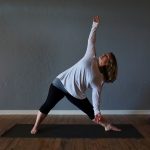
Feeling the burn a little too intensely lately? Maybe your joints are protesting your high-impact routines, or you’re just looking for a gentler way to stay active. Good news! Low-impact workouts are a fantastic way to improve your fitness, build strength, and boost your overall well-being without putting excessive stress on your body. This comprehensive guide will explore everything you need to know about low-impact exercise, from its benefits and types to how to incorporate it into your daily routine.
Understanding Low Impact Workouts
What Exactly are Low Impact Workouts?
Low-impact workouts are exercises that minimize the stress placed on your joints. They typically involve keeping one foot on the ground at all times, reducing the jarring motions associated with high-impact activities like running or jumping. This doesn’t mean they’re easy; they can still provide a challenging and effective workout!
Key Differences Between Low and High Impact
The main difference lies in the force your body absorbs. High-impact exercises, such as running and plyometrics, involve jumping and landing, which puts significant stress on your joints. Low-impact exercises, like swimming and cycling, minimize this impact.
- High Impact: Running, jumping jacks, burpees, plyometrics
- Low Impact: Walking, swimming, cycling, yoga, Pilates, elliptical training
Why Choose Low Impact?
There are many reasons to choose low-impact workouts, whether as your primary form of exercise or as a complement to higher-impact activities.
- Joint Protection: Reduces stress on knees, ankles, and hips.
- Suitable for All Fitness Levels: Can be modified for beginners to advanced athletes.
- Rehabilitation and Recovery: Ideal for those recovering from injuries.
- Improved Cardiovascular Health: Still effectively elevates heart rate.
- Increased Strength and Endurance: Builds muscle and stamina over time.
Benefits of Low Impact Exercise
Physical Benefits
Low-impact workouts offer a wide range of physical benefits, contributing to overall health and fitness.
- Cardiovascular Health: Improves heart function and circulation. Studies show that regular low-impact exercise can significantly reduce the risk of heart disease.
- Muscle Strength and Endurance: Builds and maintains muscle mass, especially in the legs, core, and back.
- Weight Management: Burns calories and helps with weight loss or maintenance.
- Improved Bone Density: While not as impactful as weight-bearing high-impact exercises, low-impact activities can still contribute to bone health.
- Enhanced Flexibility and Balance: Many low-impact exercises, like yoga and Pilates, improve flexibility, balance, and coordination.
Mental and Emotional Benefits
Beyond the physical advantages, low-impact workouts also offer significant mental and emotional benefits.
- Stress Reduction: Exercise releases endorphins, which have mood-boosting effects.
- Improved Sleep Quality: Regular physical activity can promote better sleep patterns.
- Increased Energy Levels: Low-impact workouts can combat fatigue and boost energy throughout the day.
- Mindfulness and Focus: Activities like yoga and Tai Chi encourage mindfulness and improve focus.
- Reduced Anxiety and Depression: Exercise has been shown to be an effective treatment for mild to moderate anxiety and depression.
Suitable for Various Populations
Low-impact workouts are particularly beneficial for specific groups of people:
- Seniors: Gentle on joints and helps maintain mobility and independence.
- Pregnant Women: Safe and effective for maintaining fitness during pregnancy (always consult with your doctor).
- Individuals with Joint Pain or Arthritis: Reduces pain and stiffness while improving mobility.
- People Recovering from Injuries: Provides a safe way to gradually rebuild strength and fitness.
- Beginners: A great starting point for those new to exercise.
Types of Low Impact Workouts
Walking
Walking is one of the simplest and most accessible forms of low-impact exercise. It requires no special equipment and can be done almost anywhere.
- Benefits: Improves cardiovascular health, strengthens legs, burns calories, and boosts mood.
- Tips: Start with short walks and gradually increase the duration and intensity. Incorporate hills for a more challenging workout. Use proper footwear for support and comfort.
- Example: Aim for at least 30 minutes of brisk walking most days of the week.
Swimming
Swimming is a full-body workout that is incredibly gentle on the joints. The buoyancy of water reduces stress on the body, making it ideal for people with joint pain or injuries.
- Benefits: Improves cardiovascular health, strengthens muscles, increases flexibility, and is excellent for rehabilitation.
- Tips: Use proper swimming techniques to avoid strain. Vary your strokes to work different muscle groups. Consider joining a water aerobics class for a structured workout.
- Example: Swim laps for 30-60 minutes several times a week.
Cycling
Cycling, whether outdoors or on a stationary bike, is a great way to improve cardiovascular fitness and strengthen your legs without putting stress on your joints.
- Benefits: Improves cardiovascular health, strengthens legs, burns calories, and is a low-impact alternative to running.
- Tips: Adjust the seat height to ensure proper leg extension. Use gears to vary the intensity of your workout. Consider joining a spin class for motivation and guidance.
- Example: Cycle for 30-60 minutes several times a week, varying your speed and resistance.
Yoga and Pilates
Yoga and Pilates are excellent for improving flexibility, strength, and balance. They focus on controlled movements and core engagement, which can help improve posture and reduce back pain.
- Benefits: Improves flexibility, strength, balance, posture, and core stability. Reduces stress and promotes mindfulness.
- Tips: Start with beginner-level classes and gradually progress to more challenging poses. Focus on proper form to avoid injury. Use props like blocks and straps to modify poses as needed.
- Example: Attend yoga or Pilates classes 2-3 times per week, or practice at home using online videos.
Elliptical Training
The elliptical machine provides a low-impact, full-body workout that mimics the motion of running without the jarring impact.
- Benefits: Improves cardiovascular health, strengthens muscles, burns calories, and is gentle on the joints.
- Tips: Maintain good posture and engage your core muscles. Vary the resistance and incline to challenge yourself. Use the arm handles to work your upper body.
- Example: Use the elliptical for 30-60 minutes several times a week, varying your intensity and resistance.
Tai Chi
Tai Chi is a gentle, flowing exercise that improves balance, coordination, and flexibility. It is often described as “meditation in motion” and is particularly beneficial for seniors.
- Benefits: Improves balance, coordination, flexibility, reduces stress, and promotes relaxation.
- Tips: Learn the basic movements from a qualified instructor. Practice regularly to improve your skills and coordination. Focus on breathing and mindfulness during the exercises.
- Example: Attend Tai Chi classes 1-2 times per week, or practice at home using instructional videos.
Creating Your Low Impact Workout Routine
Assess Your Current Fitness Level
Before starting any new exercise program, it’s important to assess your current fitness level. This will help you choose appropriate exercises and avoid injury. Consider factors such as your current activity level, any existing injuries or health conditions, and your fitness goals.
- Consult Your Doctor: If you have any underlying health conditions or concerns, consult with your doctor before starting a new exercise program.
- Start Slowly: Begin with short, low-intensity workouts and gradually increase the duration and intensity as you get fitter.
- Listen to Your Body: Pay attention to your body and stop if you experience any pain or discomfort.
Sample Weekly Schedule
Here’s a sample weekly schedule incorporating various low-impact activities:
- Monday: 30-minute brisk walk
- Tuesday: 45-minute yoga class
- Wednesday: Rest or light stretching
- Thursday: 30-minute swim
- Friday: 30-minute elliptical workout
- Saturday: 45-minute Pilates class
- Sunday: Active recovery – gentle bike ride or leisurely walk
Important Considerations
- Warm-up and Cool-down: Always warm up before each workout with light cardio and dynamic stretches. Cool down with static stretches to improve flexibility and reduce muscle soreness.
- Proper Form: Focus on maintaining proper form during each exercise to avoid injury. If you’re unsure about proper form, consider working with a qualified fitness instructor.
- Progression: Gradually increase the intensity and duration of your workouts as you get fitter. This could involve increasing the resistance on a stationary bike, adding more challenging yoga poses, or walking for longer periods.
- Listen to Your Body: Pay attention to your body and rest when you need to. Don’t push yourself too hard, especially when you’re first starting out.
Conclusion
Low-impact workouts offer a fantastic way to stay active, improve your fitness, and protect your joints. Whether you’re a seasoned athlete looking for recovery options or a beginner seeking a gentle way to exercise, incorporating low-impact activities into your routine can provide numerous physical and mental benefits. By understanding the principles of low-impact exercise and following the tips outlined in this guide, you can create a safe, effective, and enjoyable workout program that meets your individual needs and goals. Embrace the power of gentle movement and experience the transformative benefits of low-impact workouts!