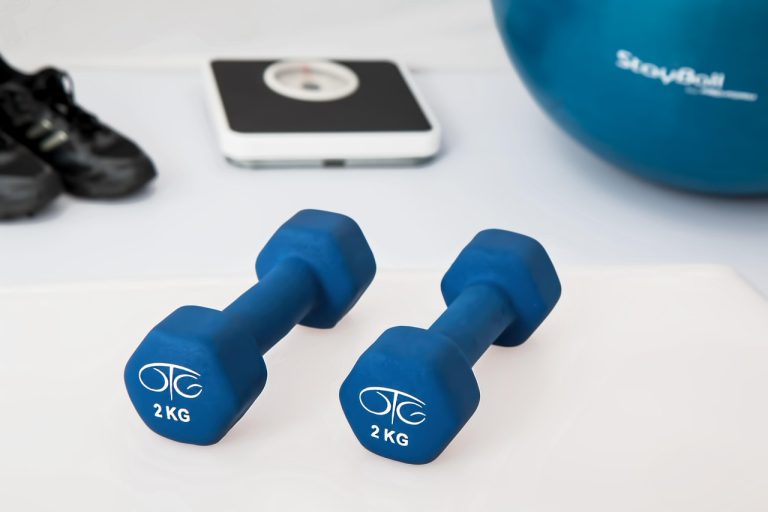
Stepping into the world of fitness can feel overwhelming. Knowing where to start is often the biggest hurdle. This comprehensive guide provides a simple yet effective first-week workout plan designed to kickstart your fitness journey, build a solid foundation, and set you up for long-term success. Forget complicated routines and unrealistic goals; this plan focuses on consistency, proper form, and listening to your body.
Understanding Your Fitness Level
Before diving into any workout routine, it’s crucial to assess your current fitness level. This helps you tailor the plan to your individual needs and avoid injuries.
Assessing Your Baseline
- Self-Assessment: Honestly evaluate your current physical activity level. Are you completely sedentary, moderately active, or already engaged in some form of exercise?
- Basic Movements: Test your ability to perform fundamental movements like squats, push-ups, and planks. Note how many repetitions you can do with good form.
- Listen to Your Body: Pay attention to any pain or discomfort during these assessments. If you experience pain, stop and consult a healthcare professional.
Setting Realistic Goals
- Start Small: Don’t try to do too much too soon. Aim for achievable goals, such as working out three times this week or being able to hold a plank for 30 seconds.
- Focus on Consistency: Building a habit is more important than pushing yourself to the limit in the first week.
- Be Patient: It takes time to see results. Celebrate small victories and don’t get discouraged if you don’t reach your goals immediately. According to a study by the Journal of Sport & Exercise Psychology, consistency is a stronger predictor of long-term exercise adherence than intensity.
The First Week Workout Plan
This plan focuses on full-body workouts that target major muscle groups. Remember to warm up before each workout and cool down afterward.
Workout Schedule
- Monday: Full Body Workout A
- Tuesday: Rest or Active Recovery (e.g., light walking or stretching)
- Wednesday: Full Body Workout B
- Thursday: Rest
- Friday: Full Body Workout A
- Saturday: Rest or Active Recovery
- Sunday: Rest
Full Body Workout A
- Warm-up (5-10 minutes): Light cardio (e.g., jogging in place, jumping jacks) and dynamic stretching (e.g., arm circles, leg swings).
- Exercises:
Squats: 3 sets of 10-12 repetitions. Focus on proper form: feet shoulder-width apart, chest up, and lower yourself as if sitting in a chair. If regular squats are too challenging, try chair squats.
Push-ups: 3 sets of as many repetitions as possible (AMRAP). Start on your knees if needed. Maintain a straight line from head to heels (or knees).
Dumbbell Rows: 3 sets of 10-12 repetitions per arm. Use light weights (2-5 lbs). Bend at the hips, keeping your back straight, and pull the weight towards your chest.
Plank: 3 sets, holding for 30-60 seconds. Engage your core, keeping your body in a straight line.
- Cool-down (5-10 minutes): Static stretching (e.g., hamstring stretch, quad stretch). Hold each stretch for 20-30 seconds.
Full Body Workout B
- Warm-up (5-10 minutes): Similar to Workout A.
- Exercises:
Lunges: 3 sets of 10-12 repetitions per leg. Step forward with one leg, lowering your hips until both knees are bent at a 90-degree angle. Keep your front knee behind your toes.
Dumbbell Shoulder Press: 3 sets of 10-12 repetitions. Use light weights (2-5 lbs). Sit or stand with feet shoulder-width apart and press the weights overhead.
Glute Bridges: 3 sets of 12-15 repetitions. Lie on your back with knees bent and feet flat on the floor. Lift your hips off the ground, squeezing your glutes at the top.
Bird Dog: 3 sets of 10-12 repetitions per side. Start on your hands and knees. Extend one arm forward and the opposite leg backward, keeping your core engaged and back straight.
- Cool-down (5-10 minutes): Similar to Workout A.
The Importance of Nutrition and Hydration
Exercise is only one piece of the puzzle. Proper nutrition and hydration are equally crucial for achieving your fitness goals.
Fueling Your Body
- Balanced Diet: Focus on consuming a balanced diet that includes lean protein, complex carbohydrates, and healthy fats. Examples of good food choices include chicken breast, brown rice, fruits, vegetables, and avocados.
- Pre-Workout Nutrition: Consume a light meal or snack about 1-2 hours before your workout to provide energy. Examples include a banana with peanut butter or a small bowl of oatmeal.
- Post-Workout Nutrition: Replenish your energy stores and aid muscle recovery by consuming protein and carbohydrates within 30-60 minutes after your workout. A protein shake or Greek yogurt with fruit are good options.
Staying Hydrated
- Drink Plenty of Water: Aim to drink at least 8 glasses of water per day, especially on workout days.
- Electrolyte Balance: Consider drinking electrolyte-rich beverages after strenuous workouts to replenish lost minerals.
- Listen to Your Thirst: Drink whenever you feel thirsty.
Monitoring Progress and Making Adjustments
Tracking your progress and making adjustments to your workout plan is essential for continued improvement.
Tracking Your Workouts
- Keep a Journal: Record your workouts, including the exercises you performed, the number of sets and repetitions, and the weights you used. This helps you track your progress and identify areas where you can improve.
- Take Measurements: Take body measurements (e.g., weight, waist circumference) at the beginning of the week and again at the end. This provides a quantifiable measure of your progress.
- Take Pictures: Taking progress pictures can be a motivating way to see how your body is changing.
Adjusting Your Plan
- Increase Intensity: As you get stronger, gradually increase the intensity of your workouts by adding weight, increasing the number of repetitions, or shortening the rest periods.
- Modify Exercises: If an exercise is too challenging, modify it to make it easier. For example, perform push-ups on your knees instead of your toes.
- Listen to Your Body: If you experience pain or discomfort, stop the exercise and consult a healthcare professional. It’s vital to rest and recover when needed.
Conclusion
Embarking on a fitness journey is a marathon, not a sprint. This first-week workout plan is designed to be a gentle introduction, setting you up for long-term success. By focusing on consistency, proper form, and listening to your body, you can build a solid foundation and achieve your fitness goals. Remember to prioritize nutrition, hydration, and rest to maximize your results. This initial week is just the starting point; continue to challenge yourself, track your progress, and celebrate your achievements along the way. Good luck, and enjoy the journey!