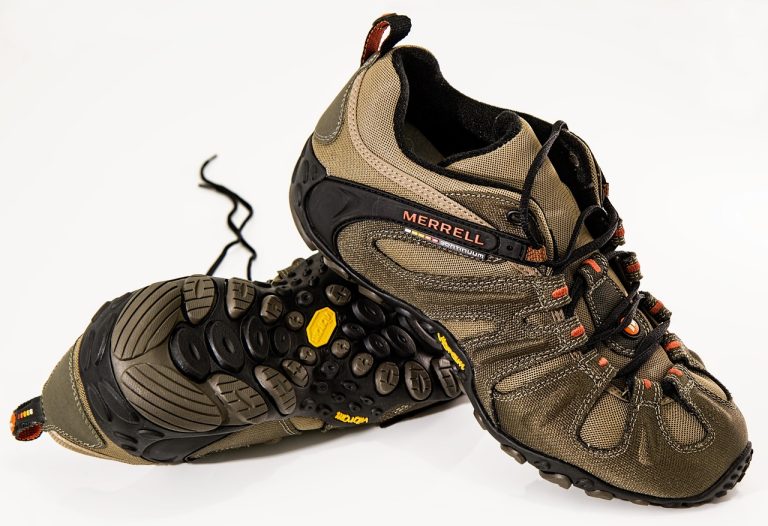
Squeezing a workout into a busy workday might seem impossible, but the truth is, a well-planned lunch break workout can be a game-changer for your physical and mental well-being. It’s a fantastic way to combat the afternoon slump, boost your energy levels, and contribute to your overall fitness goals. This post will explore how to make the most of your lunch hour with effective and practical workout strategies.
Why Choose Lunch Break Workouts?
Time Efficiency
- Fit Fitness into Your Schedule: Lunch break workouts offer a structured way to integrate exercise into your daily routine, even with a demanding schedule. No need to wake up early or hit the gym after a long day.
- Maximizing Limited Time: These workouts are designed to be quick and efficient, allowing you to make the most of your limited break time.
Health Benefits
- Increased Energy Levels: A quick workout can significantly boost your energy levels, helping you stay productive throughout the afternoon. According to a study published in the “Journal of Occupational and Environmental Medicine,” employees who exercised during lunch breaks reported higher levels of energy and focus.
- Improved Mood and Reduced Stress: Exercise releases endorphins, which have mood-boosting effects and can help reduce stress and anxiety. A short burst of physical activity can act as a reset button for your mind.
- Better Physical Health: Regular lunch break workouts contribute to improved cardiovascular health, weight management, and overall fitness. Consistent exercise, even in short bursts, makes a difference.
- Combating Sedentary Behavior: Sitting for prolonged periods is detrimental to health. Lunch break workouts provide a much-needed break from sitting and encourage movement.
Mental Well-being
- Enhanced Focus and Concentration: Exercise improves blood flow to the brain, enhancing cognitive function, focus, and concentration.
- Increased Productivity: By reducing stress and boosting energy, lunch break workouts can lead to increased productivity and efficiency in your work.
- Mental Break: Stepping away from your desk and engaging in physical activity provides a mental break, allowing you to return to work feeling refreshed and rejuvenated.
Planning Your Lunch Break Workout
Assessing Your Resources
- Gym Access: If you have access to a gym nearby or in your workplace, take advantage of it. Having gym equipment readily available makes it easier to incorporate various workout routines.
- Outdoor Spaces: Parks, walking trails, or even the sidewalks around your office can serve as excellent venues for outdoor workouts.
- Office Space: Even without a dedicated gym, you can perform many exercises in your office or a conference room. Bodyweight exercises require minimal space and equipment.
Setting Realistic Goals
- Start Small: Begin with shorter, less intense workouts and gradually increase the duration and intensity as your fitness improves. Don’t try to do too much too soon.
- Focus on Consistency: Aim for consistency rather than perfection. Even a 15-minute workout is better than no workout at all.
- Track Your Progress: Keeping a workout journal or using a fitness tracker can help you monitor your progress and stay motivated.
Example Workout Schedules
5 minutes of cardio (treadmill, elliptical)
20 minutes of strength training (squats, lunges, push-ups, rows)
5 minutes of stretching
- 20-Minute Bodyweight Workout:
5 minutes of warm-up (jumping jacks, high knees)
10 minutes of circuit training (squats, push-ups, lunges, planks)
5 minutes of cool-down (stretching)
5 minutes of brisk walking warm-up
20 minutes of alternating running and walking intervals
* 5 minutes of cool-down walking and stretching
Effective Workout Ideas
Cardio Workouts
- Running or Jogging: A quick run or jog is a great way to get your heart rate up and burn calories.
- Brisk Walking: If running isn’t your thing, a brisk walk can still provide significant cardiovascular benefits.
- Cycling: If you have access to a bike or a stationary bike, cycling is an excellent low-impact cardio option.
- Jumping Rope: A simple yet effective cardio exercise that can be done almost anywhere.
Strength Training
- Bodyweight Exercises: Squats, lunges, push-ups, planks, and crunches are all effective bodyweight exercises that require no equipment.
- Resistance Bands: Resistance bands are portable and versatile, allowing you to perform a wide range of strength training exercises.
- Dumbbells: If you have access to dumbbells, you can incorporate exercises like bicep curls, tricep extensions, and shoulder presses into your workout.
Yoga and Stretching
- Yoga Flows: A quick yoga flow can improve flexibility, balance, and core strength. Look for online videos or apps with short yoga sequences.
- Stretching Routine: Focus on stretching major muscle groups, such as your hamstrings, quads, chest, and back, to improve flexibility and reduce muscle tension.
High-Intensity Interval Training (HIIT)
- Short Bursts of Intense Exercise: HIIT involves alternating between short bursts of intense exercise and brief recovery periods. This type of workout is highly efficient and effective for burning calories and improving cardiovascular fitness. Example: 30 seconds of burpees followed by 30 seconds of rest, repeated 10-15 times.
Overcoming Common Challenges
Time Constraints
- Prioritize and Plan: Schedule your workout in your calendar and treat it like any other important meeting. Plan your workout in advance so you don’t waste time deciding what to do.
- Utilize Every Minute: Even a 15-minute workout can be beneficial. Focus on high-intensity exercises to maximize your results in a short amount of time.
- Minimize Distractions: Turn off notifications on your phone and avoid checking emails during your workout.
Lack of Equipment
- Embrace Bodyweight Exercises: As mentioned earlier, bodyweight exercises are a great option when you don’t have access to equipment.
- Get Creative: Use everyday objects as weights, such as water bottles or canned goods.
Sweating and Hygiene
- Pack a Gym Bag: Keep a gym bag at work with essential items such as a towel, change of clothes, and toiletries.
- Utilize Cooling Towels: Cooling towels can help you stay cool and refreshed after a workout.
- Consider Quick-Drying Clothing: Opt for workout clothes made from moisture-wicking fabrics to minimize sweat and odor.
- Schedule Smartly: Schedule less intense activities for days you have important meetings.
Motivation
- Find a Workout Buddy: Working out with a colleague can help you stay motivated and accountable.
- Set Achievable Goals: Break down your fitness goals into smaller, more manageable steps.
- Reward Yourself: Celebrate your accomplishments, such as reaching a certain number of workouts or achieving a fitness milestone. (Just avoid rewarding yourself with unhealthy snacks!)
- Variety is Key: Keep your workouts interesting by trying new exercises and routines.
Conclusion
Lunch break workouts are a fantastic way to boost your health, energy, and productivity without sacrificing valuable time. By carefully planning your workouts, overcoming common challenges, and staying motivated, you can successfully incorporate exercise into your workday. Start small, be consistent, and enjoy the numerous benefits of a fitter, healthier, and more energized you!