Feeling the squeeze of time? In today’s non-stop world, finding time for fitness can feel like an impossible feat. But what if you could get a full-body workout in just 30 minutes, or even less? That’s the promise of fast-paced fitness, a dynamic approach to exercise that maximizes results in minimal time. This blog post will delve into the world of quick and effective workouts, exploring different types, benefits, and practical tips to help you incorporate fast-paced fitness into your busy schedule.
The Rise of Fast-Paced Fitness
Why Is It So Popular?
The allure of fast-paced fitness lies in its efficiency. People are increasingly time-poor, and lengthy gym sessions are often the first to be sacrificed. This makes quick workouts appealing for several key reasons:
- Time Efficiency: Fits into busy schedules.
- Accessibility: Can often be done at home or with minimal equipment.
- Motivation: Shorter workouts can be less daunting to start and maintain.
- Effectiveness: High-intensity interval training (HIIT) and other techniques can deliver significant results in a short time.
Statistics show a growing trend in shorter workout durations. For example, fitness app usage indicates a preference for 20-30 minute workout routines over longer sessions. This shift reflects a broader cultural move towards optimizing time and prioritizing efficiency.
Different Types of Fast-Paced Fitness
Fast-paced fitness encompasses various workout styles, each with its unique approach:
- HIIT (High-Intensity Interval Training): Alternates between short bursts of intense exercise and brief recovery periods. Example: 30 seconds of burpees followed by 15 seconds of rest, repeated for 20 minutes.
- Tabata: A specific type of HIIT with 20 seconds of intense work followed by 10 seconds of rest for 8 rounds (totaling 4 minutes).
- Circuit Training: Performs a series of exercises in a row with minimal rest between each exercise. Example: Squats, push-ups, lunges, and planks, completed one after the other, then repeated.
- AMRAP (As Many Rounds As Possible): Completing as many rounds of a circuit or exercise combination as possible within a set time.
Benefits of Fast-Paced Fitness
Physical Advantages
Beyond saving time, fast-paced fitness offers numerous physical benefits:
- Improved Cardiovascular Health: HIIT, in particular, can significantly improve heart health and endurance. Studies have shown HIIT to be as effective as traditional endurance training in improving VO2 max.
- Increased Metabolism: High-intensity workouts can boost your metabolism, leading to increased calorie burning even after the workout is complete (the “afterburn effect”).
- Muscle Building and Toning: While not solely focused on muscle growth, fast-paced fitness can help build lean muscle mass, especially when combined with resistance exercises.
- Weight Loss: By burning a significant number of calories in a short period and boosting metabolism, fast-paced fitness aids in weight loss.
Mental and Emotional Wellbeing
The advantages extend beyond the physical:
- Stress Reduction: Exercise, in general, is a great stress reliever, and short bursts of intense activity can be particularly effective at releasing endorphins.
- Improved Mood: Exercise can help combat feelings of anxiety and depression.
- Increased Energy Levels: Regular fast-paced workouts can boost energy levels throughout the day.
- Enhanced Focus and Concentration: Exercise has been shown to improve cognitive function and focus.
Designing Your Own Fast-Paced Workout
Essential Considerations
Before diving in, keep these points in mind:
- Assess Your Fitness Level: Start slowly and gradually increase the intensity and duration of your workouts. Listen to your body and don’t push yourself too hard, especially when starting.
- Warm-Up and Cool-Down: Always include a proper warm-up (5-10 minutes of light cardio and dynamic stretching) before your workout and a cool-down (5-10 minutes of static stretching) afterward.
- Proper Form: Focus on maintaining correct form throughout each exercise to prevent injuries. Watch videos and practice in front of a mirror if needed.
- Variety is Key: Mix up your workouts to avoid plateaus and keep things interesting. Try different types of exercises and workout formats.
Sample Workout Structures
Here are a few examples of fast-paced workout routines:
1. Jumping Jacks (30 seconds)
2. Rest (15 seconds)
3. Squats (30 seconds)
4. Rest (15 seconds)
5. Push-ups (30 seconds)
6. Rest (15 seconds)
7. Lunges (30 seconds per leg)
8. Rest (15 seconds)
9. Plank (30 seconds)
10. Rest (15 seconds)
Repeat 3 times.
- 30-Minute Circuit Training Workout:
1. Burpees (1 minute)
2. Mountain Climbers (1 minute)
3. Bicycle Crunches (1 minute)
4. Walking Lunges (1 minute)
5. Tricep Dips (1 minute)
Rest (1 minute)
Repeat 5 times.
- Tabata Workout (Focus on Full Body):
1. Squat Jumps (20 seconds)
2. Rest (10 seconds)
3. Push-ups (20 seconds)
4. Rest (10 seconds)
5. Burpees (20 seconds)
6. Rest (10 seconds)
7. Mountain Climbers (20 seconds)
8. Rest (10 seconds)
Repeat twice.
Tools and Resources for Fast-Paced Fitness
Apps and Online Platforms
Numerous apps and online platforms offer guided fast-paced workouts:
- Nike Training Club: Offers a variety of HIIT and circuit training workouts with different difficulty levels.
- Peloton: Provides high-intensity interval training (HIIT) and strength training classes, both live and on-demand.
- Fitbit Coach: Offers personalized workout plans based on your fitness level and goals.
- YouTube: Many fitness professionals and channels offer free fast-paced workout videos.
Equipment Considerations
While many fast-paced workouts can be done with no equipment, certain items can enhance your workouts:
- Jump Rope: A great tool for cardio and coordination.
- Resistance Bands: Add resistance to exercises for increased muscle activation.
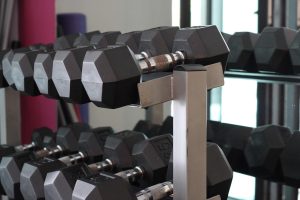
- Dumbbells or Kettlebells: Increase the intensity of strength training exercises.
- Yoga Mat: Provides cushioning and support during floor exercises.
- Timer: Essential for accurately timing intervals.
Maintaining Consistency and Avoiding Burnout
Tips for Staying Motivated
Consistency is key to seeing results with any fitness program. Here are some tips to help you stay motivated:
- Set Realistic Goals: Start small and gradually increase the intensity and duration of your workouts.
- Find a Workout Buddy: Exercising with a friend or family member can help you stay accountable.
- Schedule Your Workouts: Treat your workouts like important appointments and schedule them in your calendar.
- Reward Yourself: Celebrate your progress and milestones with non-food rewards.
- Track Your Progress: Monitor your workouts and track your results to stay motivated and see how far you’ve come.
Preventing Over-Training
It’s crucial to avoid overtraining, especially with high-intensity workouts:
- Listen to Your Body: Pay attention to your body and rest when you need to. Don’t push yourself too hard, especially when feeling tired or sore.
- Incorporate Rest Days: Schedule rest days into your workout routine to allow your body to recover.
- Proper Nutrition: Fuel your body with a healthy diet to support your workouts and recovery.
- Adequate Sleep: Aim for 7-9 hours of sleep per night to allow your body to repair and rebuild muscle tissue.
Conclusion
Fast-paced fitness is a powerful tool for achieving your health and fitness goals in a time-efficient manner. By understanding the different types of workouts, their benefits, and how to design your own routines, you can effectively incorporate fast-paced fitness into your busy lifestyle. Remember to start slowly, focus on proper form, and listen to your body to avoid injuries and maintain consistency. Embrace the efficiency and effectiveness of fast-paced fitness and unlock a healthier, more energetic you!