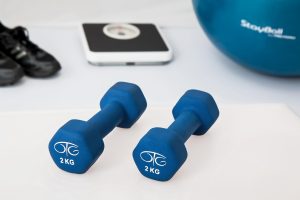
Want to supercharge your fitness journey and feel more energized than ever before? Focusing on strategies to support a faster metabolism can be a game-changer. This isn’t just about burning calories faster; it’s about optimizing your body’s ability to function efficiently, leading to improved energy levels, better weight management, and overall well-being. Let’s dive into the world of fast metabolism training and discover how you can unlock your body’s potential.
Understanding Metabolism and Its Role in Fitness
What is Metabolism?
Metabolism is the sum of all chemical processes that occur in your body to sustain life. It converts the food and drinks you consume into energy. This energy is then used for various functions like breathing, moving, thinking, and growing.
- Basal Metabolic Rate (BMR): This is the number of calories your body needs to perform basic functions at rest. It accounts for a large percentage of your daily calorie expenditure.
- Factors Affecting Metabolism: Several factors influence your metabolism, including age, gender, genetics, muscle mass, and activity level.
The Link Between Metabolism and Fitness
A faster metabolism can significantly impact your fitness journey in several ways:
- Increased Calorie Burning: A higher metabolic rate means you burn more calories, even at rest.
- Improved Weight Management: This can lead to easier weight loss or maintenance.
- Enhanced Energy Levels: Efficient energy production translates to sustained energy throughout the day.
- Better Nutrient Utilization: Your body becomes more efficient at processing and utilizing the nutrients you consume.
The Core Principles of Fast Metabolism Training
Resistance Training: Building Muscle Mass
Resistance training, such as weightlifting or bodyweight exercises, is crucial for boosting your metabolism.
- Muscle Mass and Metabolism: Muscle tissue burns more calories at rest than fat tissue. By increasing your muscle mass, you naturally elevate your BMR. A study published in the “American Journal of Clinical Nutrition” showed that for every pound of muscle gained, your body burns approximately 6 calories more per day at rest.
- Effective Exercises: Focus on compound exercises that work multiple muscle groups simultaneously. Examples include squats, deadlifts, bench press, overhead press, and rows.
- Training Frequency and Intensity: Aim for at least 2-3 resistance training sessions per week, targeting all major muscle groups. Gradually increase the weight or resistance to challenge your muscles and promote growth.
High-Intensity Interval Training (HIIT)
HIIT involves short bursts of intense exercise followed by brief recovery periods.
- Metabolic Boost: HIIT workouts have been shown to significantly increase your metabolism for hours after the workout, a phenomenon known as the “afterburn effect” or Excess Post-exercise Oxygen Consumption (EPOC).
- Example HIIT Workout:
1. Warm-up (5 minutes)
2. Sprint for 30 seconds at maximum effort
3. Walk or jog slowly for 60 seconds
4. Repeat steps 2 and 3 for 15-20 minutes
5. Cool-down (5 minutes)
- Benefits: HIIT not only boosts metabolism but also improves cardiovascular health and insulin sensitivity.
Nutrition Strategies for a Faster Metabolism
Prioritize Protein Intake
Protein is essential for building and repairing muscle tissue.
- Thermic Effect of Food (TEF): Protein has a higher TEF compared to carbohydrates and fats, meaning your body burns more calories digesting it.
- Recommended Intake: Aim for approximately 0.8-1 gram of protein per pound of body weight, especially if you’re actively training.
- Good Protein Sources: Include lean meats, poultry, fish, eggs, dairy products, legumes, and plant-based protein powders in your diet.
Incorporate Metabolism-Boosting Foods
Certain foods can naturally support a faster metabolism.
- Spicy Foods: Capsaicin, the compound found in chili peppers, can temporarily increase your metabolism.
- Green Tea: Green tea contains caffeine and antioxidants that may help boost metabolism and promote fat burning.
- Foods Rich in Iodine: Iodine is crucial for thyroid function, which plays a significant role in regulating metabolism. Include foods like seaweed, cod, and dairy products.
- Whole Grains: Opt for complex carbohydrates like whole grains over refined carbs. They take longer to digest, promoting a steadier release of energy.
Hydration is Key
Water is essential for all bodily functions, including metabolism.
- Dehydration and Metabolism: Dehydration can slow down your metabolism.
- Recommended Intake: Aim to drink at least 8 glasses of water per day, and more if you’re active.
- Tips: Carry a water bottle with you throughout the day and drink water before, during, and after workouts.
Lifestyle Factors Influencing Metabolism
Prioritize Sleep
Getting enough sleep is crucial for regulating hormones that control metabolism.
- Sleep Deprivation: Lack of sleep can disrupt hormone levels, leading to decreased metabolism and increased cravings for unhealthy foods.
- Recommended Sleep: Aim for 7-9 hours of quality sleep per night.
- Tips for Better Sleep: Establish a consistent sleep schedule, create a relaxing bedtime routine, and ensure your bedroom is dark, quiet, and cool.
Manage Stress
Chronic stress can negatively impact your metabolism.
- Cortisol and Metabolism: High levels of cortisol, the stress hormone, can lead to decreased metabolism and increased fat storage, particularly around the abdomen.
- Stress Management Techniques: Practice stress-reducing activities like yoga, meditation, deep breathing exercises, or spending time in nature.
- Mindfulness: Incorporate mindfulness practices into your daily routine to help manage stress and improve overall well-being.
Consistent Physical Activity
Aside from structured workouts, incorporate more movement into your daily life.
- NEAT (Non-Exercise Activity Thermogenesis): This refers to the calories you burn through activities that are not structured exercise, such as walking, standing, fidgeting, and doing household chores.
- Tips: Take the stairs instead of the elevator, walk or bike to work, stand while working at a desk, and take short breaks to stretch and move around.
Conclusion
Boosting your metabolism through a combination of targeted training, strategic nutrition, and healthy lifestyle habits is a powerful approach to achieving your fitness goals. Remember that consistency is key. By incorporating these principles into your routine, you can unlock your body’s potential, increase your energy levels, and optimize your overall well-being. Focus on building muscle, prioritizing protein intake, managing stress, and getting adequate sleep to create a sustainable and effective plan for a faster metabolism. Don’t expect overnight results; be patient, stay consistent, and enjoy the journey.