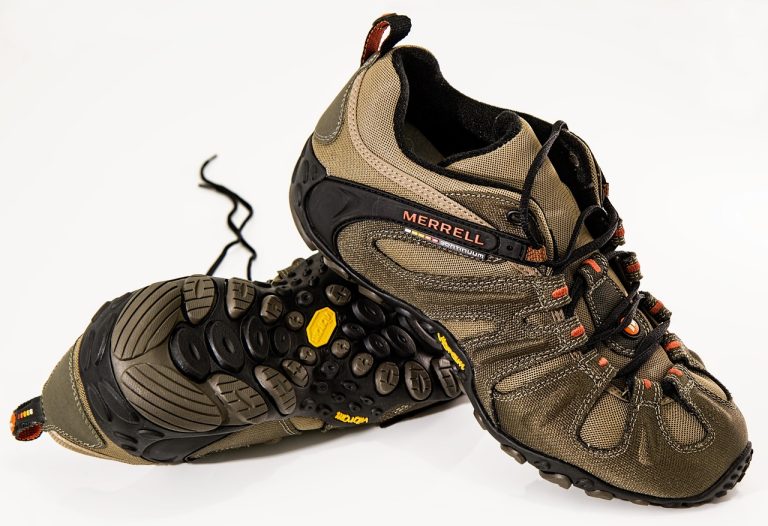
Fast-paced fitness is more than just a trend; it’s a lifestyle embraced by those seeking to maximize their workout efficiency and achieve results in minimal time. In today’s bustling world, finding time for fitness can be a challenge, but with the right strategies, you can integrate effective workouts into your daily routine. This blog post delves into the world of fast-paced fitness, exploring its benefits, methods, and how to incorporate it into your life, helping you unlock your fitness potential without sacrificing valuable time.
Understanding Fast-Paced Fitness
What is Fast-Paced Fitness?
Fast-paced fitness encompasses workout styles that prioritize intensity and efficiency. It focuses on achieving maximum results in shorter periods by employing techniques like High-Intensity Interval Training (HIIT), circuit training, and other time-efficient methods. The core principle is to elevate your heart rate and challenge your muscles within a compressed timeframe.
Shorter workout durations (typically 20-45 minutes).
High-intensity exercises with minimal rest periods.
Focus on compound movements engaging multiple muscle groups.
Adaptability to various fitness levels.
Benefits of Fast-Paced Fitness
The appeal of fast-paced fitness lies in its numerous benefits, making it an attractive option for busy individuals.
- Time Efficiency: The most significant advantage is the ability to achieve significant fitness gains in a shorter amount of time. This is crucial for individuals with packed schedules.
- Improved Cardiovascular Health: HIIT workouts, a staple of fast-paced fitness, have been shown to significantly improve cardiovascular health and endurance. Studies show HIIT can be just as effective, if not more so, than longer endurance training for improving VO2 max.
- Increased Calorie Burn: High-intensity exercises boost metabolism and lead to a higher calorie burn, both during and after the workout (the “afterburn effect”).
- Enhanced Muscle Strength and Endurance: Engaging in compound exercises and resistance training builds strength and endurance effectively.
- Increased Mental Toughness: Pushing through challenging intervals builds mental resilience and improves overall focus.
Popular Fast-Paced Fitness Methods
High-Intensity Interval Training (HIIT)
HIIT involves short bursts of intense exercise followed by brief recovery periods. This method is highly effective for burning calories and improving cardiovascular fitness.
- Example: Sprint for 30 seconds, followed by 30 seconds of walking. Repeat for 15-20 minutes. This can be done with running, cycling, swimming, or even bodyweight exercises.
- Variations: Tabata (20 seconds on, 10 seconds off), Pyramid Intervals (gradually increasing and then decreasing intensity).
Significant calorie burn in a short time.
Improved insulin sensitivity.
Enhanced cardiovascular fitness.
Circuit Training
Circuit training involves performing a series of exercises in a sequence with minimal rest between each exercise. After completing one circuit, you take a short break before starting the next one.
- Example: Perform 10 repetitions of squats, push-ups, lunges, and plank. Rest for 1 minute and repeat the circuit 3-4 times.
Full-body workout engaging multiple muscle groups.
Improved muscular endurance.
Effective for burning calories and building strength.
CrossFit-Inspired Workouts
CrossFit combines elements of weightlifting, gymnastics, and cardiovascular exercises into varied and challenging workouts. While a full CrossFit class might be longer, you can adapt elements for a fast-paced routine.
- Example: A “Workout of the Day” (WOD) might include 3 rounds for time of: 20 wall balls, 15 pull-ups, 10 burpees.
Develops overall fitness and strength.
Improves coordination and agility.
* Highly challenging and engaging.
Creating Your Fast-Paced Fitness Routine
Assess Your Fitness Level
Before starting any new fitness routine, it’s essential to assess your current fitness level and any underlying health conditions. Consult with a healthcare professional or certified trainer to determine the best approach for you.
- Beginner: Start with shorter intervals and longer recovery periods. Focus on mastering proper form before increasing intensity.
- Intermediate: Gradually increase the intensity and duration of your workouts. Experiment with different HIIT and circuit training variations.
- Advanced: Challenge yourself with more complex exercises and shorter rest periods. Incorporate advanced techniques like plyometrics and Olympic lifting.
Sample Weekly Schedule
Here’s a sample weekly schedule to incorporate fast-paced fitness into your routine:
- Monday: HIIT Cardio (30 minutes) – Example: Running sprints or cycling intervals.
- Tuesday: Strength Training Circuit (40 minutes) – Example: Squats, push-ups, lunges, rows, planks.
- Wednesday: Active Recovery – Example: Yoga or light stretching.
- Thursday: HIIT Cardio (30 minutes) – Example: Jump rope intervals or burpee variations.
- Friday: Strength Training Circuit (40 minutes) – Example: Deadlifts, overhead press, pull-ups, dips.
- Saturday: Optional Longer Activity – Hiking, swimming, or other enjoyable activity.
- Sunday: Rest.
Essential Equipment
While many fast-paced workouts can be done with minimal equipment, having a few key items can enhance your training.
- Jump Rope: Excellent for cardiovascular training and coordination.
- Resistance Bands: Versatile for strength training and stretching.
- Dumbbells or Kettlebells: Useful for adding resistance to strength exercises.
- Timer or Interval App: Essential for tracking intervals and rest periods.
Maximizing Your Results
Proper Nutrition
Nutrition plays a crucial role in maximizing your results from fast-paced fitness. Focus on a balanced diet with adequate protein, carbohydrates, and healthy fats.
- Protein: Essential for muscle repair and growth. Aim for 0.8-1 gram of protein per pound of body weight.
- Carbohydrates: Provide energy for your workouts. Choose complex carbohydrates like whole grains, fruits, and vegetables.
- Healthy Fats: Support hormone production and overall health. Include sources like avocados, nuts, and olive oil.
- Hydration: Drink plenty of water throughout the day, especially before, during, and after your workouts.
Recovery and Rest
Adequate recovery is essential for preventing injuries and maximizing your progress.
- Sleep: Aim for 7-9 hours of quality sleep each night.
- Active Recovery: Incorporate light activities like yoga or stretching to improve blood flow and reduce muscle soreness.
- Proper Stretching: Stretch after your workouts to improve flexibility and reduce the risk of injury.
- Listen to Your Body: If you experience pain, stop the exercise and rest. Don’t push yourself too hard, especially when starting.
Staying Motivated
Maintaining consistency is key to achieving your fitness goals. Find ways to stay motivated and make exercise a sustainable part of your lifestyle.
- Set Realistic Goals: Start with small, achievable goals and gradually increase the challenge.
- Find a Workout Buddy: Exercising with a friend can provide motivation and accountability.
- Track Your Progress: Monitor your workouts and track your improvements to stay motivated.
- Reward Yourself: Celebrate your achievements with non-food rewards.
- Mix It Up: Vary your workouts to prevent boredom and keep your body challenged.
Conclusion
Fast-paced fitness offers a powerful way to achieve your fitness goals without sacrificing valuable time. By understanding the principles of HIIT, circuit training, and other efficient methods, you can create a workout routine that fits your lifestyle and delivers significant results. Remember to assess your fitness level, prioritize proper nutrition and recovery, and stay motivated to make fast-paced fitness a sustainable part of your life. Embrace the challenge, push your limits, and unlock your full fitness potential.