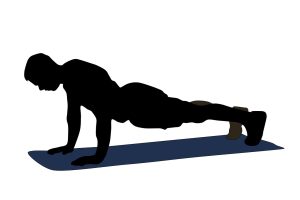
Plank exercises, seemingly simple yet incredibly powerful, have become a cornerstone of core strength and overall fitness. From beginners just starting their fitness journey to seasoned athletes, planks offer a versatile and effective way to build stability, improve posture, and enhance athletic performance. This blog post will delve into the world of plank workouts, exploring their benefits, proper form, variations, and how to incorporate them into your routine for optimal results.
The Undeniable Benefits of Plank Workouts
Planks are more than just a static exercise; they are a full-body engagement that offers a plethora of benefits. Beyond just sculpting a six-pack, planks contribute to a stronger, more resilient body.
Core Strength and Stability
The primary benefit of planks is the development of core strength and stability. By engaging multiple core muscles simultaneously, planks help to:
- Improve posture and balance.
- Reduce the risk of back pain.
- Enhance athletic performance by providing a solid foundation for movement.
- Protect the spine from injury during exercise and daily activities.
Unlike crunches, which primarily target the rectus abdominis (the “six-pack” muscle), planks engage a wider range of core muscles, including the transverse abdominis (deep core muscle), obliques (side abdominal muscles), and erector spinae (back muscles).
Full-Body Engagement
While planks are often associated with core strength, they also engage other muscle groups, making them a comprehensive exercise:
- Shoulders: Planks strengthen the shoulder muscles, providing stability and improving posture.
- Arms: The arms, particularly the triceps, are engaged to support the body’s weight.
- Glutes: Consciously squeezing the glutes during a plank helps stabilize the pelvis and lower back.
- Legs: The leg muscles, especially the quadriceps and hamstrings, work to maintain a straight line from head to heels.
This full-body engagement contributes to overall strength and stability, making planks an effective exercise for improving functional fitness.
Improved Posture and Reduced Back Pain
Weak core muscles can lead to poor posture and an increased risk of back pain. Planks help to counteract these issues by:
- Strengthening the core muscles that support the spine.
- Promoting proper alignment of the spine.
- Reducing strain on the back muscles.
According to a study published in the Journal of Strength and Conditioning Research, core strengthening exercises like planks can significantly reduce chronic low back pain.
Mastering the Perfect Plank Form
Proper form is crucial for maximizing the benefits of plank workouts and preventing injuries. Focus on precision rather than duration, especially when starting out.
The Basic Plank Technique
The basic plank, also known as the forearm plank, is the foundation for all plank variations. Follow these steps to achieve proper form:
Start in a prone position (face down) with your forearms on the floor, elbows directly under your shoulders.
Engage your core and lift your hips off the floor, creating a straight line from your head to your heels.
Keep your head and neck in a neutral position, looking down at the floor.
Squeeze your glutes and quads to further stabilize your body.
Hold the position for the desired duration, maintaining proper form.
Common Mistakes to Avoid:
- Sagging Hips: Letting the hips drop towards the floor can put excessive strain on the lower back.
- Arched Back: Rounding the upper back can lead to shoulder and neck pain.
- Elevated Hips: Raising the hips too high reduces core engagement and makes the exercise less effective.
- Holding Your Breath: Remember to breathe deeply and consistently throughout the exercise.
Progressing Your Plank Holds
As you get stronger, gradually increase the duration of your plank holds. Start with 30 seconds and work your way up to 60 seconds or more.
- Beginner: 3 sets of 30-second holds.
- Intermediate: 3 sets of 45-second holds.
- Advanced: 3 sets of 60-second or longer holds.
You can also add variations to increase the challenge and target different muscle groups.
Plank Variations to Challenge Your Core
Once you’ve mastered the basic plank, explore these variations to keep your workouts engaging and effective.
Forearm Plank Variations
- Side Plank: Lie on your side with your forearm on the floor, elbow directly under your shoulder. Lift your hips off the floor, creating a straight line from your head to your feet. Engage your obliques to maintain the position. Hold for the desired duration, then switch sides.
- Plank with Leg Lift: Perform a basic plank, then lift one leg off the floor a few inches. Hold for a few seconds, then lower the leg and repeat with the other leg. This variation increases the challenge to your core and glutes.
- Plank with Arm Lift: Perform a basic plank, then lift one arm off the floor and extend it forward. Hold for a few seconds, then lower the arm and repeat with the other arm. This variation challenges your balance and stability.
- Plank Jacks: From a forearm plank position, jump your feet out to the sides, then jump them back in. This variation adds a cardio element to your plank workout.
High Plank Variations (Hands on the Floor)
- High Plank: Start in a push-up position with your hands directly under your shoulders. Engage your core and maintain a straight line from your head to your heels.
- High Plank with Shoulder Taps: From a high plank position, lift one hand off the floor and tap your opposite shoulder. Repeat with the other hand. This variation challenges your balance and coordination.
- High Plank with Knee to Elbow: From a high plank position, bring one knee towards your elbow on the same side. Repeat with the other knee. This variation engages your obliques and improves core stability.
- Mountain Climbers: From a high plank position, alternate bringing your knees towards your chest in a running motion. This is a dynamic exercise that builds core strength and endurance.
Incorporating Planks into Your Fitness Routine
Planks can be easily incorporated into any fitness routine, whether you’re a beginner or an experienced athlete.
As a Warm-up or Cool-down
Planks can be used as a warm-up to activate your core muscles before more intense exercises, or as a cool-down to promote recovery and improve posture.
- Warm-up: Perform 2-3 sets of 30-second basic planks to prepare your core for the workout ahead.
- Cool-down: Hold a basic plank for 60 seconds at the end of your workout to improve posture and promote recovery.
As Part of a Core Workout
Create a dedicated core workout that includes a variety of plank variations to target different muscle groups and challenge your core.
1. Basic Plank: 3 sets of 45-second holds.
2. Side Plank: 3 sets of 30-second holds per side.
3. Plank with Leg Lift: 3 sets of 10 repetitions per leg.
4. Mountain Climbers: 3 sets of 30 seconds.
Combining Planks with Other Exercises
Integrate planks into your existing workouts by adding them between sets of other exercises. This will keep your core engaged throughout your workout and improve overall stability.
- Example: After completing a set of squats, perform a 30-second plank before moving on to the next set.
Conclusion
Plank workouts offer a simple yet effective way to build core strength, improve posture, and enhance overall fitness. By mastering the proper form and incorporating variations, you can challenge your core and achieve significant results. Whether you’re a beginner or an experienced athlete, planks can be a valuable addition to your fitness routine. Start slowly, focus on form, and gradually increase the duration and difficulty as you get stronger. Consistency is key to reaping the full benefits of plank workouts and achieving a stronger, more resilient body.