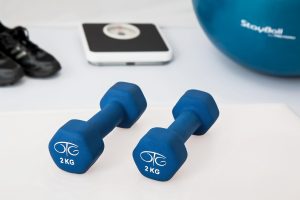
Squeezing in a workout can feel impossible when life gets hectic. But what if you could achieve significant fitness results with a compact, efficient routine? This blog post will guide you through creating and implementing a workout plan that fits even the tightest schedules, maximizing your time and effort for optimal fitness benefits. We’ll cover everything from warm-up essentials to exercise selection and cool-down strategies, empowering you to build a healthier, fitter you, one short workout at a time.
Understanding the Power of Compact Workouts
Why Choose a Compact Workout Routine?
Compact workout routines, also known as short workouts, offer a plethora of benefits for individuals struggling to find the time for longer gym sessions. They are designed to maximize efficiency and effectiveness within a limited timeframe.
- Time Efficiency: This is the most obvious benefit. Short workouts are perfect for busy individuals with packed schedules. Instead of committing to an hour or more, you can get a full-body workout in as little as 20-30 minutes.
- Improved Consistency: When workouts are shorter, they become more manageable and easier to stick to in the long run. Consistent, shorter workouts are more effective than sporadic, longer sessions.
- Reduced Risk of Overtraining: Overtraining can lead to fatigue, injury, and decreased performance. Compact workouts allow you to challenge your body without pushing it to its limits.
- Increased Motivation: The shorter duration of compact workouts can make them less daunting and more appealing, boosting your motivation to exercise regularly. According to a study published in the Journal of Sport & Exercise Psychology, even short bursts of exercise can significantly improve mood and motivation.
- Versatility: Compact workouts can be performed anywhere, anytime. Whether you’re at home, in a hotel room, or at the office, you can easily squeeze in a quick workout using bodyweight exercises or minimal equipment.
Key Principles of Effective Compact Workouts
To ensure your compact workout routine delivers results, keep these principles in mind:
- High-Intensity Interval Training (HIIT): Incorporate HIIT principles to maximize calorie burn and improve cardiovascular fitness in a short amount of time. HIIT involves alternating between short bursts of intense exercise and brief recovery periods.
- Compound Exercises: Focus on compound exercises that work multiple muscle groups simultaneously, such as squats, push-ups, lunges, and rows.
- Proper Form: Maintaining proper form is crucial to prevent injuries and ensure you’re targeting the right muscles.
- Progressive Overload: Gradually increase the intensity, duration, or frequency of your workouts to continuously challenge your body and promote muscle growth.
- Rest and Recovery: Allow your body adequate rest and recovery between workouts to prevent overtraining and facilitate muscle repair.
Designing Your Compact Workout Routine
Choosing the Right Exercises
Selecting the right exercises is crucial for creating an effective and efficient compact workout routine. Prioritize compound exercises that engage multiple muscle groups simultaneously.
- Bodyweight Exercises: Bodyweight exercises are a fantastic option for compact workouts because they require no equipment and can be performed anywhere.
Squats: Targets quads, glutes, and hamstrings.
Push-ups: Works chest, shoulders, and triceps.
Lunges: Engages quads, glutes, and hamstrings.
Plank: Strengthens core muscles.
Burpees: A full-body exercise that combines squats, push-ups, and jumps for a high-intensity workout.
- Dumbbell Exercises: Dumbbells add resistance and can be used to target specific muscle groups.
Dumbbell Rows: Works back and biceps.
Dumbbell Bench Press: Targets chest, shoulders, and triceps.
Dumbbell Shoulder Press: Strengthens shoulders and triceps.
Dumbbell Lunges: Adds intensity to lunges, working quads, glutes, and hamstrings.
- Resistance Band Exercises: Resistance bands are lightweight, portable, and versatile, making them ideal for compact workouts.
Resistance Band Squats: Enhances squats by adding resistance to quads and glutes.
Resistance Band Bicep Curls: Works biceps with controlled resistance.
Resistance Band Lateral Walks: Strengthens gluteus medius.
Sample Compact Workout Routines
Here are a few sample compact workout routines that you can customize to fit your fitness level and goals:
- Routine 1: Full Body Blitz (20 minutes)
Warm-up (5 minutes): Jumping jacks, arm circles, leg swings.
Squats (3 sets of 10-12 reps)
Push-ups (3 sets of as many reps as possible)
Lunges (3 sets of 10-12 reps per leg)
Plank (3 sets, holding for 30-60 seconds)
Cool-down (5 minutes): Stretching major muscle groups.
- Routine 2: Upper Body Blast (25 minutes)
Warm-up (5 minutes): Arm circles, shoulder rotations.
Dumbbell Bench Press (3 sets of 8-10 reps)
Dumbbell Rows (3 sets of 8-10 reps per arm)
Dumbbell Shoulder Press (3 sets of 8-10 reps)
Bicep Curls (3 sets of 10-12 reps)
Cool-down (5 minutes): Stretching chest, back, and arms.
- Routine 3: Lower Body Power (25 minutes)
Warm-up (5 minutes): Leg swings, hip circles.
Squats (3 sets of 12-15 reps)
Lunges (3 sets of 12-15 reps per leg)
Glute Bridges (3 sets of 15-20 reps)
Calf Raises (3 sets of 15-20 reps)
Cool-down (5 minutes): Stretching quads, hamstrings, and calves.
Maximizing Your Workout Efficiency
Warm-Up Essentials
A proper warm-up prepares your body for exercise by increasing blood flow, raising muscle temperature, and improving flexibility. This reduces the risk of injury and enhances performance.
- Cardio: Include 3-5 minutes of light cardio, such as jogging in place, jumping jacks, or cycling, to elevate your heart rate and warm up your muscles.
- Dynamic Stretching: Perform dynamic stretches that mimic the movements you’ll be doing during your workout. Examples include arm circles, leg swings, torso twists, and hip circles.
- Joint Mobilization: Focus on mobilizing your joints by performing controlled movements like ankle rotations, wrist rotations, and shoulder rotations.
Cool-Down Strategies
A cool-down helps your body gradually return to a resting state, preventing muscle soreness and promoting recovery.
- Light Cardio: Engage in 3-5 minutes of light cardio, such as walking or cycling, to gradually lower your heart rate.
- Static Stretching: Hold each stretch for 20-30 seconds, focusing on major muscle groups worked during your workout. Examples include hamstring stretches, quad stretches, calf stretches, chest stretches, and tricep stretches.
- Foam Rolling: Use a foam roller to massage your muscles, release tension, and improve flexibility.
Integrating HIIT for Enhanced Results
High-Intensity Interval Training (HIIT) is a powerful technique for maximizing calorie burn and improving cardiovascular fitness in a short amount of time.
- HIIT Principles: HIIT involves alternating between short bursts of intense exercise and brief recovery periods. For example, you could sprint for 30 seconds followed by 30 seconds of walking or jogging.
- Sample HIIT Exercises: Incorporate exercises like burpees, mountain climbers, jump squats, and high knees into your HIIT routine.
- HIIT Workout Structure: Aim for a 1:1 or 2:1 work-to-rest ratio. For example, you could perform 30 seconds of intense exercise followed by 30 seconds of rest or 40 seconds of work followed by 20 seconds of rest.
Tracking Progress and Staying Motivated
Monitoring Your Results
Tracking your progress is essential for staying motivated and ensuring your compact workout routine is effective.
- Workout Journal: Keep a workout journal to record your exercises, sets, reps, and weights. This will help you track your progress and identify areas where you need to improve.
- Body Measurements: Take regular body measurements, such as your weight, waist circumference, and body fat percentage, to monitor your progress.
- Progress Photos: Take progress photos every few weeks to visually track your changes.
Setting Realistic Goals
Setting realistic goals is crucial for staying motivated and achieving your fitness objectives.
- SMART Goals: Set SMART (Specific, Measurable, Achievable, Relevant, and Time-bound) goals to ensure your goals are clear, attainable, and aligned with your overall fitness objectives.
- Short-Term and Long-Term Goals: Break down your long-term goals into smaller, more manageable short-term goals. This will make the process less overwhelming and more rewarding.
- Celebrate Your Successes: Acknowledge and celebrate your achievements, no matter how small they may seem. This will help you stay motivated and build momentum.
Conclusion
Compact workout routines offer a practical and effective solution for individuals seeking to improve their fitness despite time constraints. By understanding the principles of efficient workout design, incorporating HIIT, and tracking your progress, you can achieve significant results in a minimal amount of time. Remember, consistency is key. Integrate these compact workouts into your daily or weekly schedule, and you’ll be well on your way to a healthier, fitter, and more energized you.