Squeezing in a workout can feel impossible when life gets hectic. But staying active doesn’t require hours at the gym. Quick home workouts are a fantastic way to boost your fitness, improve your health, and increase your energy levels without disrupting your busy schedule. This guide provides you with effective strategies and exercises to make the most of short, efficient home workouts.
The Benefits of Quick Home Workouts
Time Efficiency and Convenience
Getting to the gym can be time-consuming, involving travel, waiting for equipment, and changing rooms. Quick home workouts eliminate these hassles.
- Save Time: Workouts can be as short as 15-30 minutes.
- No Commute: Exercise in the comfort of your own home.
- Flexibility: Exercise at any time that fits your schedule, whether it’s before work, during your lunch break, or after the kids are in bed.
Health and Fitness Advantages
Short, regular workouts contribute significantly to overall health and fitness.
- Improved Cardiovascular Health: Even short bursts of exercise can strengthen your heart and improve circulation. According to the American Heart Association, just 30 minutes of moderate-intensity exercise most days of the week can significantly reduce your risk of heart disease.
- Increased Energy Levels: Regular exercise combats fatigue and boosts energy.
- Weight Management: Combining quick workouts with a healthy diet helps burn calories and manage weight.
- Enhanced Mood: Exercise releases endorphins, which have mood-boosting effects.
- Reduced Stress: Physical activity is a great stress reliever.
Cost-Effectiveness
Gym memberships, personal training sessions, and specialized workout equipment can be expensive. Home workouts require minimal investment.
- No Gym Fees: Save money on monthly membership dues.
- Minimal Equipment: Many effective workouts can be done with just your body weight.
- Accessibility: Free workout videos and apps are readily available online.
Designing Your Quick Home Workout Routine
Selecting Exercises
Choose exercises that work multiple muscle groups simultaneously for maximum efficiency.
- Compound Exercises: These exercises engage multiple muscle groups at once. Examples include squats, push-ups, lunges, and planks.
- Cardio Bursts: Incorporate short bursts of cardio exercises like jumping jacks, high knees, or burpees to elevate your heart rate.
- Variety: Rotate your exercises regularly to prevent boredom and target different muscle groups.
Structuring Your Workout
A well-structured workout maximizes results in minimal time.
- Warm-Up (5 minutes): Start with light cardio, like jogging in place, and dynamic stretching, such as arm circles and leg swings, to prepare your muscles for exercise.
- Workout (15-20 minutes): Perform your chosen exercises with short rest periods between sets. Consider these options:
– Circuit Training: Perform a series of exercises back-to-back with minimal rest. Complete multiple rounds of the circuit.
– HIIT (High-Intensity Interval Training): Alternate between short bursts of intense exercise and brief recovery periods. For example, sprint for 30 seconds, then walk for 30 seconds, repeating for 15-20 minutes.
- Cool-Down (5 minutes): End with static stretching, holding each stretch for 20-30 seconds, to improve flexibility and prevent muscle soreness.
Example Workout Plan (20 minutes)
This is an example of a circuit training routine. Perform each exercise for 45 seconds, followed by 15 seconds of rest. Repeat the entire circuit 3 times.
Squats
Push-Ups (modify on your knees if needed)
Lunges (alternating legs)
Plank
Jumping Jacks
Essential Exercises for Quick Home Workouts
Bodyweight Basics
Mastering these bodyweight exercises is crucial for building a solid foundation.
- Squats: Work your quads, glutes, and hamstrings. Keep your back straight and your core engaged.
- Push-Ups: Target your chest, shoulders, and triceps. Modify by doing them on your knees if necessary.
- Lunges: Strengthen your quads, glutes, and hamstrings. Step forward with one leg, lowering your hips until both knees are bent at 90 degrees.
- Plank: Engage your core, shoulders, and glutes. Maintain a straight line from head to heels.
- Burpees: A full-body exercise that combines a squat, push-up, and jump. Excellent for cardiovascular fitness.
Incorporating Resistance
Adding resistance increases the intensity and effectiveness of your workouts.
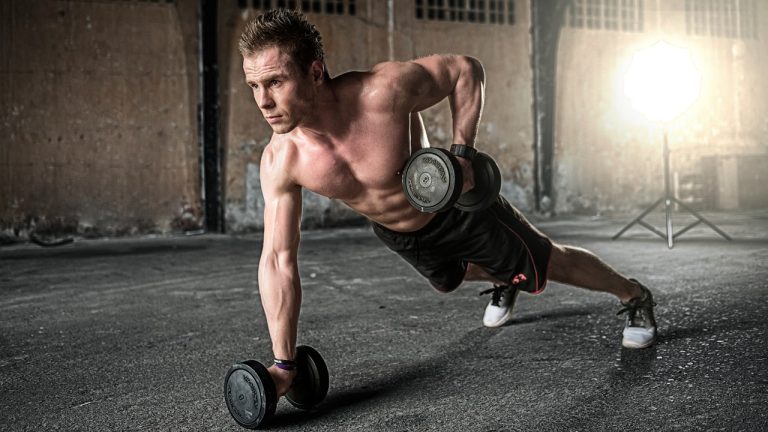
- Dumbbells: Use dumbbells for exercises like bicep curls, shoulder presses, and rows.
- Resistance Bands: Resistance bands offer a versatile and portable way to add resistance to exercises like squats, lunges, and rows.
- Household Items: Get creative with household items like water bottles or canned goods as weights.
Core Strengthening
A strong core is essential for stability, balance, and overall fitness.
- Crunches: Target your abdominal muscles.
- Leg Raises: Work your lower abs.
- Bicycle Crunches: Engage your obliques.
- Russian Twists: Strengthen your core and obliques using a weight for added difficulty.
Staying Motivated and Consistent
Setting Realistic Goals
Start with small, achievable goals and gradually increase the intensity and duration of your workouts.
- Start Small: Aim for 15-minute workouts 3 times a week.
- Track Progress: Monitor your progress to see how far you’ve come.
- Celebrate Successes: Reward yourself for reaching your goals.
Making it a Habit
Consistency is key to seeing results.
- Schedule Workouts: Treat workouts like important appointments and schedule them in your calendar.
- Find an Accountability Partner: Work out with a friend or family member for support and motivation.
- Minimize Distractions: Create a dedicated workout space and eliminate distractions like your phone or TV.
Mixing it Up
Prevent boredom by trying new exercises and workout routines.
- Explore Online Resources: Utilize free workout videos and apps for inspiration.
- Join Online Communities: Connect with others online for support and motivation.
- Try New Activities: Experiment with different types of exercise, such as yoga, Pilates, or dance fitness.
Fueling Your Body for Success
Pre-Workout Nutrition
Fuel your body with a light, easily digestible meal or snack about 1-2 hours before your workout.
- Examples: A banana with peanut butter, a small bowl of oatmeal, or a handful of nuts.
Post-Workout Recovery
Replenish your energy stores and repair your muscles with a post-workout meal or snack within 30-60 minutes after exercise.
- Examples: A protein shake, Greek yogurt with fruit, or a sandwich with lean protein.
- Hydration: Drink plenty of water throughout the day, especially before, during, and after your workout.
The Importance of a Balanced Diet
A healthy diet is essential for fueling your workouts and supporting your overall fitness goals.
- Focus on Whole Foods: Eat plenty of fruits, vegetables, whole grains, and lean protein.
- Limit Processed Foods: Reduce your intake of sugary drinks, processed snacks, and fast food.
- Prioritize Protein: Protein is essential for muscle repair and growth.
Conclusion
Quick home workouts are a powerful and convenient way to improve your fitness and well-being. By incorporating these strategies and exercises into your daily routine, you can achieve significant health benefits without sacrificing a lot of time. Remember to start small, stay consistent, and listen to your body. With dedication and effort, you can transform your health and achieve your fitness goals from the comfort of your own home.