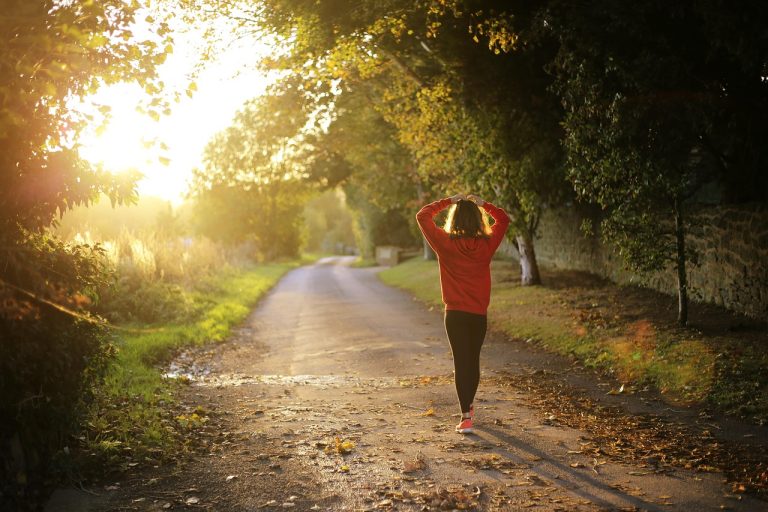
Imagine a life where fitness isn’t a chore, but a natural extension of your daily activities. Ditching the gym treadmill for a hike in the woods, swapping sugary snacks for wholesome, unprocessed foods, and connecting with your body’s innate capabilities. This is the essence of natural fitness – a holistic approach to well-being that prioritizes sustainable habits and a deeper understanding of your body. This blog post delves into the core principles of natural fitness, offering practical tips and insights to help you embark on a journey towards a healthier, more fulfilling lifestyle.
What is Natural Fitness?
The Philosophy Behind It
Natural fitness isn’t just about exercise; it’s a philosophy centered around mimicking the movement patterns and dietary habits of our ancestors. It’s about optimizing your body for real-world functionality rather than solely focusing on aesthetics. This approach emphasizes building strength, endurance, and flexibility through activities that are both enjoyable and beneficial in everyday life.
Key Principles of Natural Fitness
- Functional Movement: Focusing on exercises that translate to real-world activities, such as lifting, carrying, pushing, and pulling. Think deadlifts instead of bicep curls, squats instead of leg extensions.
- Nutrient-Dense Diet: Prioritizing whole, unprocessed foods that nourish the body and provide essential nutrients. This often involves consuming plenty of fruits, vegetables, lean proteins, and healthy fats.
- Mind-Body Connection: Emphasizing mindfulness and awareness of your body’s signals, promoting proper form and preventing injuries.
- Sustainability: Choosing activities and habits that can be maintained long-term, rather than short-term fixes or fad diets.
- Outdoor Activity: Incorporating outdoor activities to connect with nature, boost vitamin D levels, and enhance overall well-being. Studies show that spending time in nature can reduce stress and improve mood.
Natural Fitness vs. Conventional Fitness
Conventional fitness often relies heavily on isolated exercises and structured gym routines, which can sometimes feel repetitive and disconnected from real-life needs. Natural fitness, on the other hand, prioritizes integrated movements and activities that challenge the body in a more holistic way. While both approaches can be effective, natural fitness often fosters a deeper connection with your body and a greater appreciation for its capabilities. The primary difference is focusing on overall health and movement rather than solely building muscle or losing weight.
Movement: Reconnecting with Your Body
Functional Training Exercises
Functional training is a cornerstone of natural fitness. These exercises mimic everyday movements, improving strength, balance, and coordination.
- Squats: A fundamental movement for building lower body strength and stability. (Example: bodyweight squats, goblet squats, barbell squats)
- Deadlifts: Enhances full-body strength and power, mimicking lifting heavy objects. (Example: conventional deadlifts, sumo deadlifts, Romanian deadlifts)
- Push-ups: A versatile exercise for upper body strength, requiring no equipment. (Example: incline push-ups, decline push-ups, diamond push-ups)
- Pull-ups: A challenging exercise for back and arm strength. (Example: assisted pull-ups, chin-ups, negative pull-ups)
- Carries: Improves core stability and overall strength by carrying weighted objects. (Example: farmer’s walks, suitcase carries, overhead carries)
Integrating Movement into Daily Life
Small changes in your daily routine can significantly contribute to your overall fitness level.
- Walk or cycle to work: Replace short car trips with walking or cycling to increase your daily activity.
- Take the stairs: Opt for the stairs instead of the elevator to strengthen your legs and improve cardiovascular health.
- Stand while working: Use a standing desk or take regular breaks to stand and move around. Research suggests that prolonged sitting can have negative health consequences.
- Play actively with children or pets: Engage in games and activities that require movement.
- Gardening or yard work: These activities involve bending, lifting, and carrying, providing a great workout.
Embracing Outdoor Activities
Connecting with nature is an integral part of natural fitness.
- Hiking: Explore local trails to improve cardiovascular health and enjoy scenic views.
- Swimming: A full-body workout that is gentle on the joints.
- Rock climbing: A challenging activity that builds strength, endurance, and problem-solving skills.
- Kayaking or canoeing: A great way to explore waterways and improve upper body strength.
- Trail running: Enhances cardiovascular fitness and builds leg strength.
Nutrition: Fueling Your Body Naturally
The Importance of Whole Foods
A nutrient-dense diet is crucial for natural fitness. Focus on consuming whole, unprocessed foods that provide essential vitamins, minerals, and antioxidants.
- Fruits and vegetables: Aim for a variety of colorful fruits and vegetables to obtain a wide range of nutrients.
- Lean proteins: Choose lean sources of protein such as chicken, fish, beans, and lentils to support muscle growth and repair.
- Healthy fats: Include sources of healthy fats such as avocados, nuts, seeds, and olive oil for hormone production and overall health.
- Whole grains: Opt for whole grains such as brown rice, quinoa, and oats over refined grains.
Minimizing Processed Foods and Sugar
Processed foods and added sugars can contribute to inflammation, weight gain, and other health problems.
- Read food labels: Pay attention to the ingredient list and nutritional information to identify hidden sugars and unhealthy additives.
- Cook at home: Preparing your own meals allows you to control the ingredients and avoid processed foods.
- Limit sugary drinks: Replace sugary drinks such as soda and juice with water, herbal tea, or unsweetened beverages.
- Choose natural sweeteners: If you need to sweeten your food, opt for natural sweeteners such as honey or maple syrup in moderation.
Hydration: The Foundation of Health
Proper hydration is essential for optimal performance and overall health.
- Drink plenty of water: Aim for at least eight glasses of water per day, especially before, during, and after exercise.
- Listen to your body: Pay attention to your thirst cues and drink water throughout the day.
- Eat hydrating foods: Include fruits and vegetables with high water content in your diet, such as watermelon, cucumbers, and berries.
Rest and Recovery: Essential for Growth
Prioritizing Sleep
Adequate sleep is crucial for muscle recovery, hormone regulation, and overall well-being.
- Aim for 7-9 hours of sleep: Most adults need 7-9 hours of sleep per night.
- Establish a sleep routine: Go to bed and wake up at the same time each day, even on weekends.
- Create a relaxing bedtime environment: Make sure your bedroom is dark, quiet, and cool.
- Avoid screen time before bed: The blue light emitted from electronic devices can interfere with sleep.
Active Recovery Techniques
Active recovery involves low-intensity activities that promote blood flow and reduce muscle soreness.
- Light stretching: Gentle stretching can improve flexibility and reduce muscle tension.
- Walking or cycling: Light cardio can help flush out metabolic waste and promote recovery.
- Foam rolling: Self-massage with a foam roller can release muscle knots and improve circulation.
- Yoga or Pilates: These practices can improve flexibility, strength, and mind-body connection.
Managing Stress
Chronic stress can negatively impact your health and fitness goals.
- Mindfulness meditation: Practicing mindfulness can help you become more aware of your thoughts and feelings.
- Deep breathing exercises: Deep breathing can help calm the nervous system and reduce stress.
- Spending time in nature: Connecting with nature can have a calming and restorative effect.
- Engaging in hobbies: Pursuing activities you enjoy can help you relax and recharge.
Listening to Your Body: The Key to Sustainability
Understanding Your Body’s Signals
Paying attention to your body’s signals is crucial for preventing injuries and optimizing performance.
- Recognize signs of overtraining: Fatigue, decreased performance, and increased risk of injury can be signs of overtraining.
- Listen to your body’s hunger cues: Eat when you’re hungry and stop when you’re full.
- Pay attention to pain: Don’t ignore pain or push through it. Rest and seek medical attention if necessary.
Modifying Your Approach as Needed
Natural fitness is not a one-size-fits-all approach. It’s important to adapt your training and nutrition to meet your individual needs and goals.
- Adjust your workout intensity: Increase or decrease the intensity of your workouts based on your fitness level and recovery.
- Modify exercises as needed: If an exercise causes pain, modify it or choose an alternative.
- Experiment with different diets: Find a dietary approach that works for you and supports your health and fitness goals.
Celebrating Progress, Not Perfection
Natural fitness is a journey, not a destination. Celebrate your progress along the way and don’t get discouraged by setbacks.
- Focus on small, sustainable changes: Make gradual changes to your lifestyle rather than trying to overhaul everything at once.
- Be patient with yourself: It takes time to build strength, endurance, and healthy habits.
- Find joy in the process: Choose activities that you enjoy and that make you feel good.
Conclusion
Natural fitness is more than just a workout routine; it’s a lifestyle that promotes holistic well-being. By embracing functional movement, nourishing your body with whole foods, prioritizing rest and recovery, and listening to your body’s signals, you can embark on a journey towards a healthier, more fulfilling life. Remember, the key to success is sustainability – finding activities and habits that you can maintain long-term. Embrace the process, celebrate your progress, and enjoy the journey towards becoming your most naturally fit self.