Physical Address
304 North Cardinal St.
Dorchester Center, MA 02124
Physical Address
304 North Cardinal St.
Dorchester Center, MA 02124

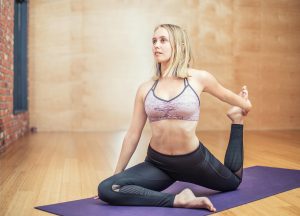
Lower body strength is crucial for everything from walking and climbing stairs to excelling in sports and maintaining balance as we age. And the great news is you don’t need a gym membership or fancy equipment to build a powerful and resilient lower body. Bodyweight exercises offer a versatile and effective way to target all the major muscle groups in your legs and glutes, improving strength, endurance, and overall fitness. This guide will delve into the world of lower body bodyweight training, providing you with the knowledge and tools to sculpt a stronger, healthier you.
Bodyweight training offers a myriad of advantages over traditional weightlifting, making it an attractive option for individuals of all fitness levels:
Studies have shown that bodyweight training can be just as effective as weightlifting for building muscle strength and endurance, especially for beginners and those looking to maintain their fitness levels.
Lower body bodyweight exercises effectively target a range of crucial muscle groups, contributing to overall strength and functional fitness:
By targeting these muscle groups effectively, lower body bodyweight exercises contribute to improved athletic performance, injury prevention, and overall quality of life.
The squat is a fundamental movement that works nearly every muscle in your lower body. It’s a cornerstone of any effective lower body workout.
1. Stand with your feet shoulder-width apart, toes slightly pointed outwards.
2. Keep your back straight and your core engaged.
3. Lower your hips as if sitting down in a chair, keeping your knees behind your toes.
4. Continue lowering until your thighs are parallel to the ground (or as low as you can comfortably go).
5. Push through your heels to return to the starting position.
Air Squats: The standard squat, using just your bodyweight.
Jump Squats: Add an explosive jump at the top of the movement.
Pistol Squats: A single-leg squat, requiring significant strength and balance.
Sumo Squats: A wider stance, targeting the inner thighs and glutes more intensely.
Lunges are excellent for developing unilateral strength (strength in one leg at a time), improving balance, and targeting the glutes and quads.
1. Stand with your feet hip-width apart.
2. Step forward with one leg, lowering your hips until both knees are bent at a 90-degree angle.
3. Ensure your front knee stays behind your toes and your back knee doesn’t touch the ground.
4. Push off with your front foot to return to the starting position.
5. Repeat on the other leg.
Forward Lunges: Stepping forward.
Reverse Lunges: Stepping backward.
Walking Lunges: Continuously stepping forward, moving across the room.
Lateral Lunges: Stepping to the side, targeting the inner and outer thighs.
Glute bridges are a fantastic exercise for isolating and strengthening the glutes and hamstrings.
1. Lie on your back with your knees bent and your feet flat on the floor, hip-width apart.
2. Engage your core and squeeze your glutes.
3. Lift your hips off the floor until your body forms a straight line from your shoulders to your knees.
4. Hold for a second at the top, then slowly lower your hips back to the floor.
Single-Leg Glute Bridge: Performing the bridge with one leg raised in the air.
Glute Bridge with Resistance Band: Placing a resistance band around your thighs.
Hip Thrust: Elevating your shoulders on a bench to increase the range of motion.
Calf raises are essential for developing strong and resilient calves, which are important for walking, running, and jumping.
1. Stand with your feet flat on the floor, shoulder-width apart.
2. Slowly rise up onto the balls of your feet, squeezing your calf muscles at the top of the movement.
3. Hold for a second, then slowly lower back down to the starting position.
Standing Calf Raises: Performed standing on a flat surface.
Seated Calf Raises: Performed while seated, targeting the soleus muscle.
Single-Leg Calf Raises: Performing the calf raise on one leg.
Here’s a sample lower body bodyweight workout routine that you can perform 2-3 times per week:
Squats: 3 sets of 10-15 repetitions
Lunges (per leg): 3 sets of 10-12 repetitions
Glute Bridges: 3 sets of 15-20 repetitions
Calf Raises: 3 sets of 15-25 repetitions
* Plank: 3 sets, holding for 30-60 seconds. (Plank engages core, important for lower body stability)
Adjust the number of sets and repetitions based on your fitness level. Remember to listen to your body and take rest days when needed.
To continue challenging yourself and avoid plateaus, it’s important to progressively overload your muscles. This can be done by:
By consistently challenging your body, you’ll continue to see improvements in strength, endurance, and overall fitness.
Nutrition plays a vital role in supporting muscle growth and recovery. Ensure you’re consuming a balanced diet that includes:
Hydration is also crucial. Drink plenty of water throughout the day, especially before, during, and after your workouts.
Adequate recovery is essential for allowing your muscles to repair and rebuild. Key recovery strategies include:
By prioritizing nutrition and recovery, you’ll optimize your results and minimize the risk of overtraining.
Lower body bodyweight training offers a powerful and accessible way to build strength, improve endurance, and enhance your overall fitness. By incorporating the exercises and strategies outlined in this guide, you can effectively target all the major muscle groups in your legs and glutes, achieving significant results without the need for expensive equipment or gym memberships. Remember to focus on proper form, progressively overload your muscles, prioritize nutrition and recovery, and listen to your body. With dedication and consistency, you can unlock the full potential of lower body bodyweight training and achieve a stronger, healthier, and more functional you.