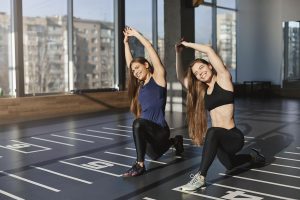
Unleash your inner athlete and transform your living room into a powerhouse of fitness! Forget expensive gym memberships and crowded workout spaces. With a well-structured home training routine, you can achieve incredible results, build strength, and improve your overall well-being, all from the comfort and convenience of your own home. This guide will provide you with everything you need to design and implement an effective home workout plan tailored to your individual goals and fitness level.
Benefits of a Home Training Routine
Time Efficiency
- Eliminate commute time: No more driving to and from the gym, saving valuable time.
- Workout on your own schedule: Fit your workouts into your busy day whenever it suits you best. Studies show that people who exercise at home are more likely to stick to their routine due to its convenience.
- No waiting for equipment: Access your equipment immediately without waiting for others.
Cost-Effectiveness
- No gym membership fees: Save hundreds, even thousands, of dollars per year by avoiding gym memberships. The average gym membership in the US is around $69 per month.
- Minimal equipment needed initially: Start with bodyweight exercises and gradually invest in affordable equipment as needed (e.g., resistance bands, dumbbells).
- Workout anywhere, anytime: Travel doesn’t have to interrupt your fitness goals. You can perform your routine from hotel rooms or even outdoors.
Personalized Fitness
- Customize your workouts: Design a routine that caters to your specific goals, whether it’s weight loss, muscle gain, or improved cardiovascular health.
- Control your environment: Adjust the temperature, music, and lighting to create the perfect workout atmosphere.
- Privacy and comfort: Feel more comfortable exercising in a familiar environment without the pressure of performing in front of others.
Designing Your Home Workout Plan
Assessing Your Fitness Level
- Beginner: If you’re new to exercise, start with basic bodyweight exercises and focus on proper form.
- Intermediate: If you have some experience, you can incorporate resistance bands or light weights into your routine.
- Advanced: If you’re already fit, challenge yourself with heavier weights, more complex exercises, and higher intensity intervals.
Setting Realistic Goals
- Weight Loss: Focus on cardio and strength training with a calorie deficit. Aim for 3-5 workouts per week.
- Muscle Gain: Prioritize strength training with progressive overload and ensure adequate protein intake. Aim for 3-4 workouts per week.
- Improved Endurance: Incorporate longer cardio sessions and interval training.
Structuring Your Workout Sessions
- Warm-up (5-10 minutes): Prepare your body for exercise with light cardio and dynamic stretching, such as arm circles, leg swings, and torso twists.
- Workout (30-60 minutes): Focus on compound exercises that work multiple muscle groups.
- Cool-down (5-10 minutes): Reduce your heart rate and stretch your muscles with static stretches, holding each stretch for 20-30 seconds.
Sample Weekly Workout Schedule (Beginner)
- Monday: Full Body Strength Training (bodyweight exercises)
- Tuesday: Cardio (walking, jogging, cycling)
- Wednesday: Rest or Active Recovery (yoga, light stretching)
- Thursday: Full Body Strength Training (bodyweight exercises)
- Friday: Cardio (walking, jogging, cycling)
- Saturday: Rest
- Sunday: Active Recovery (yoga, light stretching)
Essential Home Training Exercises
Bodyweight Exercises
- Squats: Targets your quads, glutes, and hamstrings.
- Push-ups: Targets your chest, shoulders, and triceps. Modify on your knees if needed.
- Lunges: Targets your quads, glutes, and hamstrings.
- Plank: Targets your core muscles.
- Crunches: Targets your abdominal muscles.
- Glute Bridges: Targets your glutes and hamstrings.
Exercises with Minimal Equipment
- Resistance Band Rows: Targets your back muscles.
- Dumbbell Bicep Curls: Targets your biceps.
- Dumbbell Shoulder Press: Targets your shoulders.
- Dumbbell Deadlifts: Targets your hamstrings and back.
- Jump Rope: Excellent for cardio and coordination.
Workout Example: Full Body Strength (Beginner)
Perform each exercise for 3 sets of 10-12 repetitions. Rest for 60 seconds between sets.
Squats
Push-ups (on knees if needed)
Lunges (each leg)
Plank (hold for 30-60 seconds)
Crunches
Glute Bridges
Maintaining Motivation and Consistency
Setting Realistic Expectations
- Understand that progress takes time and effort. Don’t get discouraged if you don’t see results immediately.
- Focus on small, achievable goals and celebrate your accomplishments along the way.
Tracking Your Progress
- Keep a workout journal to track your exercises, sets, reps, and weight used.
- Take progress photos every few weeks to visually track your results.
- Use fitness apps to monitor your workouts and track your progress over time.
Making it Enjoyable
- Choose exercises that you enjoy.
- Listen to upbeat music or podcasts while you work out.
- Find a workout buddy to stay motivated and accountable.
- Vary your routine to prevent boredom.
Creating a Dedicated Workout Space
- Designate a specific area in your home for workouts.
- Keep your workout equipment organized and easily accessible.
- Minimize distractions in your workout space.
Nutrition for Optimal Results
Fueling Your Body
- Eat a balanced diet rich in fruits, vegetables, lean protein, and whole grains.
- Consume a pre-workout meal or snack to provide energy for your workout.
- Refuel with a post-workout meal or snack to replenish glycogen stores and repair muscle tissue.
Hydration
- Drink plenty of water throughout the day, especially before, during, and after your workouts.
- Dehydration can lead to fatigue and decreased performance.
Protein Intake
- Ensure adequate protein intake to support muscle growth and repair.
- Aim for 0.8 grams of protein per kilogram of body weight per day, or more if you’re actively trying to build muscle.
Conclusion
Establishing a consistent home training routine is a powerful way to take control of your fitness and well-being. By following these guidelines, you can create a personalized workout plan that fits your lifestyle and helps you achieve your fitness goals, all without leaving the comfort of your own home. Remember to listen to your body, stay consistent, and most importantly, enjoy the process! Your journey to a healthier, fitter you starts now.