Juggling work, family, and social life can leave little time for gym visits. But staying active is crucial for both physical and mental well-being. The solution? Crafting an effective home workout flow that seamlessly integrates into your daily routine. This guide will walk you through creating a personalized home workout experience, ensuring you stay motivated and achieve your fitness goals without ever leaving your house.
Designing Your Ideal Home Workout Space
Assessing Your Available Space
Before jumping into exercises, evaluate your home environment. Do you have a dedicated room for workouts, or will you be transforming your living room temporarily? Consider these factors:
- Size: Is there enough room to move freely without bumping into furniture? You’ll need space for exercises like lunges, jumping jacks, and yoga poses.
- Surface: A non-slip surface is crucial for safety. If you have hardwood floors, consider using a yoga mat or exercise mat.
- Distractions: Minimize distractions by choosing a quiet area away from the television or noisy family members.
- Lighting: Good lighting can significantly impact your mood and energy levels. Opt for natural light whenever possible.
Essential Equipment (and Budget-Friendly Alternatives)
You don’t need a fully equipped gym to have a great home workout. Start with the basics and gradually add more equipment as needed.
- Yoga Mat: Provides cushioning and grip for floor exercises.
- Resistance Bands: Versatile and affordable, resistance bands offer varying levels of resistance for strength training. You can often find sets for under $30.
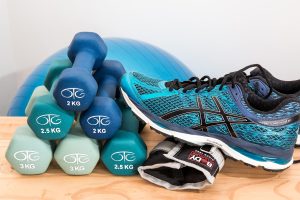
- Dumbbells: A pair of dumbbells (or adjustable dumbbells) can significantly enhance your strength training routine.
- Jump Rope: An excellent cardio option that requires minimal space.
- Chair/Bench: Useful for exercises like tricep dips and step-ups.
- Budget-Friendly Alternatives:
- Water Bottles/Canned Goods: Use these as weights for bicep curls or shoulder presses.
- Stairs: Incorporate stair climbing or step-ups into your cardio routine.
- Bodyweight: Many effective exercises like squats, push-ups, and planks require no equipment at all.
Structuring Your Home Workout Flow
Warm-Up (5-10 Minutes)
A proper warm-up prepares your body for exercise, reducing the risk of injury and improving performance. Focus on dynamic stretches that increase blood flow and flexibility.
- Arm Circles: Forward and backward, 10-15 repetitions each.
- Leg Swings: Forward and sideways, 10-15 repetitions each leg.
- Torso Twists: 10-15 repetitions.
- High Knees: 20-30 seconds.
- Butt Kicks: 20-30 seconds.
Main Workout (20-45 Minutes)
This is where you focus on your fitness goals, whether it’s building strength, improving cardiovascular health, or increasing flexibility.
- Strength Training: Choose exercises that target all major muscle groups (legs, chest, back, shoulders, arms, core). Example:
Squats: 3 sets of 10-12 repetitions
Push-ups: 3 sets of as many repetitions as possible (AMRAP)
Dumbbell Rows: 3 sets of 10-12 repetitions per arm
Plank: 3 sets, holding for 30-60 seconds
- Cardio: Elevate your heart rate with activities like jumping jacks, burpees, running in place, or using a jump rope. Aim for 20-30 minutes of moderate-intensity cardio. You could also incorporate HIIT (High-Intensity Interval Training) for shorter, more intense bursts of activity.
- Flexibility/Yoga: Improve your range of motion and reduce muscle soreness with yoga or stretching. Hold each stretch for 30 seconds, focusing on major muscle groups.
Cool-Down (5-10 Minutes)
A cool-down helps your body gradually return to its resting state, preventing muscle stiffness and soreness. Focus on static stretches, holding each for 30 seconds.
- Hamstring Stretch: Sit on the floor with legs extended and reach for your toes.
- Quadriceps Stretch: Stand and pull your heel towards your glutes.
- Triceps Stretch: Reach one arm overhead and bend at the elbow, reaching towards your back.
- Shoulder Stretch: Reach one arm across your body and gently pull it towards you with the other arm.
Maintaining Motivation and Consistency
Setting Realistic Goals
Don’t try to do too much too soon. Start with small, achievable goals and gradually increase the intensity and duration of your workouts.
- Example: Aim to work out 3 times per week for 30 minutes each session.
- Track Your Progress: Keep a workout journal or use a fitness app to monitor your progress and stay motivated.
Creating a Routine
Schedule your workouts like any other important appointment. Consistency is key to seeing results.
- Morning Workouts: Get your workout done early before the day gets busy.
- Evening Workouts: Unwind after a long day with a stress-relieving workout.
- Weekend Workouts: Use the extra time on weekends for longer, more challenging workouts.
Mixing it Up
Prevent boredom and plateauing by varying your workouts regularly.
- Try Different Exercises: Incorporate new exercises into your routine every few weeks.
- Change the Order: Mix up the order of your exercises to challenge your muscles in new ways.
- Increase Intensity: Gradually increase the weight, resistance, or duration of your workouts.
- Explore Different Workout Styles: Try yoga, Pilates, dance fitness, or online workout classes.
Nutrition and Hydration for Home Workout Success
Pre-Workout Fuel
Fuel your body with a light and easily digestible snack 30-60 minutes before your workout.
- Examples: A banana with peanut butter, a handful of almonds, or a small bowl of oatmeal.
Post-Workout Recovery
Replenish your energy stores and repair muscle tissue with a post-workout meal or snack within 30-60 minutes after exercising.
- Examples: A protein shake, Greek yogurt with berries, or a chicken breast with brown rice and vegetables.
Hydration is Key
Drink plenty of water throughout the day, especially before, during, and after your workouts. Dehydration can lead to fatigue, muscle cramps, and decreased performance.
- Aim for at least 8 glasses of water per day.
- Drink an extra 16-20 ounces of water before and after your workout.
Listening to Your Body
Recognizing Signs of Overtraining
Pushing yourself too hard can lead to injury and burnout. Pay attention to your body and rest when needed.
- Symptoms of Overtraining: Persistent muscle soreness, fatigue, decreased performance, mood swings, and sleep disturbances.
Rest and Recovery
Adequate rest is crucial for muscle repair and growth.
- Aim for 7-9 hours of sleep per night.
- Take rest days when needed.
- Consider incorporating active recovery activities like walking or yoga on your rest days.
Adjusting Your Routine
Don’t be afraid to modify your workout routine based on your individual needs and preferences. What works for one person may not work for another.
- Listen to your body and adjust the intensity or duration of your workouts as needed.
- Consult with a healthcare professional or certified personal trainer if you have any questions or concerns.*
Conclusion
Creating a successful home workout flow is about personalization, consistency, and listening to your body. By designing a dedicated space, structuring your workouts effectively, staying motivated, and prioritizing nutrition and recovery, you can achieve your fitness goals from the comfort of your own home. Embrace the flexibility and convenience of home workouts, and watch as your health and well-being flourish.