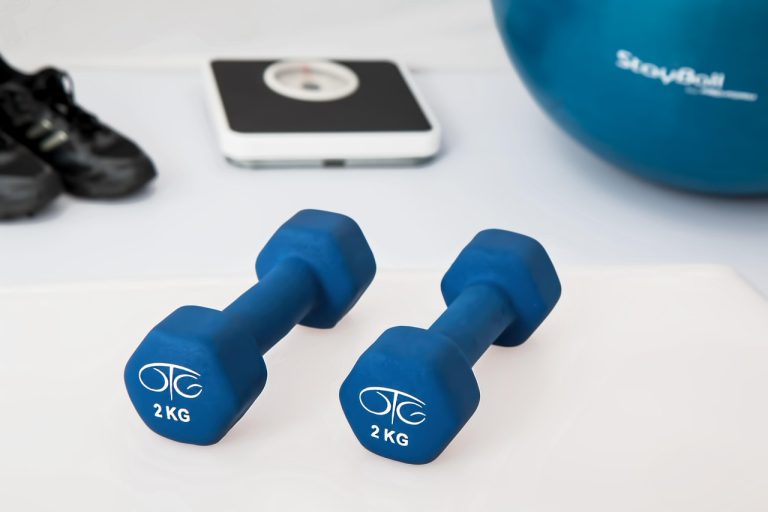
Starting an exercise routine can feel daunting, especially when you’re unsure where to begin. It’s a journey, not a race, and the most important thing is to take those first steps toward a healthier, more active you. This guide will break down exercise for beginners into manageable steps, helping you build a solid foundation for long-term fitness success. We’ll cover everything from understanding the basics to creating a workout plan that fits your lifestyle and goals.
Understanding the Basics of Exercise
What is Exercise and Why is it Important?
Exercise is any bodily activity that enhances or maintains physical fitness and overall health and wellness. It comes in many forms, from brisk walking to strength training.
Why is it important? Here are a few key benefits:
- Improved Cardiovascular Health: Reduces the risk of heart disease, stroke, and high blood pressure.
- Weight Management: Helps burn calories and build muscle, supporting a healthy weight.
- Stronger Bones and Muscles: Increases bone density and muscle mass, reducing the risk of osteoporosis and injuries.
- Improved Mood and Mental Health: Releases endorphins, which have mood-boosting effects and can reduce stress and anxiety. Studies have shown exercise can be as effective as medication for mild to moderate depression.
- Increased Energy Levels: Regular exercise can combat fatigue and increase overall energy levels.
- Reduced Risk of Chronic Diseases: Helps prevent or manage conditions like type 2 diabetes, certain cancers, and arthritis.
Remember to consult with your doctor before starting any new exercise program, especially if you have any underlying health conditions.
Types of Exercise
There are several main types of exercise, each offering unique benefits. Understanding these types will help you create a well-rounded fitness routine.
- Cardiovascular (Cardio) Exercise: Activities that elevate your heart rate and improve cardiovascular health. Examples include walking, running, swimming, cycling, and dancing.
- Strength Training: Exercises that use resistance to build muscle strength and endurance. Examples include lifting weights, using resistance bands, and bodyweight exercises like push-ups and squats.
- Flexibility Exercises: Stretches that improve range of motion and flexibility. Examples include yoga, Pilates, and static stretching.
- Balance Exercises: Activities that improve stability and coordination, reducing the risk of falls. Examples include Tai Chi, standing on one foot, and using a balance board.
Actionable Takeaway: Identify which types of exercise appeal to you most and consider incorporating a mix of these into your routine for a balanced approach.
Setting Realistic Goals and Expectations
Defining Your Fitness Goals
Before you start exercising, it’s crucial to define your fitness goals. What do you want to achieve? Are you looking to lose weight, build muscle, improve your cardiovascular health, or simply feel better?
Here’s how to set realistic goals:
- Be Specific: Instead of saying “I want to get in shape,” say “I want to lose 10 pounds in 3 months” or “I want to be able to run a 5k.”
- Make it Measurable: Track your progress to stay motivated. Use a fitness tracker, journal, or app to monitor your workouts and results.
- Ensure it’s Achievable: Set goals that are challenging but realistic. Starting with small, attainable goals will help you build momentum and avoid discouragement.
- Make it Relevant: Ensure your goals align with your values and lifestyle. If you hate running, don’t make it your primary form of exercise.
- Give it a Time Frame: Set a deadline for achieving your goals. This will help you stay focused and accountable.
Example: A realistic goal could be “I want to walk for 30 minutes, 3 times a week, for the next month.”
Managing Expectations
It’s important to manage your expectations and understand that results take time. Don’t expect to see significant changes overnight. Consistency is key.
Here are some tips for managing expectations:
- Be Patient: It takes time to build fitness and see results. Don’t get discouraged if you don’t see progress immediately.
- Focus on the Process: Enjoy the journey and focus on making exercise a sustainable part of your lifestyle.
- Celebrate Small Wins: Acknowledge and celebrate your progress, no matter how small. This will help you stay motivated.
- Be Kind to Yourself: Everyone has bad days. If you miss a workout, don’t beat yourself up. Just get back on track the next day.
Actionable Takeaway: Write down your fitness goals and keep them visible as a reminder of what you’re working towards. Revisit them regularly and adjust them as needed.
Creating a Beginner-Friendly Workout Plan
Sample Weekly Schedule
A well-structured workout plan for beginners should include a mix of cardio, strength training, and flexibility exercises. Here’s a sample weekly schedule:
- Monday: 30-minute brisk walk or light jog
- Tuesday: Rest or light stretching
- Wednesday: 30-minute bodyweight strength training (squats, push-ups, lunges, planks)
- Thursday: 30-minute swim or bike ride
- Friday: Rest or yoga session
- Saturday: Longer walk or hike (45-60 minutes)
Note: This is just a sample schedule. Adjust it based on your fitness level, preferences, and goals. Remember to listen to your body and take rest days when needed.
Recommended Exercises for Beginners
Here are some beginner-friendly exercises that are easy to learn and can be done at home:
- Strength Training:
- Push-ups (start with modified push-ups on your knees)
- Bicep curls with light weights or resistance bands
- Overhead presses with light weights or resistance bands
Actionable Takeaway: Start with 2-3 sets of 10-12 repetitions for each strength training exercise. Gradually increase the number of sets and repetitions as you get stronger.
Importance of Warm-up and Cool-down
Always start your workouts with a warm-up and end with a cool-down. These are essential for preventing injuries and improving recovery.
- Warm-up: Prepare your body for exercise by increasing blood flow to your muscles. Examples include light cardio (e.g., walking, jogging in place) and dynamic stretching (e.g., arm circles, leg swings). Aim for 5-10 minutes.
- Cool-down: Gradually lower your heart rate and relax your muscles after exercise. Examples include static stretching (holding each stretch for 20-30 seconds) and light cardio. Aim for 5-10 minutes.
Actionable Takeaway: Never skip your warm-up and cool-down. They are just as important as the workout itself.
Staying Motivated and Consistent
Finding Activities You Enjoy
The key to long-term fitness success is finding activities you enjoy. If you dread your workouts, you’re less likely to stick with them.
Here are some tips for finding activities you enjoy:
- Experiment: Try different types of exercise until you find something you like. Don’t be afraid to step outside your comfort zone.
- Make it Social: Exercise with a friend or join a fitness class. Having a workout buddy can make exercise more fun and keep you accountable.
- Listen to Music or Podcasts: Distract yourself from the discomfort of exercise by listening to your favorite music or podcasts.
- Reward Yourself: Set small rewards for reaching your fitness goals. This could be anything from buying new workout clothes to treating yourself to a healthy meal.
Tracking Progress and Celebrating Milestones
Tracking your progress is a great way to stay motivated and see how far you’ve come. Celebrate your milestones, no matter how small.
Here are some ways to track your progress:
- Use a Fitness Tracker: Wearable fitness trackers can track your steps, heart rate, calories burned, and sleep patterns.
- Keep a Workout Journal: Record your workouts, including the exercises you did, the number of sets and repetitions, and how you felt.
- Take Progress Photos: Take photos of yourself regularly to track changes in your body composition.
- Measure Your Body: Measure your waist, hips, and other body parts to track changes in your measurements.
Actionable Takeaway: Set realistic milestones and reward yourself when you reach them. This will help you stay motivated and committed to your fitness journey.
Overcoming Common Challenges
Everyone faces challenges when starting an exercise routine. Here are some common challenges and how to overcome them:
- Lack of Time: Schedule your workouts in advance and treat them like any other important appointment. Even 15-20 minutes of exercise is better than nothing.
- Lack of Motivation: Find a workout buddy, join a fitness class, or set realistic goals to stay motivated.
- Fatigue: Get enough sleep, eat a healthy diet, and don’t overtrain. Rest and recovery are just as important as exercise.
- Injuries: Listen to your body and don’t push yourself too hard, especially when you’re just starting out. Consult with a doctor or physical therapist if you experience any pain or discomfort.
Actionable Takeaway: Identify your personal challenges and develop strategies for overcoming them. Be patient with yourself and remember that it’s okay to have setbacks. The important thing is to keep moving forward.
Conclusion
Starting an exercise routine is a significant step towards a healthier and happier you. By understanding the basics, setting realistic goals, creating a beginner-friendly workout plan, and staying motivated, you can establish a sustainable fitness routine that fits your lifestyle. Remember to listen to your body, be patient with yourself, and celebrate your progress along the way. Every step counts, and you’re well on your way to achieving your fitness goals!