Squeezing in a gym session can feel impossible with today’s hectic schedules. But what if you could achieve your fitness goals from the comfort of your own home? Efficient home workouts are not only possible but can be incredibly effective with the right approach. This guide will equip you with the knowledge and tools to transform your living space into your personal fitness sanctuary, maximizing results and minimizing time commitment.
Understanding the Benefits of Home Workouts
Working out at home offers a plethora of advantages, making it an increasingly popular choice for individuals of all fitness levels. It’s about making fitness fit your life, not the other way around.
Convenience and Time Savings
- Eliminate Commute Time: Say goodbye to wasted minutes (or even hours!) commuting to and from the gym. You can simply walk a few steps to your workout space.
- Flexibility: Workout whenever you have time, whether it’s early in the morning, during a lunch break, or late at night. No need to adhere to gym hours.
- Increased Consistency: The convenience of home workouts makes it easier to stick to your fitness routine consistently. Studies show that proximity to fitness resources increases adherence.
Cost-Effectiveness
- No Gym Membership Fees: Save hundreds or even thousands of dollars per year by ditching the gym membership.
- Minimal Equipment Investment: You can start with bodyweight exercises and gradually add equipment as needed. Many effective workouts require little to no equipment.
- Reduced Transportation Costs: No gas money or public transport fares needed!
Privacy and Comfort
- No Judgment: Feel comfortable exercising in your own space without worrying about being watched or judged.
- Personalized Environment: Create a workout environment that suits your preferences, from music to lighting to temperature.
- Reduced Risk of Germs: Avoid the potential exposure to germs and bacteria that can be present in public gyms.
Designing Your Efficient Home Workout Plan
A well-structured workout plan is crucial for maximizing results. Consistency and progressive overload are key principles to keep in mind.
Goal Setting and Workout Selection
- Define Your Goals: What do you want to achieve? Weight loss, muscle gain, improved cardiovascular health, or increased flexibility? Be specific and measurable (e.g., “lose 10 pounds in 2 months” rather than “lose weight”).
- Choose Exercises Wisely: Select exercises that target multiple muscle groups simultaneously to maximize efficiency. Compound exercises like squats, push-ups, and rows are excellent choices.
- Consider Your Fitness Level: Start with exercises you can perform correctly with good form. Gradually increase the intensity and complexity as you get stronger.
Sample Workout Routines
Here are a few example routines to get you started:
Squats: 3 sets of 10-12 reps
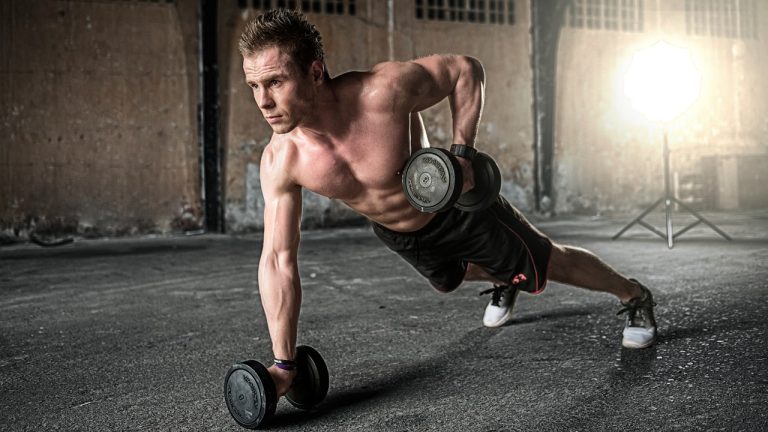
Push-ups (knee push-ups if needed): 3 sets of as many reps as possible
Plank: 3 sets, hold for 30-60 seconds
Glute Bridges: 3 sets of 15-20 reps
Walking Lunges: 3 sets of 10-12 reps per leg
Push-ups: 3 sets of as many reps as possible
Dumbbell Rows: 3 sets of 10-12 reps per arm
Overhead Press (using dumbbells or resistance bands): 3 sets of 10-12 reps
Bicep Curls: 3 sets of 12-15 reps
Tricep Dips (using a chair): 3 sets of as many reps as possible
Bulgarian Split Squats: 3 sets of 10-12 reps per leg
Romanian Deadlifts: 3 sets of 10-12 reps
Glute Bridges (with a resistance band): 3 sets of 15-20 reps
Calf Raises: 3 sets of 15-20 reps
Warm-up and Cool-down
- Warm-up: Prepare your body for exercise with 5-10 minutes of light cardio and dynamic stretching. Examples include jumping jacks, arm circles, and leg swings.
- Cool-down: Reduce muscle soreness and improve flexibility with 5-10 minutes of static stretching. Hold each stretch for 20-30 seconds. Examples include hamstring stretches, quad stretches, and calf stretches.
Essential Equipment for Home Workouts
While you can achieve great results with bodyweight exercises alone, adding some equipment can enhance your workouts and provide more variety.
Minimal Equipment Must-Haves
- Resistance Bands: Versatile and affordable, resistance bands can be used for a wide range of exercises.
- Yoga Mat: Provides cushioning and grip for floor exercises.
- Dumbbells: A set of dumbbells allows you to add resistance to your exercises. Choose a weight that challenges you but allows you to maintain good form.
Optional Equipment for Increased Variety
- Jump Rope: An excellent tool for cardiovascular exercise.
- Kettlebell: Great for compound exercises that build strength and power.
- Pull-up Bar: If you have the space, a pull-up bar can be a fantastic addition for upper body training.
- Exercise Ball: Can be used for core exercises and stability training.
Creating Your Workout Space
- Designate a Space: Dedicate a specific area in your home for workouts. This helps create a routine and reduces distractions.
- Ensure Sufficient Space: Make sure you have enough room to move freely and perform exercises safely.
- Consider Flooring: Choose a flooring surface that provides good traction and cushioning.
- Add Motivation: Decorate your workout space with motivational posters or artwork to inspire you.
Maximizing Your Workout Efficiency
Efficiency is about getting the most out of every minute you spend exercising. Small changes can make a big difference.
High-Intensity Interval Training (HIIT)
- Short Bursts of Intense Exercise: HIIT involves alternating between short bursts of intense exercise and brief periods of rest or lower-intensity activity.
- Time-Efficient: HIIT workouts are typically shorter than traditional cardio workouts, making them ideal for busy schedules.
- Effective for Fat Burning: Studies have shown that HIIT can be more effective than steady-state cardio for burning fat.
- Example: 20 seconds of burpees followed by 10 seconds of rest, repeated for 10-15 minutes.
Circuit Training
- Performing Exercises Back-to-Back: Circuit training involves performing a series of exercises one after the other with minimal rest in between.
- Full-Body Workout: Circuit training can be designed to target all major muscle groups.
- Improved Cardiovascular Fitness: The continuous nature of circuit training elevates your heart rate and improves cardiovascular fitness.
- Example: Squats, push-ups, lunges, plank, and jumping jacks, performed consecutively with 15 seconds of rest between each exercise.
Compound Exercises
- Engage Multiple Muscle Groups: Compound exercises work multiple muscle groups simultaneously, making them more efficient than isolation exercises.
- Increased Calorie Burn: Compound exercises burn more calories than isolation exercises.
- Improved Functional Strength: Compound exercises mimic real-life movements, improving your functional strength and overall fitness.
- Examples: Squats, deadlifts, lunges, push-ups, and rows.
Staying Motivated and Consistent
Motivation can fluctuate, but consistency is the key to long-term success.
Setting Realistic Goals
- Start Small: Don’t try to do too much too soon. Start with achievable goals and gradually increase the intensity and duration of your workouts.
- Track Your Progress: Monitor your progress by tracking your workouts, weight, and measurements. Seeing tangible results can be highly motivating.
- Reward Yourself: Celebrate your accomplishments with healthy rewards, such as a new workout outfit or a relaxing massage.
Finding an Accountability Partner
- Shared Goals: Working out with a friend or family member can provide support and motivation.
- Mutual Encouragement: You can encourage each other to stay on track and push each other to achieve your goals.
- Scheduled Workouts: Plan your workouts together and hold each other accountable.
Varying Your Routine
- Prevent Boredom: Doing the same workouts day after day can lead to boredom and burnout.
- Challenge Your Body: Varying your routine can challenge your body in new ways and prevent plateaus.
- Explore Different Activities: Try different types of workouts, such as yoga, Pilates, or dance fitness.
Conclusion
Efficient home workouts offer a powerful and convenient way to achieve your fitness goals. By understanding the benefits, designing a tailored plan, utilizing essential equipment, maximizing efficiency with techniques like HIIT and circuit training, and staying motivated, you can transform your home into a personal fitness haven. Remember to prioritize consistency, listen to your body, and enjoy the process of becoming a healthier and stronger you.