Unlocking a healthier, stronger you doesn’t always require a gym membership or expensive equipment. Home resistance training offers a versatile and effective way to build muscle, improve fitness, and boost overall well-being, all from the comfort of your own living room. This guide will walk you through everything you need to know to start your home resistance training journey and achieve your fitness goals.
Understanding Home Resistance Training
What is Resistance Training?
Resistance training, also known as strength training or weight training, involves using resistance to contract your muscles, leading to increased strength, power, endurance, and muscle size. This resistance can come from various sources, including your own body weight, resistance bands, dumbbells, or even household items.
Benefits of Home Resistance Training
- Convenience: Workout anytime, anywhere, without travel time or gym fees.
- Cost-Effective: Minimal equipment needed, reducing the financial burden.
- Privacy: Exercise in a comfortable and private setting.
- Customization: Tailor workouts to your specific fitness level and goals.
- Improved Strength and Endurance: Build muscle and enhance physical performance.
- Better Bone Density: Resistance training helps strengthen bones, reducing the risk of osteoporosis.
- Weight Management: Boost metabolism and burn calories, aiding in weight loss or maintenance.
- Enhanced Mental Well-being: Exercise releases endorphins, improving mood and reducing stress.
Debunking Myths About Home Workouts
Many people believe that home workouts are less effective than gym workouts. However, studies show that resistance training at home, when performed correctly and consistently, can yield similar results. The key is to focus on proper form, progressive overload (gradually increasing the resistance or intensity), and consistency. Another common myth is that you need heavy weights to build muscle. Bodyweight exercises and resistance bands can be incredibly effective for muscle growth and toning, especially for beginners.
Getting Started: Equipment and Setup
Essential Equipment
While a fully equipped home gym is fantastic, you can achieve significant results with minimal equipment:
- Resistance Bands: Versatile and affordable, offering varying levels of resistance. A set with different resistance levels is ideal.
- Dumbbells: A set of light to medium dumbbells allows for a wider range of exercises. Start with weights you can comfortably lift for 10-12 repetitions.
- Exercise Mat: Provides cushioning and support, especially for floor exercises.
- Optional Equipment: Kettlebell, pull-up bar, adjustable bench (for more advanced exercises).
Setting Up Your Workout Space
- Choose a dedicated space: This helps mentally prepare you for your workout. Even a small corner of a room can work.
- Ensure adequate space: You need enough room to move freely without obstructions.
- Good lighting and ventilation: A well-lit and ventilated space is essential for comfort and safety.
- Keep equipment organized: Store your equipment neatly to prevent tripping hazards and make it easily accessible.
Sample Beginner Setup
Start with a resistance band set, a pair of dumbbells (3-5 lbs for women, 5-8 lbs for men), and an exercise mat. A sturdy chair can also be helpful for certain exercises. This basic setup allows you to perform a wide variety of exercises targeting all major muscle groups.
Designing Your Home Resistance Training Program
Understanding Training Principles
- Progressive Overload: Gradually increase the resistance, repetitions, or sets as you get stronger. This is the key to continuous progress.
- Specificity: Choose exercises that target the specific muscle groups you want to develop.
- Proper Form: Prioritize correct form over lifting heavy weight to prevent injuries. Watch videos and use a mirror to check your form.
- Rest and Recovery: Allow your muscles adequate rest to recover and rebuild. Aim for 1-2 rest days between workouts.
Sample Workout Routine (Beginner)
This routine can be performed 2-3 times per week, with at least one day of rest in between. Perform 2-3 sets of 10-12 repetitions for each exercise.
- Warm-up (5-10 minutes): Light cardio, such as jogging in place or jumping jacks, followed by dynamic stretching.
- Squats: Works your quads, glutes, and hamstrings. (Bodyweight or with dumbbells)
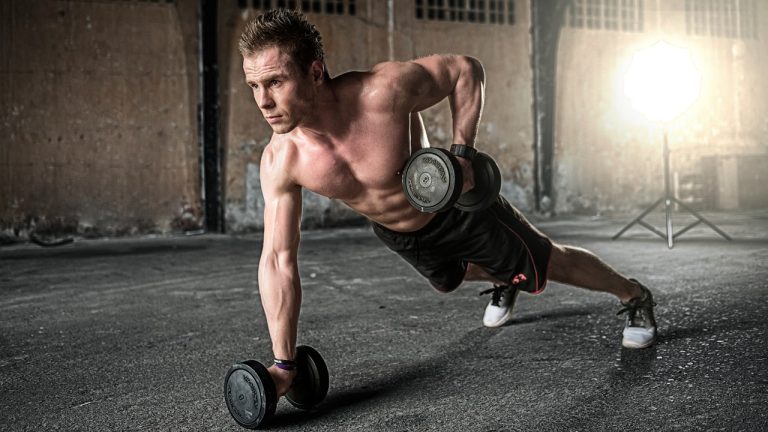
- Push-ups: Targets your chest, shoulders, and triceps. (Modify on your knees if needed)
- Rows: Strengthens your back and biceps. (With resistance band or dumbbells)
- Overhead Press: Works your shoulders and triceps. (With dumbbells or resistance band)
- Plank: Strengthens your core. (Hold for 30-60 seconds)
- Cool-down (5-10 minutes): Static stretching, holding each stretch for 30 seconds.
Exercise Variations and Modifications
- Squats: Bodyweight squats, goblet squats (holding a dumbbell), jump squats.
- Push-ups: Wall push-ups, incline push-ups, decline push-ups.
- Rows: Resistance band rows (seated or standing), dumbbell rows.
- Overhead Press: Seated dumbbell overhead press, standing resistance band overhead press.
- Plank: Forearm plank, high plank, side plank.
- If an exercise feels too difficult, modify it to make it easier. If it’s too easy, increase the resistance or repetitions.
Proper Form and Injury Prevention
Importance of Correct Form
Using proper form is crucial for maximizing results and preventing injuries. Focus on controlled movements and engaging the correct muscles. If you’re unsure about proper form, watch videos or consult a fitness professional.
Common Mistakes to Avoid
- Rounding your back during squats or deadlifts: This can lead to back injuries.
- Using momentum to lift weights: This reduces muscle activation and increases the risk of injury.
- Locking your joints: Keep a slight bend in your elbows and knees to prevent strain.
- Holding your breath: Breathe in during the eccentric (lowering) phase of the exercise and exhale during the concentric (lifting) phase.
Listening to Your Body
Pay attention to your body and stop if you experience any pain. It’s normal to feel muscle soreness after a workout, but sharp or persistent pain is a sign of injury. Don’t push yourself too hard, especially when starting out.
Warm-up and Cool-down
Always warm up before each workout and cool down afterward. Warming up prepares your muscles for exercise, while cooling down helps them recover.
Staying Motivated and Tracking Progress
Setting Realistic Goals
Set achievable goals to stay motivated. Start small and gradually increase the intensity and duration of your workouts. Examples include:
- “I will workout for 30 minutes, 3 times a week.”
- “I will increase the weight I’m lifting by 2 lbs each week.”
- “I will improve my plank hold time by 5 seconds each week.”
Tracking Your Progress
Keep track of your workouts to monitor your progress and stay motivated. You can use a workout journal, a fitness app, or a spreadsheet to record your exercises, sets, repetitions, and weight used.
Finding an Accountability Partner
Working out with a friend or family member can help you stay motivated and accountable. You can also join online fitness communities for support and encouragement.
Varying Your Workouts
Avoid boredom by varying your workouts. Try new exercises, change the order of your exercises, or increase the intensity. This will also help prevent plateaus.
Conclusion
Home resistance training is a powerful tool for achieving your fitness goals. By understanding the principles of resistance training, setting up a suitable workout space, designing an effective program, and prioritizing proper form and safety, you can build muscle, improve your fitness, and enhance your overall well-being, all from the comfort of your home. Stay consistent, listen to your body, and celebrate your progress. You’ve got this!