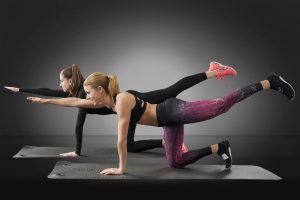
Unlocking your physical potential doesn’t always require a gym membership or fancy equipment. A well-structured home strength plan can be just as effective, allowing you to build muscle, increase strength, and improve overall fitness from the comfort of your own home. This guide will provide you with everything you need to create a personalized and effective home strength training program, regardless of your current fitness level.
Understanding the Benefits of Home Strength Training
Convenience and Accessibility
- Time-saving: Eliminate travel time to and from the gym. You can fit in a workout whenever you have a spare 30-60 minutes.
- Cost-effective: No gym fees or expensive equipment are necessary to get started.
- Privacy and comfort: Exercise in the comfort and privacy of your own home, without feeling self-conscious.
- Flexibility: Adapt your workouts to fit your schedule and personal preferences.
Physical and Mental Health Improvements
- Increased muscle mass and strength: Strength training helps build muscle, which improves your metabolism and overall physical strength. Studies show that even bodyweight exercises can significantly increase muscle mass and strength over time.
- Improved bone density: Weight-bearing exercises help strengthen bones and reduce the risk of osteoporosis. The National Osteoporosis Foundation recommends strength training exercises to build and maintain strong bones.
- Enhanced cardiovascular health: While not traditionally seen as cardio, strength training improves heart health by reducing blood pressure and improving cholesterol levels.
- Boosted mood and reduced stress: Exercise releases endorphins, which have mood-boosting and stress-reducing effects.
- Improved functional fitness: Strength training makes everyday activities, such as lifting groceries or climbing stairs, easier and less taxing on your body.
Designing Your Home Strength Training Program
Assessing Your Fitness Level
- Beginner: If you’re new to strength training, start with bodyweight exercises and focus on proper form.
- Intermediate: If you have some experience, incorporate resistance bands or light dumbbells into your workouts.
- Advanced: If you’re experienced and have access to more equipment, use heavier weights and more challenging exercises.
- Self-Assessment: Perform a quick self-assessment by trying to perform basic exercises like push-ups, squats, and lunges. Note how many repetitions you can do with good form before fatigue sets in. This will help you gauge your starting point.
Choosing the Right Exercises
- Compound Exercises: Prioritize compound exercises, which work multiple muscle groups simultaneously. Examples include:
Squats: Targets quads, glutes, and hamstrings.
Push-ups: Targets chest, shoulders, and triceps.
Lunges: Targets quads, glutes, and hamstrings.
Rows: Targets back and biceps (can be done with resistance bands or dumbbells).
Plank: Targets core muscles.
- Isolation Exercises: Include isolation exercises to target specific muscle groups. Examples include:
Bicep curls: Targets biceps (using dumbbells or resistance bands).
Tricep extensions: Targets triceps (using dumbbells or resistance bands).
Calf raises: Targets calf muscles.
- Sample Workout Routine (Beginner):
Squats: 3 sets of 10-12 repetitions
Push-ups: 3 sets of as many repetitions as possible (AMRAP)
Lunges: 3 sets of 10-12 repetitions per leg
Plank: 3 sets, holding for 30-60 seconds
Rest 60-90 seconds between sets.
Determining Sets, Reps, and Rest Times
- Reps: The number of times you perform an exercise in one set.
Strength Building (1-5 reps): Use heavier weights or more challenging variations.
Muscle Hypertrophy (6-12 reps): A good range for building muscle size.
Muscular Endurance (15+ reps): Focuses on improving muscle stamina.
- Sets: The number of rounds you perform for each exercise. Aim for 3-4 sets per exercise.
- Rest Times:
Heavy Weights (1-5 reps): 2-3 minutes rest between sets.
Moderate Weights (6-12 reps): 60-90 seconds rest between sets.
Light Weights (15+ reps): 30-60 seconds rest between sets.
Essential Equipment for Home Strength Training
Minimal Equipment Options
- Bodyweight: The most basic and accessible form of resistance. Effective for exercises like squats, push-ups, planks, and lunges.
- Resistance Bands: Versatile and portable, resistance bands offer varying levels of resistance and can be used for a wide range of exercises. They are affordable and easy to store.
- Jump Rope: Excellent for cardio and can be incorporated into warm-ups or between strength training sets.
Recommended Equipment for Progression
- Dumbbells: A good starting point for adding external resistance. Start with a set of adjustable dumbbells to increase weight as you get stronger.
- Kettlebell: Versatile for compound movements like swings, squats, and presses.
- Pull-up Bar: A great way to work your back and biceps.
- Yoga Mat: Provides a comfortable surface for floor exercises and stretching.
Equipment Safety Tips
- Inspect equipment regularly: Check for any signs of wear and tear before each workout.
- Use proper form: Focus on technique to prevent injuries.
- Start with lighter weights: Gradually increase the weight as you get stronger.
- Ensure a safe workout environment: Clear the area of any obstacles.
Sample Home Strength Training Routines
Beginner Full-Body Routine (3 times per week)
- Warm-up: 5 minutes of light cardio (e.g., jumping jacks, high knees) and dynamic stretching (e.g., arm circles, leg swings).
- Workout:
Squats: 3 sets of 10-12 reps
Push-ups: 3 sets of AMRAP
Lunges: 3 sets of 10-12 reps per leg
Plank: 3 sets, holding for 30-60 seconds
Glute Bridges: 3 sets of 15-20 reps
- Cool-down: 5 minutes of static stretching (e.g., holding each stretch for 30 seconds).
Intermediate Full-Body Routine (3 times per week)
- Warm-up: 5 minutes of cardio and dynamic stretching.
- Workout:
Dumbbell Squats: 3 sets of 10-12 reps
Dumbbell Chest Press: 3 sets of 8-10 reps
Dumbbell Rows: 3 sets of 8-10 reps per arm
Dumbbell Lunges: 3 sets of 10-12 reps per leg
Plank with Shoulder Taps: 3 sets of 30-60 seconds
- Cool-down: 5 minutes of static stretching.
Advanced Upper/Lower Split Routine (4 times per week)
Pull-ups (or Lat Pulldowns with Resistance Band): 3 sets of AMRAP
Dumbbell Bench Press: 3 sets of 8-10 reps
Dumbbell Shoulder Press: 3 sets of 8-10 reps
Dumbbell Bicep Curls: 3 sets of 10-12 reps
Dumbbell Tricep Extensions: 3 sets of 10-12 reps
Barbell Squats (or Dumbbell Squats): 3 sets of 6-8 reps
Romanian Deadlifts: 3 sets of 8-10 reps
Walking Lunges: 3 sets of 10-12 reps per leg
Calf Raises: 3 sets of 15-20 reps
Incline Dumbbell Press: 3 sets of 8-10 reps
Dumbbell Rows: 3 sets of 8-10 reps per arm
Dumbbell Lateral Raises: 3 sets of 10-12 reps
Hammer Curls: 3 sets of 10-12 reps
Close-Grip Push-ups: 3 sets of AMRAP
Front Squats (or Goblet Squats): 3 sets of 8-10 reps
Glute Bridges (weighted): 3 sets of 12-15 reps
Hamstring Curls (with resistance band): 3 sets of 15-20 reps
* Standing Calf Raises: 3 sets of 15-20 reps
Staying Consistent and Tracking Progress
Setting Realistic Goals
- Short-term goals: Focus on consistency and proper form. For example, “Complete 3 workouts per week for the next month.”
- Long-term goals: Aim for measurable improvements in strength and muscle mass. For example, “Increase my squat weight by 20 lbs in 6 months.”
- SMART Goals: Ensure your goals are Specific, Measurable, Achievable, Relevant, and Time-bound.
Tracking Your Progress
- Workout Journal: Record the exercises, sets, reps, and weights used in each workout.
- Progress Photos: Take progress photos every few weeks to track changes in your body composition.
- Measurements: Measure your waist, hips, and other body parts regularly to track changes in size.
- Strength Tests: Periodically test your strength on exercises like squats, push-ups, and rows to monitor your progress.
Overcoming Plateaus
- Increase Intensity: Gradually increase the weight or resistance.
- Change Exercises: Introduce new exercises to challenge your muscles in different ways.
- Adjust Sets and Reps: Vary the number of sets and reps to stimulate muscle growth.
- Take Rest Days: Ensure you are getting enough rest to allow your muscles to recover and rebuild. Studies show that adequate rest is crucial for muscle growth and strength gains.
- Nutrition and Hydration: Ensure you are consuming enough protein and staying hydrated to support muscle growth and recovery.
Conclusion
A home strength plan offers a convenient, cost-effective, and highly adaptable way to achieve your fitness goals. By understanding the benefits, designing a personalized program, and staying consistent with your workouts, you can build strength, improve your health, and transform your body from the comfort of your own home. Remember to start slowly, focus on proper form, and gradually increase the intensity as you get stronger. With dedication and perseverance, you can achieve remarkable results.