Stepping into the world of home fitness can feel like navigating a jungle of exercise routines, equipment recommendations, and conflicting advice. But don’t let the initial overwhelm deter you! Starting your fitness journey at home is an incredibly convenient and effective way to improve your health, boost your energy, and achieve your wellness goals. This guide is designed specifically for home fitness beginners, providing you with the knowledge and tools you need to kickstart a sustainable and enjoyable workout routine from the comfort of your own space.
Setting Realistic Fitness Goals for Beginners
The foundation of any successful fitness journey is setting clear, achievable goals. Vague aspirations like “getting in shape” are difficult to measure and maintain motivation for. Instead, focus on SMART goals: Specific, Measurable, Achievable, Relevant, and Time-bound.
Defining Your “Why”
- Understanding Your Motivation: Why do you want to start exercising at home? Is it to improve your cardiovascular health, build strength, lose weight, or simply boost your mood? Identifying your core motivation will help you stay focused and committed, especially on days when you lack motivation.
- Example: Instead of “I want to lose weight,” try “I want to lose 10 pounds in the next three months by working out at home three times a week for 30 minutes and following a healthier eating plan.”
Breaking Down Larger Goals
- Small, Manageable Steps: Break down your overall fitness goals into smaller, more manageable steps. This prevents overwhelm and allows you to celebrate small victories along the way, boosting your confidence and momentum.
- Example: If your long-term goal is to run a 5k, start by walking for 30 minutes three times a week. Gradually increase the duration and intensity of your walks until you can comfortably jog for short intervals.
- Actionable Takeaway: Define your “why” and create SMART goals to provide direction and motivation for your home fitness journey.
Creating Your Home Workout Space
You don’t need a fancy gym to get a great workout at home. All you need is a dedicated space that is safe, comfortable, and conducive to exercise.
Choosing the Right Location
- Consider Size and Ventilation: Select an area with enough space to move freely without bumping into furniture or obstacles. Good ventilation is essential to prevent overheating and ensure comfortable breathing.
- Minimize Distractions: Choose a location away from common distractions such as the television, computer, or household chores. A quiet space will help you stay focused on your workout.
- Natural Light: If possible, opt for a space with natural light. Sunlight can boost your mood and energy levels, making your workouts more enjoyable.
Basic Equipment Essentials
- Beginner-Friendly Options: You don’t need a lot of equipment to get started. Focus on basic items that offer versatility and allow you to perform a wide range of exercises.
Yoga Mat: Provides cushioning and grip for floor exercises like planks, push-ups, and stretching.
Resistance Bands: Offer a portable and affordable way to add resistance to your workouts and target different muscle groups.
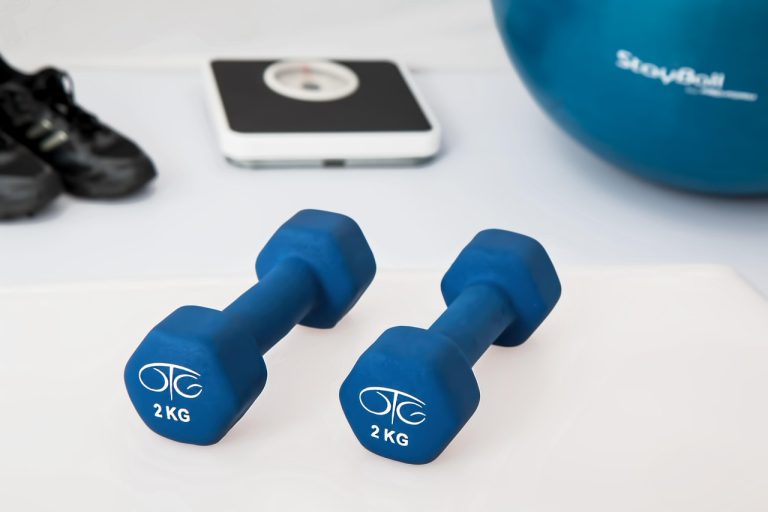
Dumbbells: Start with light dumbbells (2-5 pounds) to build strength gradually.
- Optional Enhancements: As you progress, you can consider adding more advanced equipment to your home gym.
Adjustable Dumbbells: Offer a wider range of weight options in a compact design.
Jump Rope: Provides a great cardio workout and improves coordination.
Stability Ball: Enhances core strength and balance.
- Actionable Takeaway: Set up a dedicated workout space with minimal distractions and equip it with beginner-friendly essentials like a yoga mat, resistance bands, and light dumbbells.
Designing a Beginner-Friendly Workout Routine
Consistency is key when it comes to home fitness. Create a workout routine that you can stick to, even on busy days.
Sample Weekly Schedule
- Start Slow: Begin with 2-3 workouts per week, lasting 20-30 minutes each. Gradually increase the frequency and duration of your workouts as you get stronger.
- Example Schedule:
Monday: Strength Training (bodyweight exercises and light dumbbells)
Wednesday: Cardio (brisk walking, jogging, or dancing)
Friday: Yoga or Pilates (focus on flexibility and core strength)
- Rest and Recovery: Allow your body adequate rest between workouts to prevent injuries and promote muscle recovery.
- Active Recovery: Include low-intensity activities like walking or stretching on your rest days to improve blood flow and reduce muscle soreness.
Sample Beginner Workout
Jumping jacks (30 seconds)
Arm circles (30 seconds forward, 30 seconds backward)
High knees (30 seconds)
Butt kicks (30 seconds)
Dynamic stretches (e.g., leg swings, torso twists)
Squats (10-12 repetitions)
Push-ups (as many repetitions as possible (AMRAP))
Lunges (10-12 repetitions per leg)
Plank (hold for 30 seconds)
Dumbbell rows (10-12 repetitions per arm)
Crunches (15-20 repetitions)
Repeat the circuit 2-3 times with 1-minute rest between circuits.
Static stretches (hold each stretch for 30 seconds)
* Examples: hamstring stretch, quad stretch, calf stretch, shoulder stretch, triceps stretch.
- Actionable Takeaway: Create a beginner-friendly workout routine that includes a mix of strength training, cardio, and flexibility exercises. Remember to warm up before each workout and cool down afterward.
Staying Motivated and Consistent
Maintaining motivation is a common challenge for home fitness beginners. Here are some tips to help you stay on track.
Tracking Your Progress
- Record Your Workouts: Keep a workout log to track your progress. Note the exercises you performed, the number of repetitions, and the weight you used. This will help you see how far you’ve come and identify areas for improvement.
- Take Progress Photos: Capture photos of yourself every few weeks to visually track your progress. This can be a powerful motivator, especially when you’re not seeing results on the scale.
- Use Fitness Apps: Utilize fitness apps to track your workouts, monitor your calorie intake, and connect with other fitness enthusiasts. Many apps offer personalized workout plans and motivational challenges.
Finding an Accountability Partner
- Share Your Goals: Tell a friend, family member, or coworker about your fitness goals and ask them to hold you accountable.
- Workout Together: If possible, exercise with your accountability partner. This can make workouts more enjoyable and increase your likelihood of sticking to your routine.
- Celebrate Successes: Share your progress and celebrate your achievements with your accountability partner. This will help you stay motivated and maintain momentum.
Making it Fun!
- Variety is Key: Prevent boredom by incorporating variety into your workouts. Try new exercises, explore different workout styles, or listen to upbeat music.
- Find What You Enjoy: Experiment with different types of exercises until you find activities that you genuinely enjoy. This will make your workouts feel less like a chore and more like a fun hobby.
- Reward Yourself (Healthy Rewards): Celebrate your milestones with healthy rewards such as a new workout outfit, a relaxing massage, or a weekend getaway.
- Actionable Takeaway: Track your progress, find an accountability partner, and make your workouts fun by incorporating variety and rewarding yourself for reaching milestones.
Nutrition for Home Fitness Beginners
Exercise is only one piece of the puzzle. To maximize your results, it’s essential to fuel your body with a healthy and balanced diet.
Focus on Whole Foods
- Prioritize Nutrient-Dense Foods: Build your diet around whole, unprocessed foods such as fruits, vegetables, lean proteins, and whole grains. These foods provide essential nutrients to support your workouts and overall health.
- Limit Processed Foods: Reduce your intake of processed foods, sugary drinks, and unhealthy fats. These foods are often high in calories and low in nutrients, which can hinder your progress.
- Hydration is Key: Drink plenty of water throughout the day to stay hydrated and support optimal performance.
Sample Beginner Meal Plan
- Breakfast: Oatmeal with berries and nuts, or Greek yogurt with fruit and granola.
- Lunch: Salad with grilled chicken or fish, or a whole-wheat sandwich with lean protein and vegetables.
- Dinner: Baked salmon with roasted vegetables, or a lean ground turkey stir-fry with brown rice.
- Snacks: Fruits, vegetables, nuts, or yogurt.
Pre- and Post-Workout Nutrition
- Fuel Your Workouts: Consume a light snack 30-60 minutes before your workout to provide energy. Good options include a banana, a handful of almonds, or a protein bar.
- Replenish Your Body: Consume a protein-rich snack or meal within 30-60 minutes after your workout to help repair and rebuild muscle tissue. Good options include a protein shake, Greek yogurt, or a chicken breast with vegetables.
- Actionable Takeaway: Focus on eating whole, unprocessed foods and ensure you are adequately hydrated. Consume a light snack before your workout and a protein-rich snack or meal afterward to fuel your body and support muscle recovery.
Conclusion
Embarking on a home fitness journey as a beginner can be incredibly rewarding. By setting realistic goals, creating a comfortable workout space, designing a beginner-friendly routine, staying motivated, and prioritizing nutrition, you can achieve your fitness goals and improve your overall well-being. Remember to be patient with yourself, celebrate your progress, and most importantly, enjoy the journey!