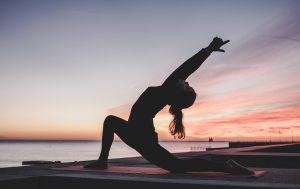
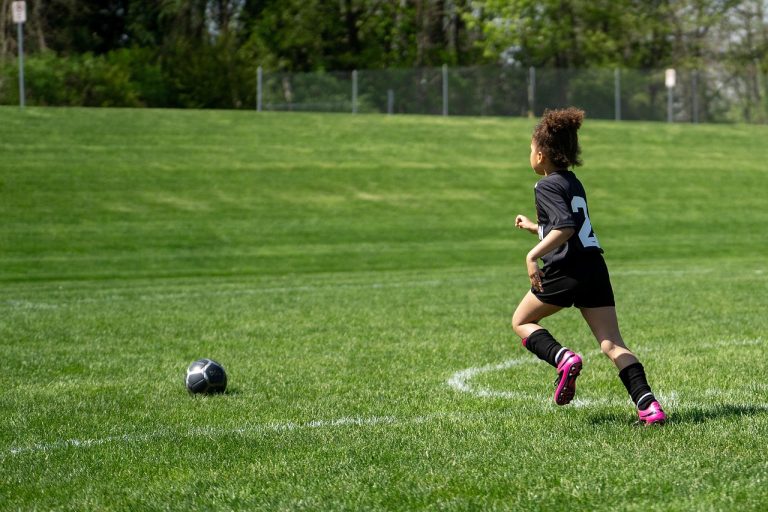
Movement workouts aren’t just about burning calories or building muscle; they’re about reclaiming your body’s natural ability to move freely and efficiently. They focus on improving flexibility, coordination, and overall body awareness, leading to a more resilient and functional physique. If you’re tired of rigid routines and crave a workout that feels more like play, exploring the world of movement workouts might be exactly what you need.
What is a Movement Workout?
Defining Movement Workouts
Movement workouts, unlike traditional strength training or cardio, prioritize natural, multi-planar movements. Think crawling, rolling, balancing, and flowing transitions. The goal is to enhance your body’s ability to adapt to various physical demands, promoting longevity and injury prevention.
Key Principles of Movement Workouts
- Mind-Body Connection: Movement workouts require you to be present and aware of your body’s position and movement in space.
- Multi-Planar Movement: Exercises involve moving in all three planes of motion (sagittal, frontal, and transverse), mimicking real-life activities.
- Progressive Overload: Gradually increasing the complexity or duration of movements to challenge your body and promote adaptation.
- Functional Strength: Building strength that translates to everyday tasks and activities.
- Playfulness and Exploration: Encouraging creativity and experimentation with different movement patterns.
Why Choose a Movement Workout?
- Improves mobility and flexibility
- Enhances coordination and balance
- Promotes body awareness and proprioception
- Reduces risk of injury
- Increases functional strength
- Makes exercise more enjoyable and engaging
Benefits of Movement Training
Enhanced Mobility and Flexibility
Movement workouts actively target joint mobility and muscle flexibility. Instead of static stretches, you’ll engage in dynamic movements that lubricate joints, lengthen muscles, and improve range of motion.
- Example: A simple arm circle progression. Start with small circles and gradually increase the size, moving through the full range of motion in the shoulder joint. This improves shoulder mobility and reduces stiffness.
Improved Coordination and Balance
Movement workouts challenge your nervous system to coordinate complex movements, leading to improved balance and coordination.
- Example: Bear crawls. This exercise requires coordination between your arms and legs, core stability, and balance. Regular practice can significantly improve these aspects of your fitness.
Injury Prevention
By strengthening stabilizing muscles, improving joint mobility, and promoting body awareness, movement workouts significantly reduce the risk of injuries.
- Statistics: Studies have shown that individuals with better balance and proprioception are less likely to experience ankle sprains and falls. Movement workouts directly address these factors.
Increased Functional Strength
Unlike isolated exercises, movement workouts engage multiple muscle groups simultaneously, building functional strength that translates to everyday tasks.
- Example: A squat pattern, focusing on hinging at the hips and maintaining proper spinal alignment. This exercise builds strength in the legs, glutes, and core, making everyday activities like lifting objects easier and safer.
Getting Started with Movement Workouts
Assessing Your Current Movement Patterns
Before diving into complex movements, it’s crucial to assess your current movement patterns. Identify any limitations or imbalances that may need to be addressed.
- Self-Assessment: Perform simple movements like squats, lunges, and overhead reaches. Pay attention to any pain, stiffness, or limitations in range of motion.
- Professional Assessment: Consider consulting with a movement specialist or physical therapist for a more thorough assessment and personalized recommendations.
Foundational Movements
Mastering foundational movements is essential for building a solid base for more complex exercises.
- Squats: Focus on proper form, engaging the glutes and core.
- Hinges: Learn to hinge at the hips while maintaining a neutral spine.
- Crawls: Practice bear crawls, leopard crawls, and other crawling variations.
- Rolls: Explore different rolling patterns to improve spinal mobility and coordination.
Sample Beginner Workout Routine
Here’s a sample beginner movement workout routine:
Warm-up (5 minutes): Arm circles, leg swings, torso twists.
Crawling (5 minutes): Bear crawls or leopard crawls.
Squats (3 sets of 10-12 reps): Bodyweight squats, focusing on proper form.
Hinges (3 sets of 10-12 reps): Hip hinges, focusing on engaging the glutes and hamstrings.
Rolling (5 minutes): Log rolls or lateral rolls.
Cool-down (5 minutes): Static stretches, focusing on major muscle groups.
Movement Workout Examples and Exercises
Animal Flow
Animal Flow is a ground-based movement practice that incorporates animalistic movements to build strength, flexibility, and coordination.
- Key Movements: Ape, Beast, Crab, Scorpion Reach.
- Benefits: Improves body awareness, builds functional strength, enhances mobility.
Capoeira
Capoeira is a Brazilian martial art that combines elements of dance, acrobatics, and music.
- Key Movements: Ginga, Au, Queda de Rins.
- Benefits: Improves agility, coordination, flexibility, and cardiovascular fitness.
Gymnastics-Inspired Movements
Incorporating gymnastics-inspired movements can significantly improve strength, balance, and body control.
- Key Movements: Handstands, Cartwheels, Rolls.
- Benefits: Builds upper body strength, improves balance, enhances spatial awareness.
Flow-Based Training
Flow-based training involves stringing together a series of movements in a seamless and continuous flow.
- Key Principles: Smooth transitions, breath synchronization, mindful movement.
- Benefits: Improves coordination, enhances body awareness, promotes relaxation.
Integrating Movement Workouts into Your Fitness Routine
Combining Movement with Traditional Training
Movement workouts can be seamlessly integrated into your existing fitness routine. Consider using them as a warm-up, cool-down, or active recovery session.
- Warm-up: Use movement exercises to prepare your body for more intense training.
- Cool-down: Incorporate gentle movements to promote recovery and reduce muscle soreness.
- Active Recovery: Engage in light movement workouts on rest days to improve circulation and reduce inflammation.
Designing a Movement-Focused Program
To design a movement-focused program, prioritize movements that address your specific needs and goals.
- Identify Your Goals: Are you looking to improve mobility, strength, coordination, or overall fitness?
- Choose Appropriate Exercises: Select exercises that target your specific goals.
- Progress Gradually: Start with basic movements and gradually progress to more complex variations.
- Listen to Your Body: Pay attention to any pain or discomfort and adjust your program accordingly.
Sample Weekly Schedule
- Monday: Strength Training
- Tuesday: Movement Workout (Focus on mobility and coordination)
- Wednesday: Rest or Active Recovery (Light walking or swimming)
- Thursday: Strength Training
- Friday: Movement Workout (Focus on strength and flow)
- Saturday: Outdoor Activity (Hiking, biking, or swimming)
- Sunday: Rest
Conclusion
Movement workouts offer a refreshing and effective approach to fitness, focusing on natural, multi-planar movements that improve mobility, coordination, and overall body awareness. By incorporating movement training into your routine, you can unlock your body’s full potential and enjoy a more functional, resilient, and enjoyable way of moving through life. Start small, be patient, and embrace the joy of movement!