Stepping into the world of fitness can feel overwhelming, especially when gym memberships and complicated equipment seem like prerequisites. But the truth is, you can achieve significant health and fitness improvements right from the comfort of your own home! Home workouts offer a fantastic and accessible entry point for beginners, providing a flexible and cost-effective way to build strength, improve cardiovascular health, and boost your overall well-being. This guide will provide you with everything you need to start your home workout journey successfully.
Why Choose Home Workouts?
Convenience and Flexibility
- Time Savings: Eliminate travel time to and from the gym. You can squeeze in a quick workout during lunch breaks or before/after work without disrupting your schedule.
- Workout On Your Own Schedule: No need to adhere to gym hours or class schedules. Workout whenever it suits you best.
- Increased Privacy: Feel more comfortable exercising without the presence of others, especially when you’re just starting out. This can help reduce self-consciousness and build confidence.
Cost-Effectiveness
- No Gym Membership Fees: Save significant money by avoiding monthly or annual gym membership costs. According to Statista, the average monthly cost of a gym membership in the US is $37.71. Home workouts offer a free or low-cost alternative.
- Minimal Equipment Needed: Start with bodyweight exercises and gradually add inexpensive equipment like resistance bands or dumbbells as you progress.
- Free Online Resources: Access a wealth of free workout videos and programs on platforms like YouTube and fitness blogs.
Accessibility and Comfort
- Workout Anywhere: Whether you’re at home, traveling, or visiting family, you can always find space for a quick workout.
- Familiar Environment: Exercise in a comfortable and familiar setting where you feel relaxed and at ease.
- Personalized Workout Space: Customize your workout area to your liking with your favorite music, lighting, and decorations.
Getting Started: Essential Steps
Assess Your Current Fitness Level
- Self-Assessment: Perform simple tests like push-ups, sit-ups, and squats to gauge your current strength and endurance.
- Consult a Doctor: If you have any underlying health conditions, consult with your doctor before starting a new exercise program. They can provide personalized recommendations and identify any potential risks.
- Set Realistic Goals: Start with small, achievable goals, such as working out for 30 minutes three times a week. Gradually increase the intensity and duration as you get fitter.
Create a Workout Space
- Designated Area: Choose a dedicated space in your home for your workouts. This helps create a routine and minimizes distractions.
- Clear Obstacles: Ensure the area is free from clutter and obstacles to prevent injuries.
- Good Lighting and Ventilation: Opt for a well-lit and ventilated space to enhance your workout experience.
Gather Basic Equipment (Optional)
- Yoga Mat: Provides cushioning and support for floor exercises.
- Resistance Bands: Offer a versatile and portable way to add resistance to your workouts. A set of resistance bands can cost as little as $15.
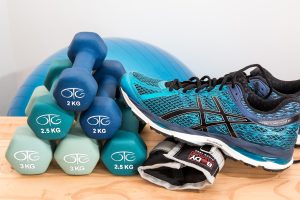
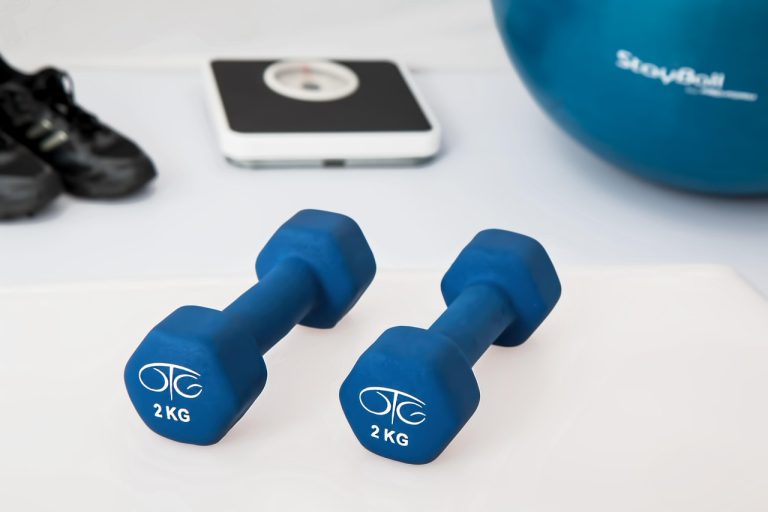
- Dumbbells: A pair of light dumbbells (3-5 lbs) can add intensity to your exercises.
- Comfortable Workout Clothes and Shoes: Essential for unrestricted movement and injury prevention.
Beginner-Friendly Home Workout Routine
Warm-Up (5-10 Minutes)
- Purpose: Prepares your muscles for exercise and reduces the risk of injury.
- Examples:
Cardio: Jumping jacks, high knees, butt kicks, arm circles (2 minutes)
Dynamic Stretching: Arm swings, leg swings, torso twists (3-5 repetitions per side)
- Focus: Increase blood flow and range of motion.
Bodyweight Exercises (20-30 Minutes)
- Squats: Targets legs and glutes. Stand with feet shoulder-width apart, lower your hips as if sitting in a chair, and return to the starting position. (10-12 repetitions)
- Push-Ups: Strengthens chest, shoulders, and triceps. Start in a plank position, lower your body towards the floor, and push back up. Modify by performing push-ups on your knees if needed. (As many repetitions as possible, with good form)
- Lunges: Works legs and glutes. Step forward with one leg, lower your body until both knees are bent at 90 degrees, and return to the starting position. Alternate legs. (10-12 repetitions per leg)
- Plank: Engages core muscles. Hold a push-up position with your forearms on the ground, keeping your body in a straight line. (Hold for 30-60 seconds)
- Glute Bridges: Targets glutes and hamstrings. Lie on your back with knees bent and feet flat on the floor. Lift your hips off the ground, squeezing your glutes, and return to the starting position. (12-15 repetitions)
Cool-Down (5-10 Minutes)
- Purpose: Gradually lowers your heart rate and prevents muscle soreness.
- Examples:
* Static Stretching: Hold each stretch for 30 seconds. Examples: hamstring stretch, quad stretch, triceps stretch, shoulder stretch.
- Focus: Increase flexibility and reduce muscle tension.
Sample Weekly Schedule
- Monday: Full Body Workout (as described above)
- Tuesday: Rest or Light Activity (walking, yoga)
- Wednesday: Full Body Workout
- Thursday: Rest or Light Activity
- Friday: Full Body Workout
- Saturday: Rest or Active Recovery (stretching, foam rolling)
- Sunday: Rest
Staying Motivated and Consistent
Set Realistic and Achievable Goals
- SMART Goals: Make your goals Specific, Measurable, Achievable, Relevant, and Time-bound. For example, “I will work out for 30 minutes, three times a week, for the next month.”
- Track Your Progress: Monitor your workouts and celebrate your achievements. Use a fitness journal, app, or wearable device to track your progress.
Find an Accountability Partner
- Shared Goals: Workout with a friend or family member who has similar fitness goals.
- Mutual Support: Encourage each other and hold each other accountable for sticking to your workout routine.
Make It Enjoyable
- Choose Activities You Like: Select exercises and workouts that you find enjoyable.
- Listen to Music or Podcasts: Create a motivating playlist or listen to your favorite podcasts during your workouts.
- Reward Yourself: Celebrate your progress with non-food rewards, such as a new workout outfit or a relaxing massage.
Conclusion
Embarking on a home workout journey is a fantastic way for beginners to improve their fitness, health, and overall well-being. By understanding the benefits, setting up a suitable workout space, starting with a beginner-friendly routine, and staying motivated, you can achieve significant results without ever stepping foot in a gym. Remember to listen to your body, progress gradually, and make exercise a sustainable part of your lifestyle. So, roll out that yoga mat, put on your workout gear, and get ready to experience the transformative power of home workouts!