Physical Address
304 North Cardinal St.
Dorchester Center, MA 02124
Physical Address
304 North Cardinal St.
Dorchester Center, MA 02124


Embarking on a home fitness journey can feel daunting, but it’s one of the most rewarding investments you can make in your health and well-being. Forget expensive gym memberships and crowded classes – transforming your body and boosting your energy levels can start right in your living room. This comprehensive guide will walk you through the essentials of building a sustainable and effective home fitness routine, designed specifically for beginners. Get ready to ditch the excuses and embrace a healthier, happier you!
Before you even think about dumbbells or yoga mats, take a moment to consider why you want to get fit at home. Is it to lose weight, gain strength, improve your overall health, or boost your mood? Identifying your motivation is crucial for staying committed when the initial excitement fades.
Use the SMART goal framework to ensure your objectives are achievable and trackable:
The biggest mistake beginners make is trying to do too much too soon. This can lead to injuries, burnout, and ultimately, giving up. Start with short, manageable workouts and gradually increase the intensity and duration as you get stronger.
The beauty of home fitness is that you don’t need a ton of equipment to get started. Bodyweight exercises are a fantastic way to build strength, improve cardiovascular health, and increase flexibility.
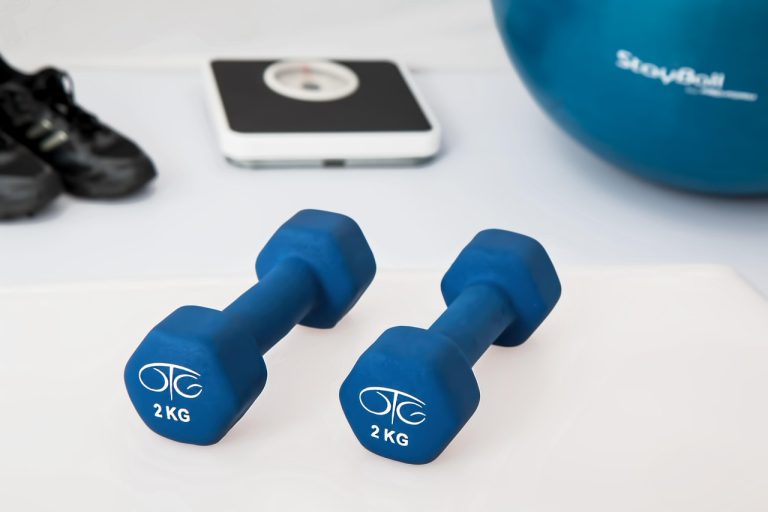
If you’re looking to add a little more variety and challenge to your workouts, consider investing in a few affordable pieces of equipment:
Designate a specific area in your home for your workouts. This will help you stay focused and motivated. It doesn’t have to be a large space – just enough room to move around comfortably. Ensure you have adequate lighting and ventilation.
Here’s a sample workout schedule for beginners, focusing on full-body exercises:
This workout can be completed in 30 minutes and requires no equipment:
Never skip your warm-up and cool-down. Warming up prepares your muscles for exercise, reducing the risk of injury. Cooling down helps your body gradually recover and reduces muscle soreness.
Proper nutrition is just as important as exercise. Focus on eating a balanced diet that includes:
Drink plenty of water throughout the day, especially before, during, and after your workouts. Dehydration can lead to fatigue, muscle cramps, and decreased performance. Aim for at least 8 glasses of water per day.
Limit your intake of processed foods, sugary drinks, and unhealthy fats. These foods offer little nutritional value and can hinder your fitness progress.
Consider using a fitness tracker or app to monitor your activity levels, track your workouts, and set goals. This can help you stay motivated and see your progress over time.
Working out with a friend or family member can provide extra motivation and support. Schedule regular workouts together or simply check in with each other to stay on track.
Acknowledge and celebrate your progress, no matter how small. This will help you stay positive and motivated on your fitness journey.
Starting a home fitness routine is an excellent way to improve your health and well-being. By setting realistic goals, investing in minimal equipment, creating a beginner-friendly workout plan, and focusing on proper nutrition, you can achieve your fitness aspirations from the comfort of your own home. Remember to stay consistent, track your progress, and celebrate your achievements along the way. Embrace the journey, enjoy the process, and get ready to experience the incredible benefits of a fitter, healthier you!