Physical Address
304 North Cardinal St.
Dorchester Center, MA 02124
Physical Address
304 North Cardinal St.
Dorchester Center, MA 02124

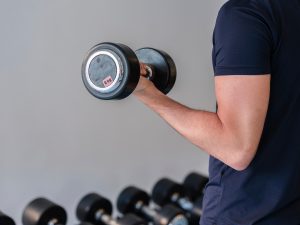
Staying fit and healthy doesn’t always require a gym membership or fancy equipment. In today’s fast-paced world, more and more people are embracing the convenience and effectiveness of fitness from home. Whether you’re short on time, prefer a private workout environment, or simply want to save money, building a home fitness routine can be a fantastic way to achieve your health goals. This guide will explore the various aspects of fitness from home, providing you with the knowledge and tools to create a personalized and effective workout plan.
First things first, you need to designate a workout space. This doesn’t necessarily require a dedicated room. Even a corner of your living room or bedroom can work. The key is to choose an area that is:
You don’t need a massive collection of weights to start. Here’s a prioritized list of equipment based on budget and fitness level:
Yoga mat: Essential for floor exercises and stretching.
Resistance bands: Versatile and affordable for various exercises.
Jump rope: Excellent for cardio and coordination.
Dumbbells (various weights): Allows for strength training progressions.
Kettlebell: Great for full-body workouts.
Pull-up bar (optional, depending on doorway): Targets upper body strength.
Adjustable weight bench: Enhances dumbbell exercises.
Barbell and weight plates: For more advanced strength training.
Exercise bike or treadmill: For dedicated cardio sessions.
Don’t feel pressured to buy everything at once. Start with the basics and gradually add equipment as you progress. You can also find great deals on used equipment through online marketplaces.
Your workout environment can significantly impact your motivation. Consider:
Before you start working out, it’s important to identify your goals. Are you aiming to:
Knowing your goals will help you tailor your workout routine to achieve the desired results.
A well-rounded home workout plan should include:
Jumping jacks (example: 3 sets of 30 seconds)
High knees (example: 3 sets of 30 seconds)
Running in place (example: 3 sets of 1 minute)
Jump roping (example: 3 sets of 1 minute)
Push-ups (example: 3 sets of as many reps as possible)
Squats (example: 3 sets of 12-15 reps)
Lunges (example: 3 sets of 10-12 reps per leg)
Plank (example: 3 sets of 30-60 seconds hold)
Dumbbell rows (if you have dumbbells; example: 3 sets of 10-12 reps per arm)
Static stretching: Holding each stretch for 30 seconds (e.g., hamstring stretch, quad stretch, calf stretch).
Dynamic stretching: Moving through a range of motion (e.g., arm circles, leg swings).
Yoga: Many free yoga videos are available online.
Aim to incorporate all three components into your weekly routine. A sample weekly schedule could look like this:
Here’s a sample beginner workout routine you can do at home with minimal equipment:
Squats: 3 sets of 10-12 reps
Push-ups (modify on your knees if needed): 3 sets of as many reps as possible
Lunges: 3 sets of 10-12 reps per leg
Plank: 3 sets of 30 seconds hold
Glute bridges: 3 sets of 15-20 reps
Remember to listen to your body and adjust the intensity and duration of your workouts as needed. Gradually increase the difficulty over time to continue challenging yourself.
Numerous workout apps and platforms offer guided workouts, personalized training plans, and progress tracking features. Some popular options include:
YouTube is a treasure trove of free workout videos. Search for workouts based on your fitness level, goals, and preferred style. Some popular fitness channels include:
When choosing online resources, be sure to select reputable sources with qualified instructors. Look for certifications and positive reviews.
Regardless of the workout source, prioritizing proper form is crucial to prevent injuries. If you’re unsure about the correct form for an exercise, consult a fitness professional or watch videos that demonstrate proper technique. Consider recording yourself exercising and compare it to professional demos. Focus on controlled movements and engage your core muscles throughout each exercise. If you feel pain, stop immediately and consult a healthcare professional.
Nutrition plays a vital role in your fitness journey. Focus on eating a balanced diet that includes:
Stay hydrated by drinking plenty of water throughout the day, especially before, during, and after your workouts.
Rest and recovery are just as important as exercise. Allow your body adequate time to recover between workouts.
Muscle soreness is a common side effect of exercise, especially after trying new workouts or increasing the intensity. To manage soreness:
To prevent injuries:
Embarking on a fitness from home journey can be incredibly rewarding. By setting up a dedicated space, crafting a balanced workout routine, leveraging online resources, and prioritizing nutrition and recovery, you can achieve your fitness goals without ever stepping foot in a gym. Remember to start slowly, listen to your body, and be patient. Consistency is key to success. With dedication and the right approach, you can transform your home into your personal fitness sanctuary and achieve a healthier, happier you.