Embarking on a fitness journey can feel daunting, especially if you’re unsure where to start. The good news is you don’t need a fancy gym membership or expensive equipment to get in shape. Home workouts offer a convenient and effective way to improve your health and well-being. This guide provides a comprehensive introduction to home workouts for beginners, covering everything from setting up your space to mastering essential exercises. So, let’s dive in and discover how to kickstart your fitness journey from the comfort of your own home.
Setting Up Your Home Workout Space
Finding the Right Spot
Creating a dedicated workout space is crucial for staying consistent. You don’t need a lot of room; even a small corner can work wonders.
- Choose a comfortable area: Select a space with enough room to move freely without bumping into furniture.
- Good lighting: Ensure adequate lighting for safety and motivation.
- Minimal distractions: Try to pick a spot away from the television or other potential distractions.
- Flooring considerations: If you have hardwood or tile floors, consider using a yoga mat for cushioning and grip.
Essential Equipment (and Alternatives)
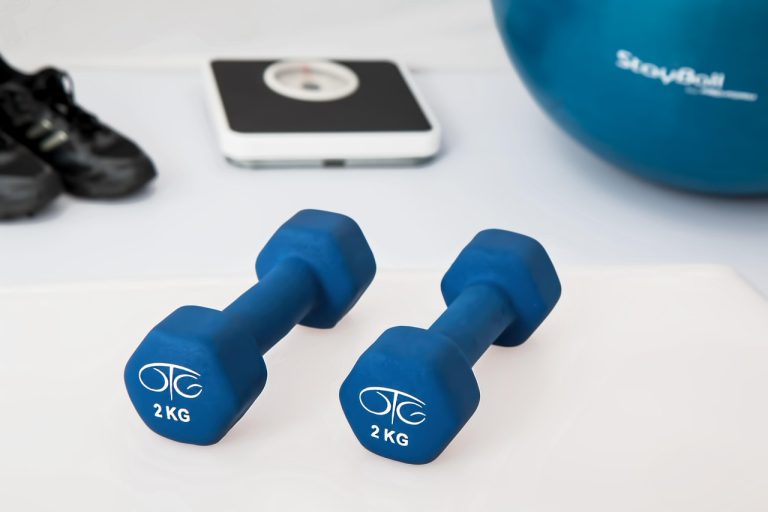
While you can achieve a lot with just your body weight, a few affordable pieces of equipment can enhance your workouts.
- Yoga mat: Provides cushioning and stability for floor exercises.
- Resistance bands: Versatile tools for adding resistance to various exercises.
- Dumbbells: Start with a light set (2-5 lbs) to gradually increase strength. (Alternatives: water bottles or canned goods)
- Jump rope: An excellent cardio option that requires minimal space. (Alternative: jogging in place)
- Chair or bench: Useful for exercises like step-ups and tricep dips.
Safety First!
Prioritizing safety is paramount when working out at home.
- Clear the area: Ensure your workout space is free of obstacles that could cause trips or falls.
- Proper footwear: Wear supportive athletic shoes.
- Hydration: Keep a water bottle nearby to stay hydrated.
- Listen to your body: Don’t push yourself too hard, especially when starting. Stop if you feel pain.
Essential Beginner Exercises
Warm-Up Exercises
A proper warm-up prepares your body for exercise and reduces the risk of injury.
- Cardio warm-up: 5 minutes of light cardio, such as jogging in place, jumping jacks, or high knees.
- Dynamic stretching: Perform dynamic stretches like arm circles, leg swings, and torso twists for 5 minutes.
Arm circles: 10 forward and 10 backward.
Leg swings: 10 forward and 10 sideways for each leg.
Torso Twists: 10 repetitions each side.
Bodyweight Strength Training
These exercises use your body weight as resistance, making them perfect for beginners.
- Squats: Stand with feet shoulder-width apart, lower your hips as if sitting in a chair, and return to the starting position. (3 sets of 10-12 repetitions)
- Push-ups: Start in a plank position, lower your chest towards the floor, and push back up. (3 sets, as many repetitions as possible (AMRAP)) (Modification: Do them on your knees.) According to the American College of Sports Medicine, even modified push-ups can significantly improve upper body strength.
- Lunges: Step forward with one leg, lower your hips until both knees are bent at 90 degrees, and return to the starting position. Alternate legs. (3 sets of 10-12 repetitions per leg)
- Plank: Hold a plank position, engaging your core muscles. Keep your body in a straight line from head to heels. (Hold for 30-60 seconds, 3 repetitions)
Cardio Exercises
Cardio exercises improve your cardiovascular health and help burn calories.
- Jumping jacks: A classic cardio exercise that elevates your heart rate. (3 sets of 30 seconds)
- High knees: Bring your knees up towards your chest while jogging in place. (3 sets of 30 seconds)
- Butt kicks: Kick your heels towards your glutes while jogging in place. (3 sets of 30 seconds)
- Jump rope: A fun and effective cardio workout. (3 sets of 1-2 minutes) According to research, even 15-20 minutes of jump rope can improve cardiovascular health.
Creating a Workout Routine
Determining Your Fitness Goals
Before starting, it’s important to define your goals.
- Weight loss: Focus on cardio and strength training to burn calories and build muscle.
- Muscle gain: Prioritize strength training with progressive overload.
- Improved cardiovascular health: Incorporate regular cardio exercises.
- Increased flexibility: Include stretching and yoga in your routine.
Sample Beginner Workout Plan (3 days per week)
Here’s a sample workout plan that you can follow as a beginner.
- Day 1: Full Body Strength
Warm-up (5 minutes)
Squats: 3 sets of 10-12 repetitions
Push-ups (modified if needed): 3 sets, AMRAP
Lunges: 3 sets of 10-12 repetitions per leg
Plank: 3 repetitions, hold for 30-60 seconds
Cool-down (5 minutes)
Warm-up (5 minutes)
Jumping jacks: 3 sets of 30 seconds
High knees: 3 sets of 30 seconds
Butt kicks: 3 sets of 30 seconds
Jump rope: 3 sets of 1-2 minutes
Cool-down (5 minutes)
- Day 3: Rest or Active Recovery
Light stretching or yoga
- Day 4: Full Body Strength (Repeat Day 1)
- Day 5: Cardio (Repeat Day 2)
- Day 6 & 7: Rest
Progression and Consistency
Gradually increasing the intensity and frequency of your workouts is key to seeing results.
- Progressive overload: Gradually increase the weight, repetitions, or sets as you get stronger.
- Consistency is key: Aim to workout at least 3 times per week to establish a routine.
- Listen to your body: Rest when needed and avoid overtraining.
Staying Motivated and Avoiding Burnout
Set Realistic Goals
Avoid setting unrealistic goals that can lead to discouragement.
- Start small: Begin with manageable goals, such as working out for 30 minutes, three times a week.
- Track your progress: Monitor your progress to see how far you’ve come.
- Celebrate your achievements: Acknowledge and celebrate your accomplishments, no matter how small.
Find an Accountability Partner
Working out with a friend or family member can help you stay motivated.
- Schedule workouts together: Plan your workouts in advance and commit to them.
- Provide encouragement: Support each other and celebrate each other’s successes.
- Challenge each other: Introduce friendly competition to make workouts more engaging.
Make it Fun!
Find activities that you enjoy to make exercise a sustainable part of your lifestyle.
- Vary your workouts: Avoid monotony by incorporating different types of exercises.
- Listen to music or podcasts: Make your workouts more enjoyable by listening to your favorite tunes or podcasts.
- Reward yourself: Treat yourself to something you enjoy after reaching your fitness goals (e.g., a massage, new workout gear).
Conclusion
Starting a home workout routine is a fantastic way to improve your fitness and overall well-being. By setting up your space, mastering essential exercises, creating a workout plan, and staying motivated, you can achieve your fitness goals from the comfort of your own home. Remember to prioritize safety, listen to your body, and celebrate your progress along the way. Embrace the journey, stay consistent, and enjoy the benefits of a healthier, fitter you!