Embarking on a home fitness journey can feel overwhelming, especially for beginners. With countless workout routines and fitness advice swirling around, knowing where to start and how to stay motivated can be daunting. But don’t worry! This comprehensive guide will break down the essential steps to help you create a sustainable and enjoyable home fitness routine that aligns with your goals and lifestyle. Get ready to transform your living room into your personal gym and discover the joy of movement!
Setting Realistic Goals
Why Goal Setting is Crucial
Before diving into exercises, it’s vital to establish clear and realistic goals. This provides direction and motivation as you progress. Vague goals like “get in shape” are difficult to track. Instead, focus on SMART goals:
- Specific: Clearly define what you want to achieve. For example, “Lose 5 pounds.”
- Measurable: Track your progress with quantifiable metrics. (e.g., weight, reps, time).
- Achievable: Set goals that are challenging but attainable. Don’t aim to run a marathon if you’ve never jogged before.
- Relevant: Your goals should align with your overall values and lifestyle.
- Time-bound: Establish a deadline to create a sense of urgency. (e.g., “Lose 5 pounds in 6 weeks”).
- Example: A SMART goal could be: “I will be able to do 10 consecutive push-ups with good form within 8 weeks.”
Types of Fitness Goals
Consider the following categories when setting your goals:
- Weight Loss: Aim for a healthy and sustainable rate of 1-2 pounds per week.
- Strength Gain: Focus on increasing the weight you lift or the number of repetitions you can perform.
- Improved Endurance: Gradually increase the duration and intensity of your cardio workouts.
- Increased Flexibility: Incorporate stretching and yoga into your routine to improve range of motion.
- Actionable Takeaway: Spend some time reflecting on your fitness aspirations and write down 2-3 SMART goals that you want to achieve. Review these goals regularly to stay on track.
Creating a Beginner-Friendly Workout Plan
Choosing the Right Exercises
When starting your home fitness journey, focus on foundational exercises that target multiple muscle groups. These compound exercises are efficient and effective for building overall strength and fitness.
- Bodyweight Exercises: These require no equipment and are perfect for beginners. Examples include:
Squats: Strengthen legs and glutes.
Push-ups: Work chest, shoulders, and triceps.
Lunges: Target legs and glutes.
Plank: Engage core muscles.
Glute Bridges: Activate glutes and hamstrings.
- Beginner-Friendly Equipment: Consider investing in a few affordable items like:
Resistance bands: Versatile for strength training and stretching.
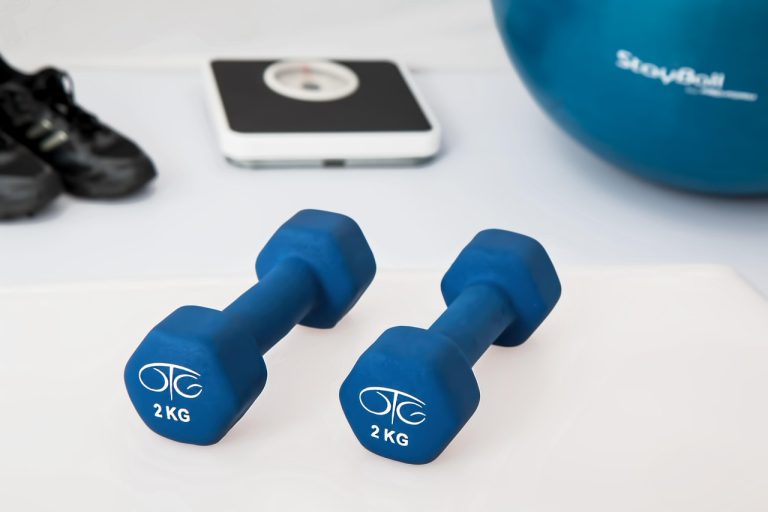
Dumbbells: Adjustable dumbbells are a great long-term investment.
Yoga mat: Provides cushioning for floor exercises.
Structuring Your Workouts
A well-structured workout plan will help you maximize your results and avoid injury. Here’s a sample beginner workout routine:
- Warm-up (5-10 minutes): Light cardio like jogging in place or jumping jacks, followed by dynamic stretches like arm circles and leg swings.
- Workout (20-30 minutes): Perform 2-3 sets of each exercise, with 10-15 repetitions.
Squats
Push-ups (modified on knees if needed)
Lunges (alternating legs)
Plank
Glute Bridges
- Cool-down (5-10 minutes): Static stretches, holding each stretch for 20-30 seconds. Examples: hamstring stretch, quad stretch, tricep stretch.
- Frequency: Aim for 3-4 workouts per week, with rest days in between to allow your muscles to recover.
- Actionable Takeaway: Create a simple workout plan based on the exercises mentioned above. Start with fewer repetitions and sets, and gradually increase as you get stronger. Remember to prioritize proper form over quantity.
Staying Motivated and Consistent
Tracking Your Progress
Monitoring your progress is essential for staying motivated and making adjustments to your routine as needed.
- Journaling: Keep a workout journal to record the exercises you perform, the weight you lift, and the number of repetitions. This helps you track your progress and identify areas for improvement.
- Taking Photos: Before-and-after photos can be a powerful motivator. Take photos every few weeks to visually track your progress.
- Using Fitness Apps: There are numerous fitness apps available that can help you track your workouts, set goals, and monitor your progress. Popular options include MyFitnessPal, Strava, and FitBit.
- Data: Studies show that people who track their fitness progress are more likely to achieve their goals.
Overcoming Obstacles
It’s normal to encounter challenges along your fitness journey. Here are some strategies for overcoming common obstacles:
- Lack of Time: Schedule your workouts like any other important appointment. Even 15-20 minutes of exercise is better than nothing.
- Lack of Motivation: Find a workout buddy or join an online fitness community for support and accountability.
- Feeling Sore: Listen to your body and take rest days when needed. Use ice or heat to relieve muscle soreness.
- Boredom: Variety is key. Switch up your workout routine regularly to keep things interesting. Try new exercises, workout videos, or different training styles.
- Actionable Takeaway: Choose one method for tracking your progress, whether it’s a journal, photos, or a fitness app. Be prepared to face challenges and have a plan in place for overcoming them.
Nutrition for Home Fitness Beginners
The Importance of a Balanced Diet
Exercise is only one piece of the puzzle. Nutrition plays a crucial role in achieving your fitness goals. A balanced diet provides your body with the fuel it needs to perform workouts and recover effectively.
- Protein: Essential for muscle repair and growth. Aim for 0.8-1 gram of protein per pound of body weight per day.
- Carbohydrates: Provide energy for your workouts. Choose complex carbohydrates like whole grains, fruits, and vegetables.
- Healthy Fats: Important for hormone production and overall health. Include sources like avocados, nuts, seeds, and olive oil.
- Hydration: Drink plenty of water throughout the day to stay hydrated and support muscle function.
Sample Meal Plan Ideas
Here are some sample meal ideas for a home fitness beginner:
- Breakfast: Oatmeal with berries and nuts, Greek yogurt with fruit, or whole-wheat toast with avocado and egg.
- Lunch: Salad with grilled chicken or fish, lentil soup, or a whole-grain sandwich with lean protein and vegetables.
- Dinner: Baked salmon with roasted vegetables, chicken stir-fry with brown rice, or a lean ground beef and vegetable stew.
- Snacks: Fruits, vegetables, nuts, seeds, yogurt, or protein bars.
- Actionable Takeaway: Evaluate your current diet and identify areas where you can make improvements. Focus on incorporating more whole, unprocessed foods and limiting your intake of processed foods, sugary drinks, and unhealthy fats.
Injury Prevention and Recovery
Proper Form and Technique
Using proper form is crucial for preventing injuries. Watch videos and carefully follow instructions when learning new exercises. Start with lighter weights or bodyweight exercises to master the technique before increasing the intensity.
Listening to Your Body
Pay attention to your body and don’t push yourself too hard, especially when starting out. If you experience any pain, stop the exercise immediately and consult with a healthcare professional if needed.
The Importance of Rest and Recovery
Rest and recovery are just as important as exercise. Allow your muscles time to repair and rebuild by taking rest days. Aim for 7-8 hours of sleep per night to optimize recovery. Consider incorporating active recovery activities like light stretching or walking on your rest days.
- *Actionable Takeaway: Always prioritize proper form over quantity when performing exercises. Listen to your body and take rest days when needed. Implement strategies for optimizing sleep and recovery.
Conclusion
Starting a home fitness routine doesn’t have to be intimidating. By setting realistic goals, creating a beginner-friendly workout plan, staying motivated, prioritizing proper nutrition, and focusing on injury prevention, you can achieve your fitness aspirations and enjoy the numerous benefits of a healthy lifestyle. Remember to be patient with yourself, celebrate your progress, and enjoy the journey! You’ve got this!