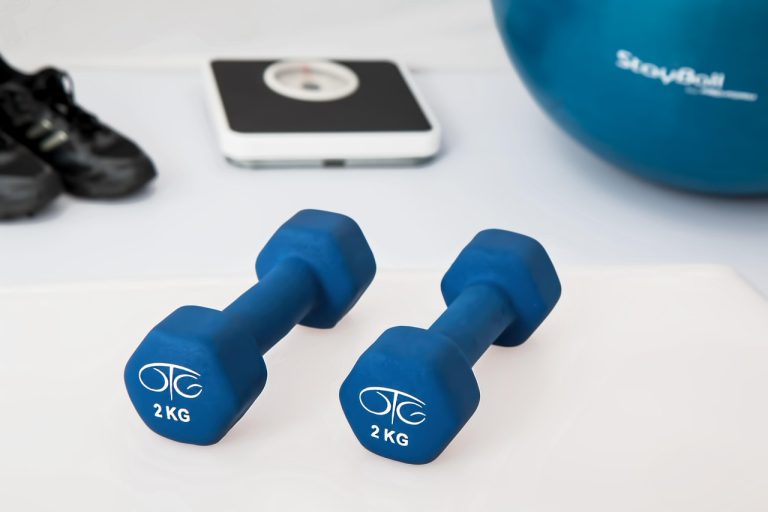
Starting your workout strong isn’t just about jumping straight into the heaviest weights or the fastest sprints. A proper warm-up is the unsung hero of any effective fitness routine, preparing your body for the challenge ahead, reducing your risk of injury, and ultimately enhancing your performance. Think of it as prepping a canvas before painting a masterpiece – essential for the best results.
Why is a Warm-Up Crucial for Fitness?
Preparing Your Body for Exercise
- Increased Blood Flow: Warm-ups increase blood flow to your muscles, delivering vital oxygen and nutrients. This helps your muscles contract more efficiently and reduces the risk of cramps. Imagine trying to start a car in freezing weather; a warm-up is like letting the engine run to get things moving smoothly.
- Improved Muscle Flexibility: Warming up increases the elasticity of your muscles and connective tissues, allowing for a greater range of motion. This reduces the likelihood of strains and tears during exercise. Studies show that individuals who consistently warm up before exercise experience fewer injuries.
- Elevated Body Temperature: A slight increase in body temperature makes your muscles more pliable and responsive, optimizing their performance. According to the American College of Sports Medicine, a slight increase in muscle temperature can improve power output by up to 5%.
- Mental Preparation: A warm-up isn’t just physical; it’s mental. It allows you to focus on the upcoming workout and prepare yourself mentally for the challenges ahead. This is especially important for high-intensity activities or complex movements.
Reducing the Risk of Injury
- Reduced Muscle Stiffness: Cold, stiff muscles are more prone to injury. Warming up gradually loosens these muscles, making them more resistant to strain.
- Increased Joint Lubrication: Warm-ups stimulate the production of synovial fluid, which lubricates your joints and allows them to move more smoothly. This reduces friction and minimizes the risk of joint pain and injury.
- Gradual Increase in Heart Rate: Suddenly stressing your cardiovascular system can be dangerous, especially for individuals with pre-existing heart conditions. Warming up gradually increases your heart rate and prepares your heart for the demands of exercise.
Enhancing Performance
- Improved Muscle Power: Warming up primes your muscles for optimal power output, allowing you to lift heavier weights, jump higher, and run faster.
- Enhanced Coordination: Warm-up exercises often involve movements that improve coordination and balance, which is crucial for many types of exercise.
- Increased Reaction Time: Studies have shown that warming up can improve reaction time, allowing you to respond more quickly to changes in your environment during exercise.
Components of an Effective Warm-Up
General Warm-Up
- Light Cardio: Start with 5-10 minutes of light cardio, such as jogging, cycling, or jumping jacks. This increases your heart rate and blood flow to your muscles.
Example: 5 minutes of light jogging followed by 2 minutes of jumping jacks.
Tip: Keep the intensity low enough that you can easily carry on a conversation.
Dynamic Stretching
- Movement-Based Stretches: Dynamic stretches involve active movements that take your joints through their full range of motion. Unlike static stretches (holding a stretch for a prolonged period), dynamic stretches prepare your muscles for activity.
Examples: Arm circles, leg swings, torso twists, and walking lunges.
Tip: Perform each dynamic stretch for 10-15 repetitions.
Important: Avoid bouncing or forcing the movements. Focus on controlled and fluid motions.
Specific Warm-Up
- Exercise-Specific Movements: This involves performing lighter versions of the exercises you plan to do during your workout. This primes your muscles and nervous system for the specific demands of the activity.
Example: If you’re planning to bench press, start with a set of light bench presses with just the bar. If you’re running sprints, start with some strides at a moderate pace.
Tip: Gradually increase the weight or intensity of your specific warm-up sets.
Sample Warm-Up Routines
Full Body Warm-Up
Light Cardio: 5 minutes of brisk walking or jogging.
Dynamic Stretching:
Arm circles (forward and backward) – 10 repetitions each.
Leg swings (forward and sideways) – 10 repetitions each leg.
Torso twists – 10 repetitions each side.
Walking lunges – 10 repetitions each leg.
Bodyweight squats – 10 repetitions.
Upper Body Warm-Up
Light Cardio: 3 minutes of jumping jacks or arm biking.
Dynamic Stretching:
Arm circles (forward and backward) – 10 repetitions each.
Shoulder shrugs – 10 repetitions.
Torso twists – 10 repetitions each side.
Wall slides – 10 repetitions.
Specific Warm-Up: Perform a set of light weight versions of your planned upper body exercises (e.g., light dumbbell rows before heavy rows).
Lower Body Warm-Up
Light Cardio: 5 minutes of stationary cycling or light jogging.
Dynamic Stretching:
Leg swings (forward and sideways) – 10 repetitions each leg.
Walking lunges – 10 repetitions each leg.
Bodyweight squats – 10 repetitions.
Hip circles – 10 repetitions each direction.
Specific Warm-Up: Perform a set of light weight versions of your planned lower body exercises (e.g., bodyweight squats before weighted squats).
Mistakes to Avoid During Your Warm-Up
Skipping the Warm-Up Entirely
- This is the biggest mistake of all! Don’t be tempted to skip your warm-up, even if you’re short on time. A few minutes of warming up is better than no warm-up at all.
Static Stretching Before Exercise
- Static stretching (holding a stretch for an extended period) can actually decrease muscle power if performed before exercise. Save static stretches for after your workout.
Warming Up Too Intensely
- Your warm-up shouldn’t fatigue you before your actual workout. Keep the intensity low to moderate, focusing on preparing your body, not exhausting it.
Neglecting Specific Warm-Up
- Don’t just do general warm-up exercises. Make sure to include specific movements that mimic the exercises you’ll be performing during your workout.
Conclusion
A well-designed warm-up is an integral part of any effective fitness routine. By incorporating light cardio, dynamic stretching, and exercise-specific movements, you can prepare your body for the demands of exercise, reduce your risk of injury, and enhance your performance. Make warming up a non-negotiable part of your workout routine, and you’ll reap the benefits for years to come. Don’t just jump in; prepare to conquer!