Starting a fitness journey from home can feel daunting, but it doesn’t have to be! You don’t need expensive gym equipment or a personal trainer to achieve your fitness goals. With the right approach and a few simple exercises, you can build strength, improve your cardiovascular health, and boost your overall well-being, all from the comfort of your own home. This guide will walk you through beginner-friendly home exercises, providing practical tips and actionable advice to get you started on your path to a healthier you.
Getting Started with Home Workouts: Foundations for Success
Before diving into the exercises, let’s lay the groundwork for a successful and sustainable home workout routine. Preparation is key!
Assessing Your Fitness Level
- Listen to your body: Pay attention to any pain or discomfort and don’t push yourself too hard, especially when starting out.
- Consider pre-existing conditions: Consult your doctor if you have any health concerns before starting a new exercise program.
- Start slowly: Begin with shorter workout sessions (15-20 minutes) and gradually increase the duration and intensity as you get stronger.
- Example: Try a simple test like how many push-ups you can do before your form breaks down. This helps gauge your current strength level.
Setting Realistic Goals
- SMART Goals: Use the SMART framework to set Specific, Measurable, Achievable, Relevant, and Time-bound goals.
Example: “I will work out for 30 minutes, 3 times a week for the next month.”
- Focus on Consistency: Aim for regular workouts rather than occasional intense sessions.
- Celebrate Small Wins: Acknowledge and reward yourself for achieving milestones to stay motivated.
- Data: Studies show that consistent, moderate exercise is more effective than sporadic intense workouts for long-term health benefits.
Creating a Workout Space
- Designated Area: Choose a comfortable and spacious area in your home where you can move freely.
- Minimal Equipment: You don’t need much equipment to start. A yoga mat, resistance bands, and a set of light dumbbells can be beneficial, but are not essential.
- Environment: Ensure the space is well-ventilated and free from distractions.
- Tip: Use mirrors to check your form and make sure you’re performing the exercises correctly.
Essential Beginner Home Exercises
Now, let’s get into the exercises themselves! These are foundational movements that target major muscle groups and are easy to modify based on your fitness level.
Bodyweight Squats
- Description: Stand with your feet shoulder-width apart, toes slightly outward. Lower your hips as if sitting in a chair, keeping your back straight and chest up.
- Benefits: Strengthens legs (quadriceps, hamstrings, glutes) and core.
- Variations:
Air Squats: Basic squat using only bodyweight.
Wall Squats: Stand with your back against a wall and slide down into a squat position.
Jump Squats: Add a jump at the top of the squat for a more intense workout.
- Form Check: Ensure your knees don’t extend past your toes and maintain a straight back.
- Sets & Reps: 3 sets of 10-12 repetitions.
Push-Ups
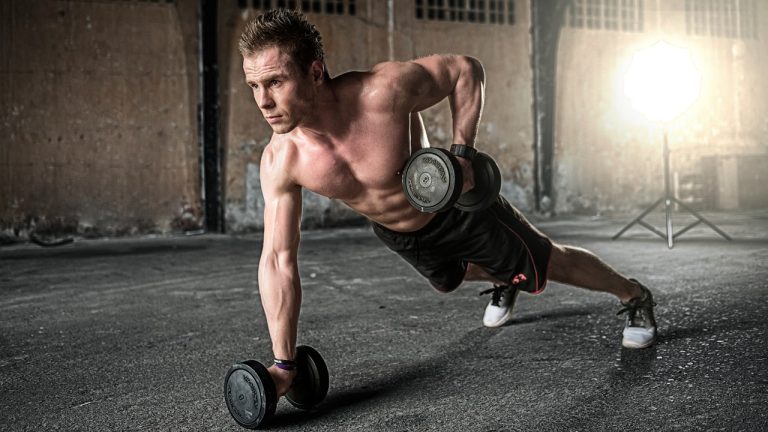
- Description: Start in a plank position with your hands shoulder-width apart. Lower your body until your chest touches the ground, then push back up to the starting position.
- Benefits: Strengthens chest, shoulders, and triceps.
- Variations:
Wall Push-Ups: Easier variation performed against a wall.
Knee Push-Ups: Modify by performing push-ups on your knees.
Incline Push-Ups: Perform push-ups with your hands elevated on a bench or step.
- Form Check: Maintain a straight line from head to heels and avoid sagging hips.
- Sets & Reps: 3 sets of as many repetitions as possible (AMRAP).
Plank
- Description: Hold a straight line from head to heels, supported by your forearms and toes. Engage your core to prevent sagging.
- Benefits: Strengthens core muscles (abs, obliques, lower back).
- Variations:
Forearm Plank: Standard plank on forearms.
High Plank: Plank on hands, similar to the top of a push-up.
Side Plank: Hold a plank position on one forearm, engaging your obliques.
- Form Check: Keep your back straight and avoid lifting your hips too high or letting them sag.
- Sets & Duration: 3 sets of 30-60 seconds hold.
Lunges
- Description: Step forward with one leg, bending both knees to 90 degrees. Keep your front knee behind your toes and your back knee close to the ground.
- Benefits: Strengthens legs (quadriceps, hamstrings, glutes) and improves balance.
- Variations:
Forward Lunges: Standard lunge stepping forward.
Reverse Lunges: Step backward into a lunge.
Walking Lunges: Perform lunges while moving forward.
- Form Check: Keep your front knee behind your toes and maintain a straight back.
- Sets & Reps: 3 sets of 10-12 repetitions per leg.
Glute Bridges
- Description: Lie on your back with your knees bent and feet flat on the ground. Lift your hips off the ground, squeezing your glutes at the top.
- Benefits: Strengthens glutes and hamstrings.
- Variations:
Two-Legged Glute Bridge: Standard glute bridge.
Single-Leg Glute Bridge: Perform glute bridge with one leg lifted.
Elevated Foot Glute Bridge: Elevate your feet on a bench or step for a greater challenge.
- Form Check: Squeeze your glutes at the top of the movement and avoid arching your back excessively.
- Sets & Reps: 3 sets of 12-15 repetitions.
Cardio and Flexibility: Rounding Out Your Routine
While strength training is important, don’t neglect cardio and flexibility for a well-rounded fitness program.
Cardio Options at Home
- Jumping Jacks: A classic cardio exercise that requires no equipment.
- High Knees: Running in place while lifting your knees high.
- Butt Kicks: Running in place while kicking your heels towards your glutes.
- Dancing: Put on some music and dance for a fun and effective cardio workout.
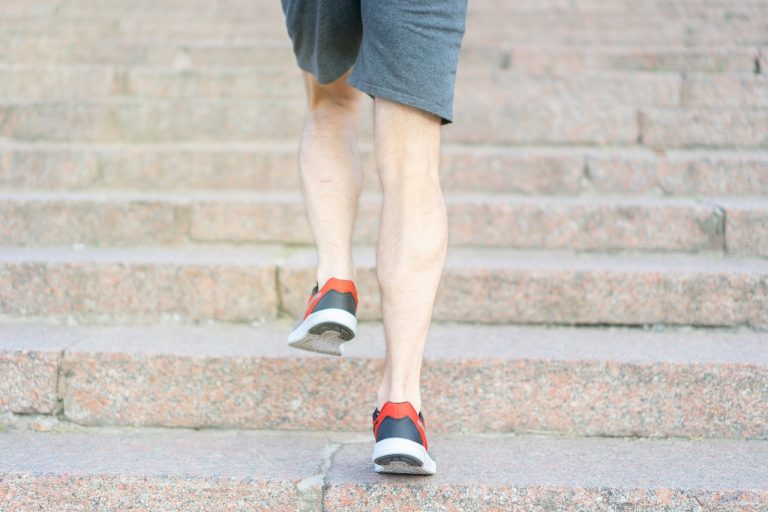
- Stair Climbing: If you have stairs, use them for a challenging cardio workout.
- Duration: Aim for at least 20-30 minutes of cardio 2-3 times per week.
Stretching and Flexibility
- Importance: Stretching improves flexibility, reduces the risk of injury, and enhances recovery.
- Static Stretching: Holding a stretch for 30 seconds. Examples include hamstring stretch, quad stretch, and calf stretch.
- Dynamic Stretching: Moving through a range of motion. Examples include arm circles, leg swings, and torso twists.
- When to Stretch: Stretch after your workouts or on rest days.
- Tip: Focus on major muscle groups and areas where you feel tight.
Staying Motivated and Tracking Progress
Motivation is a crucial aspect of maintaining a consistent workout routine. Track your progress and find strategies to stay engaged.
Tracking Your Progress
- Journaling: Keep a workout journal to record the exercises you performed, the number of repetitions, and your overall progress.
- Fitness Apps: Use fitness apps to track your workouts, set goals, and monitor your progress.
- Taking Photos: Take before-and-after photos to visually track your progress.
- Measuring: Track changes in your body measurements (e.g., waist circumference) to monitor your progress.
Maintaining Motivation
- Find a Workout Buddy: Exercising with a friend can provide support and accountability.
- Set Rewards: Reward yourself for achieving milestones to stay motivated.
- Vary Your Routine: Mix up your workouts to prevent boredom and challenge your body in different ways.
- Listen to Music or Podcasts: Listen to your favorite music or podcasts while you work out to make it more enjoyable.
- Remember Your “Why”: Remind yourself of the reasons you started working out to stay focused on your goals.
Conclusion
Embarking on a home workout routine is a fantastic way to improve your health and fitness without the need for expensive gym memberships or equipment. By starting slowly, setting realistic goals, and consistently performing the exercises outlined in this guide, you can build strength, improve your cardiovascular health, and boost your overall well-being. Remember to listen to your body, stay motivated, and celebrate your progress along the way. You’ve got this!