Physical Address
304 North Cardinal St.
Dorchester Center, MA 02124
Physical Address
304 North Cardinal St.
Dorchester Center, MA 02124

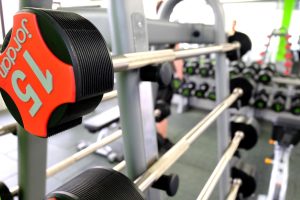
Building muscle doesn’t require an expensive gym membership or fancy equipment. With dedication, proper technique, and a well-structured plan, you can effectively build muscle from the comfort of your own home. This comprehensive guide provides you with the knowledge and tools you need to embark on your home muscle-building journey and achieve impressive results.
Progressive overload is the cornerstone of muscle growth. It involves gradually increasing the demands placed on your muscles over time. This forces them to adapt and become stronger and larger.
Increase Reps: Add a rep or two to each set as you get stronger. For example, if you’re doing push-ups, aim to increase from 8 reps to 10 reps.
Increase Sets: Once you consistently hit your target rep range, add an additional set.
Increase Resistance: This can be done using resistance bands, household items (like filled water bottles or backpacks), or eventually investing in adjustable dumbbells.
Decrease Rest Time: Reducing rest time between sets can also increase the intensity of your workout.
Nutrition plays a vital role in muscle building. You need to consume enough calories and protein to support muscle growth and recovery.
Breakfast: Oatmeal with protein powder and berries.
Lunch: Chicken breast with brown rice and vegetables.
Dinner: Salmon with sweet potato and broccoli.
Snacks: Greek yogurt, nuts, or protein bars.
Adequate rest and recovery are crucial for muscle growth. Muscle growth happens during rest, not during your workouts.
Bodyweight exercises can be highly effective for building muscle, especially for beginners and intermediate lifters. Here are some exercises that target major muscle groups:
Push-ups: Vary your hand placement (wide, close, incline, decline) to target different areas of the chest.
Beginner Tip: Start with knee push-ups if regular push-ups are too challenging.
Dips: Use two sturdy chairs or a dip bar.
Pull-ups/Chin-ups: Requires a pull-up bar. If you can’t do a full pull-up, use an assisted pull-up band or try negative pull-ups (slowly lowering yourself down).
Inverted Rows: Use a table or sturdy bar. The lower the bar, the harder the exercise.
Squats: Bodyweight squats, jump squats, pistol squats (advanced).
Lunges: Forward lunges, reverse lunges, walking lunges.
Calf Raises: Stand on a slightly elevated surface to increase the range of motion.
Pike Push-ups: A variation of push-ups that targets the shoulders more effectively.
Handstand Push-ups: (Advanced) Requires good core strength and balance. Start with wall-assisted handstand push-ups.
Plank: Hold for 30-60 seconds.
Crunches: Focus on controlled movements.
Leg Raises: Lie on your back and lift your legs.
Russian Twists: Sit with your knees bent and twist your torso from side to side.
A well-rounded home workout routine should include exercises that target all major muscle groups.
Day 1: Upper Body (Push): Push-ups, Pike Push-ups, Dips.
Day 2: Lower Body: Squats, Lunges, Calf Raises.
Day 3: Rest
Day 4: Upper Body (Pull): Pull-ups/Chin-ups, Inverted Rows.
Day 5: Core: Plank, Crunches, Leg Raises.
Day 6 & 7: Rest
Resistance bands are a versatile and affordable tool that can significantly enhance your home muscle-building workouts.
Resistance bands can be used to add resistance to many bodyweight exercises or to perform entirely new exercises.
Band Chest Press: Anchor the band behind you and press forward.
Band Flyes: Similar to dumbbell flyes, but using a band.
Band Rows: Sit on the floor with your legs extended and pull the band towards you.
Band Lat Pulldowns: Secure the band overhead and pull down.
Band Squats: Place the band around your thighs for added resistance.
Band Glute Bridges: Place the band around your thighs during glute bridges.
Band Lateral Raises: Stand on the band and raise your arms to the sides.
Band Front Raises: Stand on the band and raise your arms in front of you.
Band Curls: Stand on the band and curl your arms up.
Band Triceps Extensions: Secure the band overhead and extend your arms.
As you become more experienced, you’ll need to find ways to increase the intensity of your workouts to continue seeing results.
Focus on consciously contracting the muscles you’re working during each rep. This can help to improve muscle activation and growth.
Keep track of your workouts, including the exercises you performed, the number of reps and sets, and the resistance you used. This will help you to monitor your progress and make adjustments to your routine as needed.
Building muscle at home is absolutely achievable with the right knowledge, dedication, and consistency. By understanding the principles of progressive overload, proper nutrition, and adequate rest, and by utilizing effective bodyweight exercises and resistance bands, you can transform your physique and achieve your fitness goals without ever setting foot in a gym. Remember to listen to your body, track your progress, and adjust your routine as needed. Your home is your gym; now go build some muscle!