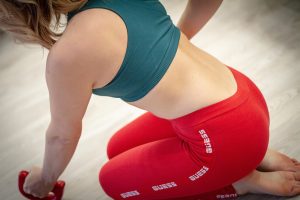
Unlock your fitness potential from the comfort of your own home with a strategically designed home workout flow. Forget expensive gym memberships and inconvenient travel times; with a little planning and dedication, you can achieve your fitness goals without ever leaving your living room. This guide will walk you through creating a personalized workout routine that fits your needs, schedule, and fitness level. Let’s dive into building your ultimate home workout flow!
Understanding Your Fitness Goals
Identifying Your Objectives
Before jumping into exercises, it’s crucial to define your fitness goals. What do you want to achieve? Are you aiming to:
- Lose weight and burn fat?
- Build muscle and increase strength?
- Improve cardiovascular health and endurance?
- Enhance flexibility and mobility?
- Reduce stress and boost your mood?
Knowing your specific goals will help you tailor your workout flow effectively. Write them down to solidify your commitment.
Assessing Your Current Fitness Level
Be honest with yourself about your current fitness level. This isn’t about judgement; it’s about starting at a point where you can safely and effectively progress.
- Beginner: Little to no exercise experience. Focus on mastering basic movements.
- Intermediate: Regular exercise but looking to step up your routine.
- Advanced: Consistent training and seeking more challenging workouts.
Start with workouts that match your ability and gradually increase the intensity and duration as you get stronger. Don’t try to do too much, too soon!
Setting Realistic Expectations
It’s important to set realistic expectations to stay motivated and avoid burnout. Understand that results take time and consistency. Aim for small, achievable milestones and celebrate your progress along the way. For example, instead of aiming to lose 20 pounds in a month, focus on consistently working out 3-4 times per week.
Structuring Your Home Workout Flow
Warm-up (5-10 Minutes)
A proper warm-up is essential for preparing your body for exercise and preventing injuries.
- Cardio: Light cardio such as jogging in place, jumping jacks, or high knees to increase your heart rate and blood flow.
- Dynamic Stretching: Dynamic stretches involve controlled movements that improve flexibility and range of motion. Examples include arm circles, leg swings, and torso twists.
1. Jogging in place (2 minutes)
Arm circles (1 minute each direction)
Leg swings (30 seconds per leg)
Torso twists (1 minute)
Strength Training (20-40 Minutes)
This is the core of your workout, where you’ll focus on building muscle and strength. Choose exercises that target different muscle groups.
- Upper Body: Push-ups, dumbbell rows, overhead presses, bicep curls, tricep dips.
- Lower Body: Squats, lunges, glute bridges, calf raises.
- Core: Planks, crunches, Russian twists, leg raises.
- Workout structure: Aim for 3 sets of 10-12 repetitions for each exercise. Adjust the weight or resistance to challenge yourself. Focus on proper form over speed.
- Example Workout (3 sets of 12 reps):
1. Squats
Push-ups (modify on knees if needed)
Dumbbell rows
Plank (hold for 30-60 seconds)
Cardio (20-30 Minutes)
Cardio helps burn calories, improve cardiovascular health, and boost endurance.
- High-Intensity Interval Training (HIIT): Short bursts of intense exercise followed by brief recovery periods. Examples include burpees, mountain climbers, and jumping squats.
- Steady-State Cardio: Sustained cardio at a moderate intensity. Examples include running on a treadmill, cycling, or brisk walking.
- Example HIIT Workout (20 minutes):
1. Burpees (30 seconds)
Rest (30 seconds)
Mountain climbers (30 seconds)
Rest (30 seconds)
Jumping jacks (30 seconds)
Rest (30 seconds)
Repeat the circuit 4 times.
Cool-down and Stretching (5-10 Minutes)
Cooling down helps your body gradually return to its resting state and reduces muscle soreness.
- Static Stretching: Hold each stretch for 20-30 seconds, focusing on major muscle groups. Examples include hamstring stretches, quad stretches, and tricep stretches.
1. Hamstring stretch (30 seconds per leg)
Quad stretch (30 seconds per leg)
Tricep stretch (30 seconds per arm)
Calf stretch (30 seconds per leg)
Selecting Effective Exercises
Bodyweight Exercises
Bodyweight exercises are a great option for home workouts because they require no equipment.
- Benefits: Convenient, versatile, and can be done anywhere.
- Examples: Squats, lunges, push-ups, planks, burpees, mountain climbers.
- Progression: Increase the number of repetitions, sets, or difficulty (e.g., incline push-ups, pistol squats).
Using Resistance Bands
Resistance bands are affordable and effective for adding resistance to your workouts.
- Benefits: Portable, versatile, and provide variable resistance.
- Examples: Banded squats, bicep curls, tricep extensions, lateral walks.
- Choosing the Right Band: Use bands of different resistance levels to challenge yourself appropriately.
Incorporating Dumbbells or Kettlebells
Dumbbells and kettlebells can add significant challenge to your strength training routine.
- Benefits: Increase muscle mass, strength, and power.
- Examples: Dumbbell rows, overhead presses, bicep curls, kettlebell swings, goblet squats.
- Starting Weight: Choose a weight that allows you to maintain proper form for the recommended number of repetitions.
Maintaining Consistency and Motivation
Scheduling Your Workouts
Treat your workouts like important appointments and schedule them into your day. This will help you stay consistent and avoid skipping workouts.
- Set Specific Times: Choose times that work best for your schedule and stick to them.
- Plan Ahead: Prepare your workout space and equipment the night before.
Tracking Your Progress
Tracking your progress can help you stay motivated and see how far you’ve come.
- Keep a Workout Journal: Record your exercises, sets, repetitions, and weights.
- Take Progress Photos: Visual progress can be a powerful motivator.
- Use Fitness Apps: Apps like MyFitnessPal, Strava, and FitBit can help you track your workouts and progress.
Finding Accountability
Having someone to hold you accountable can significantly increase your chances of success.
- Find a Workout Partner: Exercise with a friend or family member.
- Join an Online Fitness Community: Connect with others who share your fitness goals.
- Hire a Virtual Trainer:* A trainer can provide personalized guidance and support.
Conclusion
Creating a successful home workout flow is all about understanding your goals, structuring your routine effectively, and staying consistent. By incorporating the strategies outlined in this guide, you can transform your home into a personal fitness haven and achieve your desired results. Remember to listen to your body, adjust your workouts as needed, and celebrate your progress along the way. The journey to a healthier, fitter you starts now!