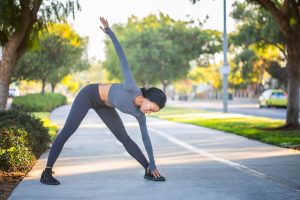
Moving more shouldn’t feel like a chore. It’s about weaving physical activity into the fabric of your everyday life at home. Instead of dreading a rigid workout routine, think of simple, sustainable ways to boost your activity levels without even leaving the house. This blog post will explore how incorporating everyday home movement can dramatically improve your well-being, energy levels, and overall health.
The Power of Everyday Home Movement
Redefining Exercise: It’s More Than Just the Gym
We often associate exercise with structured routines, gym memberships, or intense workout sessions. However, everyday home movement shifts this perspective. It encompasses all the physical activities you perform as part of your daily life – from walking around the house to doing chores.
- Benefits of Everyday Movement:
Improved cardiovascular health.
Increased energy levels throughout the day.
Better mood and reduced stress.
Enhanced flexibility and mobility.
Improved sleep quality.
Weight management.
Why Choose Home Movement? Convenience and Consistency
The beauty of everyday home movement lies in its convenience and accessibility. You don’t need special equipment or a dedicated time slot. It seamlessly integrates into your routine, making it easier to maintain consistency – a crucial factor for long-term health benefits. According to a study published in the “American Journal of Preventive Medicine,” individuals who engage in small bouts of physical activity throughout the day are more likely to adhere to a physically active lifestyle than those who rely solely on structured workouts.
Simple Ways to Boost Home Activity
Chores as Opportunities: Turning Tasks into Workouts
Household chores don’t have to be dreaded tasks. Reframe them as opportunities to get your body moving.
- Cleaning: Blast some music and dance while you clean. Vacuuming, mopping, and dusting all engage different muscle groups. Try to add extra effort, such as squatting while wiping low surfaces or reaching high while cleaning windows.
- Gardening: Weeding, planting, and watering involve bending, stretching, and lifting, all of which contribute to increased physical activity. Even tending to indoor plants can add to your overall movement.
- Laundry: Instead of piling up laundry, do smaller loads more frequently, requiring more trips up and down stairs (if applicable). Lift laundry baskets properly, engaging your core muscles.
Incorporating Movement into Daily Habits
Small changes to your daily habits can significantly impact your activity levels.
- During Phone Calls: Walk around your house or pace while you’re on the phone. Even gentle movements are better than sitting still.
- Commercial Breaks: Instead of passively watching TV, use commercial breaks to do simple exercises like jumping jacks, push-ups, or stretching.
- Stand Up Regularly: If you work from home, set a timer to remind you to stand up and move around every 30 minutes. Take a short walk, do some stretches, or simply stand and work for a while. A standing desk can be a great investment.
Adding Purposeful Movement
While incidental movement is beneficial, adding short bursts of more purposeful activity can further enhance your fitness.
- Quick Exercise Bursts: Dedicate 5-10 minutes a few times a day to simple exercises like squats, lunges, planks, or jumping jacks. No equipment needed!
- Yoga or Stretching: Incorporate a short yoga or stretching routine into your morning or evening. This improves flexibility, balance, and overall well-being.
- Stair Climbing: If you have stairs in your home, make it a habit to climb them several times a day. This is a great cardiovascular workout.
Optimizing Your Home Environment for Movement
Creating a Movement-Friendly Space
Make your home environment conducive to movement by strategically placing items and creating designated activity zones.
- Accessibility: Keep workout equipment, such as resistance bands or dumbbells, readily accessible. This removes the barrier to entry and encourages spontaneous exercise.
- Designated Space: Create a small, dedicated area for exercise, even if it’s just a corner of a room. This helps establish a mental association between that space and physical activity.
- Ergonomics: Ensure your workspace is ergonomically sound to prevent discomfort and promote better posture, which can encourage movement.
Leveraging Technology
Utilize technology to track your movement and stay motivated.
- Activity Trackers: Wearable activity trackers can monitor your steps, activity levels, and sleep patterns, providing valuable insights into your daily movement.
- Fitness Apps: Numerous fitness apps offer guided workouts, tracking tools, and motivational challenges to help you stay on track.
- Online Resources: Access a wealth of online resources, including workout videos, stretching routines, and tips for incorporating more movement into your daily life.
Overcoming Challenges to Home Movement
Identifying and Addressing Barriers
Recognize the common obstacles that prevent you from engaging in more home movement and develop strategies to overcome them.
- Lack of Time: Break down movement into smaller, manageable chunks. Even 5-10 minutes of activity can make a difference.
- Lack of Motivation: Find activities you enjoy and incorporate them into your routine. Enlist a friend or family member for support and accountability.
- Physical Limitations: Consult with a healthcare professional to identify safe and appropriate exercises for your individual needs. Start slowly and gradually increase your activity levels.
Staying Consistent
Consistency is key to reaping the long-term benefits of everyday home movement.
- Set Realistic Goals: Start with small, achievable goals and gradually increase the intensity and duration of your activity.
- Track Your Progress: Monitoring your progress can help you stay motivated and identify areas for improvement.
- Celebrate Successes: Acknowledge and celebrate your accomplishments, no matter how small. This reinforces positive behaviors and keeps you on track.
Conclusion
Embracing everyday home movement is a sustainable and effective way to improve your overall health and well-being. By integrating physical activity into your daily routine, you can boost your energy levels, reduce stress, and enhance your quality of life without the need for structured workouts or expensive gym memberships. Start small, be consistent, and enjoy the journey to a more active and healthier you.