Embarking on a home fitness journey can feel daunting, but it’s also incredibly rewarding. Starting with small, manageable steps allows you to build a sustainable routine that fits seamlessly into your lifestyle. Forget overwhelming gym environments and complicated equipment. This guide is designed to equip you with everything you need to know to kickstart your home fitness adventure as a complete beginner.
Setting Realistic Goals for Home Fitness
Understanding Your Starting Point
Before diving into any exercise program, it’s essential to assess your current fitness level. This doesn’t require a fancy assessment; simply reflecting on your daily activity and any existing health conditions is a great start.
- Self-Assessment: Consider how easily you can perform everyday tasks like climbing stairs or carrying groceries. Are you often out of breath? Do you experience any pain or discomfort during physical activity?
- Consult a Professional: If you have any underlying health concerns, it’s always best to consult with your doctor or a qualified healthcare professional before starting a new exercise program.
- Set SMART Goals: Instead of aiming for unrealistic transformations, focus on SMART goals: Specific, Measurable, Achievable, Relevant, and Time-bound. For example, instead of “get in shape,” try “walk for 30 minutes, 3 times a week for the next month.”
Defining Your “Why”
Motivation is key to sticking with any new habit. Understanding why you want to get fit is crucial.
- Health Benefits: Are you looking to improve your cardiovascular health, lower blood pressure, or manage your weight? According to the CDC, regular physical activity can reduce the risk of chronic diseases.
- Mental Well-being: Exercise is a fantastic stress reliever and can boost your mood. Studies show that physical activity releases endorphins, which have mood-boosting effects.
- Personal Goals: Do you want to feel more energetic, improve your sleep, or simply feel more confident in your body?
Essential Home Fitness Equipment (and Alternatives)
Minimalist Equipment for Maximum Impact
You don’t need a fully equipped gym to get a great workout at home. Start with the basics and gradually add more equipment as you progress.
- Yoga Mat: Provides cushioning and grip for floor exercises.
- Resistance Bands: Versatile and affordable, offering resistance for various exercises. Different colors often indicate different resistance levels.
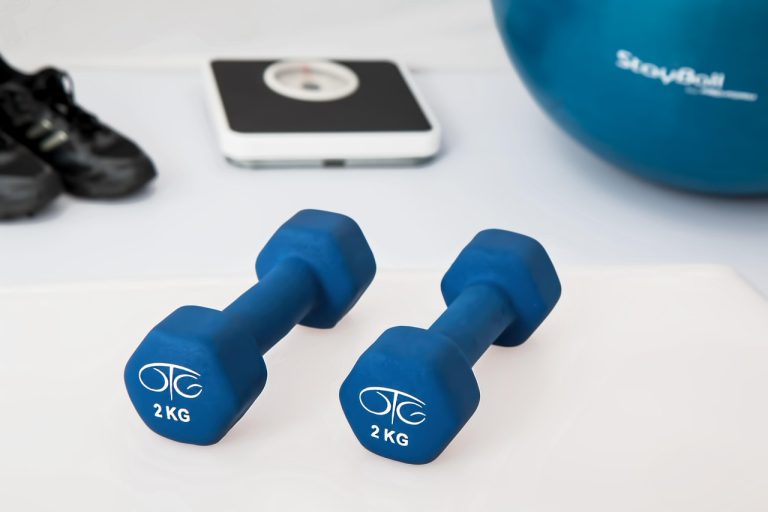
- Dumbbells (Light to Medium Weight): Essential for strength training. Start with light weights and gradually increase as you get stronger. A set of 3-5lb and 8-10lb dumbbells is a good starting point for most beginners.
- Jump Rope: Excellent for cardio and improving coordination.
Budget-Friendly Alternatives
If you’re on a tight budget, you can easily find alternatives to expensive equipment.
- Bodyweight Exercises: Utilize your own body weight for exercises like squats, push-ups, lunges, and planks.
- Household Items: Use water bottles or cans as weights, a chair for tricep dips, or stairs for cardio.
- Online Resources: Numerous free workout videos and apps are available online, offering guided workouts using minimal or no equipment.
Creating a Beginner-Friendly Home Workout Routine
Warm-up Exercises
Always start with a warm-up to prepare your muscles for exercise and prevent injuries.
- Dynamic Stretching: Focus on movements that increase blood flow and flexibility. Examples include arm circles, leg swings, torso twists, and high knees. Aim for 5-10 minutes of warm-up before each workout.
- Light Cardio: Gentle cardio exercises like jogging in place or jumping jacks can also help warm up your muscles.
Sample Full-Body Workout
This workout can be done 2-3 times per week, with rest days in between.
- Squats: 3 sets of 10-12 repetitions. Focus on proper form: stand with feet shoulder-width apart, lower your hips as if sitting in a chair, and keep your back straight.
- Push-ups: 3 sets of as many repetitions as possible (AMRAP). If regular push-ups are too difficult, start with modified push-ups on your knees.
- Lunges: 3 sets of 10-12 repetitions per leg. Step forward with one leg, lower your body until both knees are bent at 90 degrees, and push back up.
- Plank: 3 sets, holding for 30-60 seconds. Maintain a straight line from head to heels, engaging your core muscles.
- Dumbbell Rows: 3 sets of 10-12 repetitions per arm. Stand with feet shoulder-width apart, bend at the waist, and pull the dumbbell towards your chest.
Cool-down and Stretching
Always end your workout with a cool-down and stretching to reduce muscle soreness and improve flexibility.
- Static Stretching: Hold each stretch for 20-30 seconds. Focus on major muscle groups, such as quads, hamstrings, calves, chest, and shoulders. Examples include hamstring stretches, quad stretches, and triceps stretches.
- Deep Breathing: Taking a few deep breaths helps to calm your nervous system and promote relaxation.
Nutrition and Hydration for Home Fitness
Fueling Your Body
Proper nutrition is essential for supporting your fitness goals. Focus on a balanced diet that includes:
- Protein: Helps repair and build muscle tissue. Aim for 0.8-1 gram of protein per pound of body weight. Good sources include lean meats, poultry, fish, beans, lentils, and tofu.
- Carbohydrates: Provide energy for your workouts. Choose complex carbohydrates like whole grains, fruits, and vegetables.
- Healthy Fats: Important for hormone production and overall health. Include sources like avocados, nuts, seeds, and olive oil in your diet.
- Limit Processed Foods: Reduce your intake of sugary drinks, processed snacks, and fast food.
Staying Hydrated
Water is crucial for optimal performance and recovery.
- Drink Plenty of Water: Aim for at least 8 glasses of water per day.
- Hydrate Before, During, and After Workouts: Drink water before, during, and after your workouts to replace fluids lost through sweat.
- Listen to Your Body: Drink when you feel thirsty.
Conclusion
Starting a home fitness journey as a beginner is entirely achievable with the right mindset and resources. By setting realistic goals, choosing minimal equipment (or alternatives), creating a simple workout routine, and focusing on proper nutrition and hydration, you can establish a sustainable and enjoyable fitness habit. Remember to listen to your body, be patient with yourself, and celebrate your progress along the way. Consistency is key, and even small steps can lead to significant improvements in your overall health and well-being. Good luck!