Embarking on a home fitness journey can feel overwhelming, but it doesn’t have to be. Whether you’re tired of expensive gym memberships, lack of time to commute, or simply prefer the comfort of your own space, starting a home fitness routine is an achievable and rewarding goal. This guide provides a comprehensive roadmap for home fitness beginners, covering essential aspects from setting realistic goals to building a sustainable workout plan. Let’s dive in and get you started on your path to a healthier, fitter you!
Setting Realistic Fitness Goals
Defining Your “Why”
Before you even consider a single push-up, take some time to reflect on why you want to start a home fitness routine. Understanding your motivations is crucial for staying committed.
- Are you looking to improve your overall health?
- Do you want to lose weight?
- Are you aiming to build strength and muscle?
- Do you want to improve your energy levels and mental well-being?
Write down your reasons. This will serve as a powerful reminder when motivation wanes.
SMART Goals: A Practical Approach
Instead of vague aspirations like “get in shape,” use the SMART framework to create achievable goals:
- Specific: Define exactly what you want to achieve. For example, “lose 10 pounds.”
- Measurable: Set a way to track your progress. “Lose 1 pound per week.”
- Attainable: Ensure your goal is realistic for your current fitness level and lifestyle.
- Relevant: Make sure your goal aligns with your overall “why.”
- Time-bound: Set a deadline. “Lose 10 pounds in 10 weeks.”
- Example: Instead of “get stronger,” a SMART goal would be “be able to do 10 push-ups in a row within 2 months.”
Creating Your Home Workout Space
Minimizing Distractions
Designate a specific area in your home for workouts. This helps mentally prepare you for exercise and minimizes distractions.
- Choose a space with enough room to move around comfortably.
- Ensure good ventilation and lighting.
- Keep it clean and organized.
- Consider adding a mirror to check your form.
- Remove clutter and anything that might tempt you to procrastinate.
Essential Equipment (and What You Can Skip)
You don’t need a fully equipped gym to start. Focus on a few key pieces of equipment, especially in the beginning:
- Yoga Mat: Essential for floor exercises and stretching.
- Resistance Bands: Versatile for strength training and can be used for various exercises.
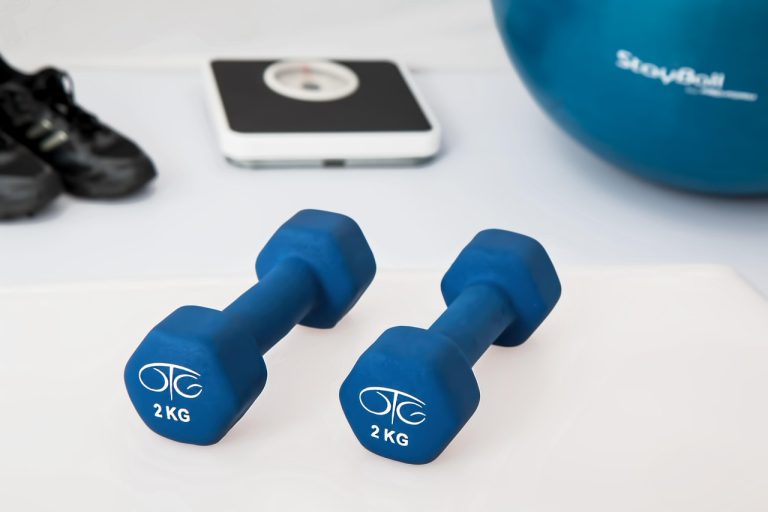
- Dumbbells: Start with light weights (2-5 lbs) and gradually increase as you get stronger.
- Comfortable Workout Clothes: Choose breathable fabrics that allow for freedom of movement.
- Water Bottle: Stay hydrated during your workouts.
You can skip expensive machines initially. Bodyweight exercises are highly effective, and you can gradually add equipment as needed. Consider using household items as substitutes (e.g., canned goods as weights).
Building Your Beginner Workout Plan
Focusing on Compound Exercises
Compound exercises work multiple muscle groups simultaneously, making them efficient for building strength and burning calories.
- Squats: Targets legs and glutes. (Example: Bodyweight squats, goblet squats with a dumbbell)
- Push-ups: Targets chest, shoulders, and triceps. (Example: Wall push-ups, knee push-ups, incline push-ups)
- Rows: Targets back and biceps. (Example: Resistance band rows, dumbbell rows using a chair for support)
- Plank: Targets core. (Example: Forearm plank, high plank)
- Lunges: Targets legs and glutes. (Example: Forward lunges, reverse lunges)
Sample Weekly Workout Schedule
Here’s a sample schedule you can adjust based on your fitness level and availability:
- Monday: Strength Training (Squats, Push-ups, Rows, Plank) – 3 sets of 10-12 repetitions.
- Tuesday: Cardio (Brisk walking, jogging, cycling, dancing) – 30 minutes.
- Wednesday: Rest or Active Recovery (Yoga, stretching, light walk).
- Thursday: Strength Training (Lunges, Plank variations, modified pull ups) – 3 sets of 10-12 repetitions.
- Friday: Cardio (Same as Tuesday) – 30 minutes.
- Saturday: Rest.
- Sunday: Active Recovery (Hiking, swimming, cycling at a leisurely pace).
- Important: Listen to your body and don’t push yourself too hard, especially in the beginning. Prioritize proper form over speed or quantity.
Warm-up and Cool-down
Never skip these crucial components!
- Warm-up (5-10 minutes): Light cardio (e.g., marching in place, jumping jacks) and dynamic stretching (e.g., arm circles, leg swings).
- Cool-down (5-10 minutes): Static stretching, holding each stretch for 20-30 seconds. (Examples: hamstring stretch, quadriceps stretch, triceps stretch).
Staying Motivated and Avoiding Burnout
Tracking Your Progress
Monitoring your progress is essential for staying motivated.
- Keep a workout journal: Track your exercises, sets, repetitions, and weight used.
- Take progress photos: Visual evidence of your progress can be incredibly motivating.
- Use a fitness tracker or app: Monitor your activity levels, heart rate, and calories burned.
- Measure your body composition: Track changes in weight, body fat percentage, and muscle mass.
Finding an Accountability Partner
Having someone to share your fitness journey with can provide support and encouragement.
- Find a friend, family member, or colleague who is also interested in fitness.
- Schedule workouts together (even virtually).
- Share your goals and progress with each other.
- Provide mutual support and motivation.
Varying Your Routine
Doing the same workouts day after day can lead to boredom and burnout.
- Introduce new exercises to challenge your muscles in different ways.
- Change the order of your exercises.
- Try different workout formats (e.g., HIIT, circuit training, yoga).
- Incorporate outdoor activities into your routine.
Reward Yourself (Healthily!)
Acknowledge your accomplishments and celebrate your milestones.
- Treat yourself to new workout gear.
- Enjoy a healthy meal or snack that you love.
- Take a relaxing bath or massage.
- Set small, non-food rewards for reaching specific goals.
Conclusion
Starting a home fitness routine is a journey, not a destination. Be patient with yourself, celebrate small victories, and don’t be afraid to adjust your plan as needed. By setting realistic goals, creating a comfortable workout space, building a balanced workout plan, and staying motivated, you can achieve your fitness goals and enjoy the many benefits of a healthier, more active lifestyle, all from the convenience of your own home. Remember, consistency is key! Good luck on your home fitness adventure!