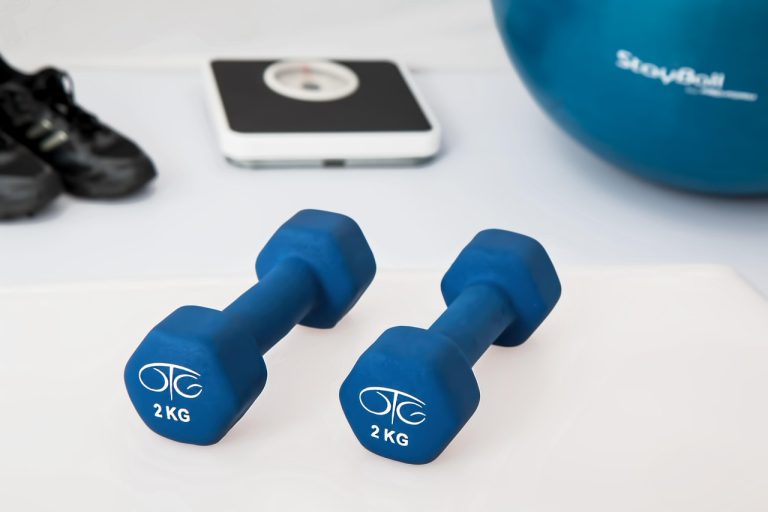
Embarking on a new training journey can be both exciting and daunting. Whether you’re aiming to improve your physical fitness, acquire a new skill, or advance your career, understanding the fundamentals of beginner training is crucial for success. This guide will provide you with a comprehensive overview of how to approach beginner training, offering practical tips, advice, and strategies to help you achieve your goals.
Setting Clear Goals for Your Beginner Training
Defining Your Objectives
Before you jump into any training program, it’s essential to define your objectives. What do you hope to achieve? Be as specific as possible. Vague goals like “get in shape” are less effective than concrete goals like “lose 10 pounds in three months” or “run a 5k race.”
- Specific: Clearly define what you want to accomplish.
- Measurable: Establish metrics to track your progress.
- Achievable: Set realistic goals that you can reasonably attain.
- Relevant: Ensure your goals align with your overall aspirations.
- Time-bound: Set a deadline for achieving your goals.
- Example: Instead of “learn to code,” try “complete an introductory Python course in six weeks.”
Assessing Your Current Level
Understanding your starting point is vital. Are you a complete novice, or do you have some prior experience? Honestly assess your current skills, knowledge, and physical condition.
- Skills Assessment: Identify any existing skills relevant to your training.
- Physical Fitness: Evaluate your current fitness level (e.g., endurance, strength).
- Knowledge Base: Determine your existing knowledge about the subject matter.
- Example: If you’re starting a weightlifting program, assess your current strength levels by attempting to lift light weights and noting your form and limitations.
Creating a Realistic Timeline
Beginner training should progress gradually. Don’t try to cram too much too soon. Set a realistic timeline that allows for steady progress and prevents burnout or injury.
- Break down large goals into smaller, manageable steps.
- Allocate sufficient time for each step.
- Build in rest days and recovery periods.
- Example: If you want to learn a new language, start with basic vocabulary and grammar before moving on to more complex topics. Aim to dedicate 30 minutes to an hour per day to language learning.
Choosing the Right Training Method
Selecting Appropriate Resources
There are countless training methods available, from online courses and books to personal trainers and workshops. The best method will depend on your learning style, budget, and available time.
- Online Courses: Platforms like Coursera, Udemy, and Skillshare offer a wide range of courses.
- Books: Textbooks and guides provide in-depth knowledge.
- Personal Trainers/Coaches: Offer personalized guidance and support.
- Workshops and Seminars: Provide hands-on learning and networking opportunities.
- Example: For learning a new programming language, consider a structured online course with hands-on coding exercises. For physical fitness, hiring a personal trainer can provide personalized workout plans and ensure proper form.
Adapting to Your Learning Style
Everyone learns differently. Some people are visual learners, while others are auditory or kinesthetic learners. Identify your preferred learning style and choose training methods that cater to it.
- Visual Learners: Benefit from diagrams, videos, and infographics.
- Auditory Learners: Learn best through lectures, podcasts, and discussions.
- Kinesthetic Learners: Prefer hands-on activities and practical exercises.
- Example: If you’re a visual learner, use visual aids like mind maps or flashcards when studying. If you’re a kinesthetic learner, focus on practical application and real-world examples.
Importance of Consistency and Patience
Consistency is key to success in any training program. Stick to your schedule, even when you don’t feel like it. Remember that progress takes time, so be patient and don’t get discouraged if you don’t see results immediately.
- Establish a regular training schedule.
- Track your progress to stay motivated.
- Celebrate small victories along the way.
- Example: In learning a musical instrument, practice for at least 30 minutes every day, even if you only learn a small section of a song. Over time, consistent practice will lead to significant improvement.
Building a Solid Foundation
Starting with the Basics
Beginner training should always focus on the fundamentals. Don’t try to jump ahead to advanced techniques before mastering the basics.
- Focus on proper form and technique.
- Build a strong foundation of knowledge or skills.
- Gradually increase intensity and complexity.
- Example: In weightlifting, focus on mastering basic exercises like squats, deadlifts, and bench presses before attempting more complex movements.
Progressive Overload
Progressive overload is a principle that involves gradually increasing the demands on your body or mind over time. This is essential for continuous improvement.
- Increase weight, resistance, or intensity gradually.
- Add more repetitions or sets.
- Reduce rest time between sets.
- Example: In running, progressively increase your mileage each week, starting with short runs and gradually increasing the distance.
Prioritizing Proper Form
Proper form is crucial to prevent injuries and maximize results. Focus on maintaining correct technique in all exercises and activities.
- Watch instructional videos or seek guidance from a trainer.
- Start with lighter weights or easier variations to master the form.
- Record yourself to identify areas for improvement.
- Example: When performing a squat, ensure that your back is straight, your core is engaged, and your knees are tracking over your toes.
Monitoring Progress and Making Adjustments
Tracking Your Progress
Regularly monitor your progress to stay motivated and identify areas where you need to improve.
- Keep a training journal or log.
- Track your performance metrics (e.g., weight lifted, distance run, test scores).
- Take photos or videos to document your physical transformation or skill development.
- Example: Keep a detailed log of your workouts, including the exercises you performed, the weight you lifted, and the number of repetitions and sets.
Identifying Plateaus and Adjusting Your Training
It’s common to hit plateaus in training. When this happens, it’s important to adjust your training program to break through the plateau.
- Vary your exercises or training methods.
- Increase the intensity or volume of your training.
- Take a deload week to allow your body to recover.
- Example: If you’ve been running the same distance at the same pace for several weeks, try adding interval training or hill workouts to challenge your body.
Seeking Feedback and Support
Don’t be afraid to seek feedback from coaches, mentors, or peers. Constructive criticism can help you identify areas for improvement and stay on track.
- Ask for feedback on your technique or performance.
- Join a training group or online community.
- Connect with experienced individuals in your field.
- Example: Show your weightlifting form to a personal trainer and ask for feedback on your technique.
Conclusion
Beginner training is a crucial phase that sets the foundation for long-term success. By setting clear goals, choosing the right training methods, building a solid foundation, and monitoring your progress, you can achieve your desired outcomes. Remember that consistency, patience, and a willingness to learn are essential for making the most of your training journey. Embrace the process, stay committed to your goals, and celebrate your progress along the way.