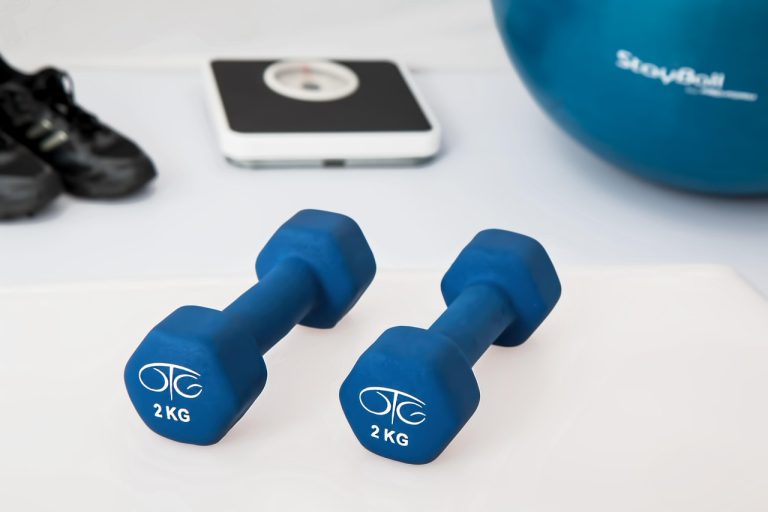
Embarking on a new fitness journey can be both exhilarating and overwhelming. Whether you’re aiming to improve your overall health, build strength, or simply feel more energetic, understanding the fundamentals of beginner training is crucial for success. This guide will provide you with a structured approach to getting started, ensuring you build a solid foundation and avoid common pitfalls along the way.
Understanding Your Starting Point
Assessing Your Current Fitness Level
Before diving into any training program, it’s essential to understand your current fitness level. This will help you tailor your workouts to your specific needs and avoid overexertion.
- Self-Assessment: Consider how easily you perform everyday activities like walking, climbing stairs, or carrying groceries. Do you experience shortness of breath or fatigue quickly?
- Basic Fitness Tests: Perform simple tests such as:
Push-up Test: How many push-ups can you do with proper form? (Modify on your knees if needed)
Squat Test: How many bodyweight squats can you perform with good form?
Plank Test: How long can you hold a plank with proper form?
- Consult a Professional: If possible, consult with a certified personal trainer or healthcare professional. They can provide a more comprehensive assessment and personalized recommendations.
Setting Realistic Goals
Setting achievable goals is paramount for staying motivated and tracking progress.
- SMART Goals: Define goals that are Specific, Measurable, Achievable, Relevant, and Time-bound.
Example: Instead of “Get in shape,” try “Lose 1-2 pounds per week for the next 8 weeks by exercising 3 times per week and following a healthy diet.”
- Short-Term vs. Long-Term Goals: Break down your larger goals into smaller, more manageable steps. Celebrate small victories along the way.
- Focus on Progress, Not Perfection: Don’t get discouraged by setbacks. Consistency is key, and even small improvements are a step in the right direction.
Building a Beginner-Friendly Workout Routine
Cardio Exercises for Beginners
Cardiovascular exercise is crucial for improving heart health, burning calories, and boosting energy levels.
- Low-Impact Options: Start with exercises that are gentle on your joints, such as:
Walking: Aim for 30 minutes of brisk walking most days of the week.
Cycling: Stationary bikes are a great low-impact option, or outdoor cycling on flat surfaces.
Swimming: Excellent full-body workout that’s easy on the joints.
Elliptical Trainer: Mimics running but with reduced impact.
- Gradual Progression: Gradually increase the duration and intensity of your cardio workouts as you get fitter.
Example: Start with 20 minutes of walking at a moderate pace and gradually increase to 30-45 minutes at a faster pace.
- Listen to Your Body: Pay attention to your body and take rest days when needed. Don’t push yourself too hard, especially when starting out.
Strength Training for Beginners
Strength training is essential for building muscle, increasing bone density, and improving overall strength and stability.
- Bodyweight Exercises: Start with exercises that use your own body weight for resistance, such as:
Squats: Excellent for leg and glute strength.
Example: Stand with feet shoulder-width apart, lower your hips as if sitting in a chair, and return to the starting position.
Push-ups: Great for chest, shoulder, and triceps strength.
Example: Start in a plank position, lower your body until your chest touches the ground, and push back up to the starting position. Modify on your knees if needed.
Lunges: Effective for leg and glute strength.
Example: Step forward with one leg, lower your hips until both knees are bent at 90 degrees, and push back up to the starting position.
Plank: Strengthens core muscles.
Example: Hold a push-up position with forearms on the ground, keeping your body in a straight line from head to heels.
- Resistance Bands: Resistance bands are a versatile and affordable option for adding resistance to your workouts.
Example: Use resistance bands for bicep curls, tricep extensions, or squats.
- Proper Form: Focus on maintaining proper form to prevent injuries. Watch videos or consult with a trainer to learn the correct technique.
- Start with Light Weights: If using weights, start with light weights and gradually increase the weight as you get stronger.
- Repetitions and Sets: Aim for 2-3 sets of 10-12 repetitions for each exercise.
Flexibility and Mobility
Flexibility and mobility are often overlooked but are crucial for preventing injuries and improving overall performance.
- Stretching: Incorporate static stretching after your workouts to improve flexibility.
Example: Hold each stretch for 20-30 seconds.
Hamstring Stretch: Sit on the floor with legs extended and reach towards your toes.
Quad Stretch: Stand and grab your foot, pulling it towards your glutes.
- Dynamic Stretching: Perform dynamic stretching before your workouts to improve mobility and prepare your muscles for exercise.
Example: Arm circles, leg swings, torso twists.
- Yoga and Pilates: Consider incorporating yoga or Pilates into your routine to improve flexibility, balance, and core strength.
Nutrition and Recovery
Fueling Your Body
Proper nutrition is essential for fueling your workouts and supporting recovery.
- Balanced Diet: Focus on consuming a balanced diet that includes plenty of fruits, vegetables, lean protein, and whole grains.
- Hydration: Drink plenty of water throughout the day, especially before, during, and after your workouts.
- Pre-Workout Nutrition: Consume a light meal or snack 1-2 hours before your workout to provide energy.
Example: Oatmeal with fruit, yogurt with granola, or a banana with peanut butter.
- Post-Workout Nutrition: Consume a protein-rich meal or snack within 30-60 minutes after your workout to help repair and rebuild muscle tissue.
Example: Protein shake, chicken breast with vegetables, or Greek yogurt with berries.
Importance of Rest and Recovery
Rest and recovery are just as important as exercise.
- Sleep: Aim for 7-9 hours of quality sleep per night.
- Rest Days: Schedule rest days into your workout routine to allow your body to recover.
- Active Recovery: Engage in light activities like walking or stretching on your rest days to promote blood flow and reduce muscle soreness.
- Listen to Your Body: Pay attention to your body and take extra rest days when needed.
Staying Motivated and Avoiding Burnout
Tracking Your Progress
Tracking your progress can help you stay motivated and see how far you’ve come.
- Workout Journal: Keep a workout journal to track your workouts, including the exercises you performed, the weight you lifted, and the number of repetitions and sets.
- Progress Photos: Take progress photos regularly to visually track your progress.
- Measurements: Track your body measurements, such as your waist circumference and body weight.
- Fitness Apps: Use fitness apps to track your workouts, monitor your progress, and set goals.
Finding an Accountability Partner
Having an accountability partner can help you stay on track and motivated.
- Workout Buddy: Find a friend, family member, or colleague who shares your fitness goals and work out together.
- Online Community: Join an online fitness community to connect with other people who are working towards similar goals.
- Personal Trainer: Consider hiring a personal trainer to provide guidance, support, and accountability.
Avoiding Common Mistakes
- Overtraining: Avoid doing too much too soon, which can lead to injuries and burnout.
- Ignoring Pain: Don’t ignore pain or discomfort. Stop exercising if you experience pain and consult with a healthcare professional.
- Neglecting Nutrition: Proper nutrition is essential for fueling your workouts and supporting recovery.
- Comparing Yourself to Others: Focus on your own progress and don’t compare yourself to others. Everyone’s fitness journey is unique.
Conclusion
Starting a beginner training program is a rewarding journey towards a healthier and fitter you. By understanding your starting point, building a balanced workout routine, prioritizing nutrition and recovery, and staying motivated, you can achieve your fitness goals and enjoy the many benefits of a healthy lifestyle. Remember to be patient, consistent, and listen to your body along the way.