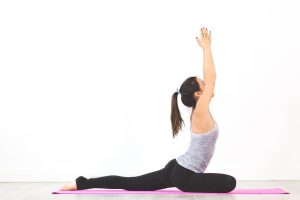
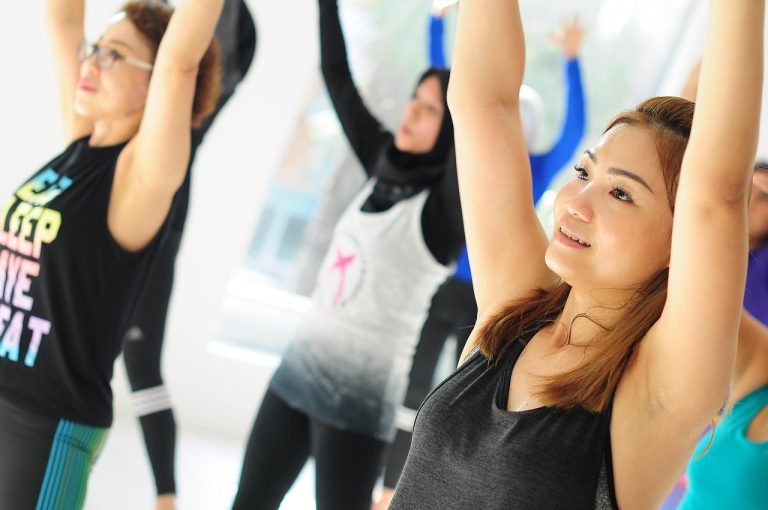
Unwind your mind and body with a collection of relaxing stretches designed to melt away tension and promote overall well-being. In today’s fast-paced world, stress and physical discomfort are all too common. Incorporating gentle stretching into your daily routine can be a powerful tool for combating these issues, improving flexibility, reducing muscle stiffness, and fostering a sense of calm. This guide will explore a variety of relaxing stretches suitable for all fitness levels, providing you with the knowledge and tools to create your own personalized relaxation routine.
Benefits of Relaxing Stretches
Relaxing stretches offer a multitude of benefits that extend beyond simple flexibility. Regular practice can significantly improve your physical and mental health.
Physical Benefits
- Improved Flexibility: Gentle stretching increases the range of motion in your joints, making everyday movements easier and more comfortable.
- Reduced Muscle Tension: Stretching helps to release built-up tension in muscles, alleviating soreness and stiffness.
- Improved Circulation: Stretching promotes blood flow to muscles and tissues, delivering essential nutrients and oxygen.
- Pain Relief: Relaxing stretches can help alleviate pain associated with conditions like back pain, neck pain, and arthritis. Studies have shown that consistent stretching can reduce chronic pain levels significantly.
- Better Posture: By lengthening and strengthening muscles, stretching can contribute to improved posture, reducing strain on your spine.
Mental Benefits
- Stress Reduction: Stretching promotes relaxation by activating the parasympathetic nervous system, which helps to lower heart rate and blood pressure.
- Improved Mood: Stretching releases endorphins, natural mood boosters that can help alleviate anxiety and depression.
- Increased Body Awareness: Focusing on your body during stretching allows you to become more aware of areas of tension and discomfort.
- Mindfulness: Stretching can be a form of mindfulness, allowing you to focus on the present moment and quiet your mind.
- Improved Sleep Quality: Relaxing stretches before bed can help calm your mind and body, promoting restful sleep.
Essential Relaxing Stretches
These stretches target major muscle groups and are designed to be gentle and accessible for all. Remember to listen to your body and never force a stretch.
Neck Stretches
- Neck Tilts: Gently tilt your head towards your right shoulder, feeling a stretch along the left side of your neck. Hold for 20-30 seconds and repeat on the other side.
- Neck Rotations: Slowly turn your head to the right, as if looking over your shoulder. Hold for 20-30 seconds and repeat on the other side.
- Chin Tucks: Gently tuck your chin towards your chest, feeling a stretch in the back of your neck. Hold for 15-20 seconds and repeat several times.
Shoulder Stretches
- Cross-Body Shoulder Stretch: Bring your right arm across your body and gently hold it with your left hand near your elbow. Hold for 20-30 seconds and repeat on the other side.
- Behind-the-Back Clasp: Clasp your hands behind your back and gently lift your arms upwards, feeling a stretch in your chest and shoulders. Hold for 20-30 seconds.
- Shoulder Rolls: Rotate your shoulders forward and backward in a circular motion, relieving tension in the upper back and neck. Perform 10-15 rotations in each direction.
Back Stretches
- Cat-Cow Stretch: Start on your hands and knees. Inhale as you arch your back and drop your belly towards the floor (cow pose). Exhale as you round your spine and tuck your chin to your chest (cat pose). Repeat 10-15 times. This helps improve spinal mobility.
- Child’s Pose: Start on your hands and knees, then sit back on your heels and extend your arms forward, resting your forehead on the floor. This stretch gently elongates the spine and relieves tension in the lower back. Hold for 30-60 seconds.
- Seated Spinal Twist: Sit with your legs extended in front of you. Bend your right knee and place your right foot outside your left knee. Twist your torso to the right, placing your left hand on your right knee and your right hand behind you for support. Hold for 20-30 seconds and repeat on the other side.
Leg Stretches
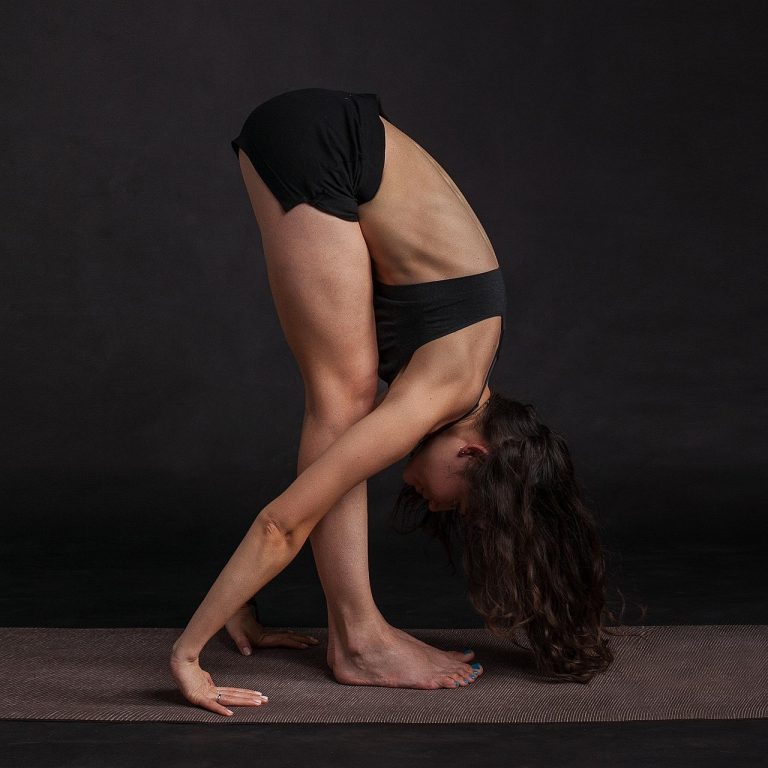
- Hamstring Stretch: Sit on the floor with your legs extended in front of you. Reach towards your toes, keeping your back as straight as possible. Hold for 20-30 seconds. If you can’t reach your toes, don’t worry – just reach as far as you comfortably can. You can also use a towel looped around your feet to assist.
- Quadriceps Stretch: Stand holding onto a chair or wall for balance. Bend your right knee and grasp your right foot with your right hand, pulling it towards your buttocks. Hold for 20-30 seconds and repeat on the other side.
- Calf Stretch: Stand facing a wall and place your hands on the wall for support. Step one leg back, keeping your heel on the ground. Lean forward until you feel a stretch in your calf. Hold for 20-30 seconds and repeat on the other side.
Creating Your Relaxation Stretching Routine
Consistency is key when it comes to reaping the benefits of relaxing stretches. Aim to incorporate stretching into your daily routine, even if it’s just for a few minutes each day.
Tips for Creating a Routine
- Choose a Time and Place: Designate a specific time and place for your stretching routine to help you stay consistent. Morning, evening, or after a workout are all good options.
- Start Slowly: Begin with just a few stretches and gradually increase the duration and intensity as you become more comfortable.
- Listen to Your Body: Never force a stretch beyond your comfort level. You should feel a gentle pull, but not pain.
- Breathe Deeply: Focus on your breath throughout your stretching routine. Deep, slow breaths can help you relax and deepen the stretch.
- Incorporate Music or Meditation: Listening to calming music or practicing meditation during your stretching routine can enhance the relaxation experience.
Sample Routine
Here is a sample routine you can follow. Hold each stretch for 20-30 seconds, unless otherwise indicated.
Neck Tilts (both sides)
Shoulder Rolls (10 rotations in each direction)
Cross-Body Shoulder Stretch (both sides)
Cat-Cow Stretch (10 repetitions)
Child’s Pose (60 seconds)
Hamstring Stretch
Quadriceps Stretch (both sides)
Calf Stretch (both sides)
Common Mistakes to Avoid
While stretching is generally safe, there are a few common mistakes that can lead to injury.
Stretching Mistakes
- Bouncing: Avoid bouncing during stretches, as this can cause muscle tears.
- Holding Your Breath: Remember to breathe deeply throughout your stretches. Holding your breath can increase tension.
- Stretching Cold Muscles: Warm up your muscles with light cardio before stretching to prevent injury.
- Ignoring Pain: Stop stretching immediately if you feel any sharp or intense pain.
- Overstretching: Don’t try to force your body into positions it’s not ready for. Be patient and gradually increase your flexibility over time.
Conclusion
Integrating relaxing stretches into your daily life offers significant advantages for your physical and mental well-being. By increasing flexibility, reducing stress, and improving overall body awareness, you can create a more comfortable and balanced lifestyle. Remember to listen to your body, stretch regularly, and enjoy the process of unwinding and rejuvenating. Embrace the power of stretching and experience the transformative benefits it can bring.