Tight hamstrings can be a real pain, literally! Whether you’re an athlete striving for peak performance or simply someone seeking relief from everyday stiffness, understanding and effectively stretching your hamstrings is crucial. This blog post will delve into the importance of hamstring flexibility, explore various stretches, and provide practical tips to help you improve your range of motion and overall well-being.
Why Hamstring Flexibility Matters
Your hamstrings, a group of three muscles running down the back of your thigh, play a vital role in movement and posture. Keeping them flexible offers a multitude of benefits.
Improved Range of Motion
- Greater Flexibility: Allows for a wider range of motion in your hips and knees.
- Enhanced Athletic Performance: Improves performance in activities like running, jumping, and kicking.
- Everyday Activities Made Easier: Makes daily tasks like bending over, reaching for objects, and climbing stairs less strenuous.
Reduced Risk of Injury
- Decreased Muscle Strain: Flexible hamstrings are less likely to be strained or torn during exercise or physical activity.
- Lower Back Pain Relief: Tight hamstrings can contribute to lower back pain by pulling on the pelvis; stretching can alleviate this tension. According to the American Physical Therapy Association, hamstring flexibility is often a key component in lower back pain management.
- Improved Posture: Helps maintain proper alignment and reduces the risk of postural imbalances.
Enhanced Circulation and Recovery
- Increased Blood Flow: Stretching promotes blood flow to the hamstrings, aiding in muscle recovery and reducing soreness.
- Faster Recovery Time: Facilitates the removal of metabolic waste products from the muscles, accelerating recovery after exercise.
Effective Hamstring Stretches
Now that we’ve established the importance of hamstring flexibility, let’s explore some effective stretches you can incorporate into your routine. Remember to listen to your body and avoid pushing yourself too hard.
Seated Hamstring Stretch
- How to Perform: Sit on the floor with your legs extended straight out in front of you. Reach towards your toes, keeping your back as straight as possible. Hold the stretch for 20-30 seconds.
- Tips: If you can’t reach your toes, use a towel or strap to assist you. Avoid rounding your back excessively. Focus on feeling the stretch in the back of your thighs. You can also perform this stretch with one leg extended and the other bent with the foot resting against the inner thigh of the extended leg for a more focused stretch.
Standing Hamstring Stretch
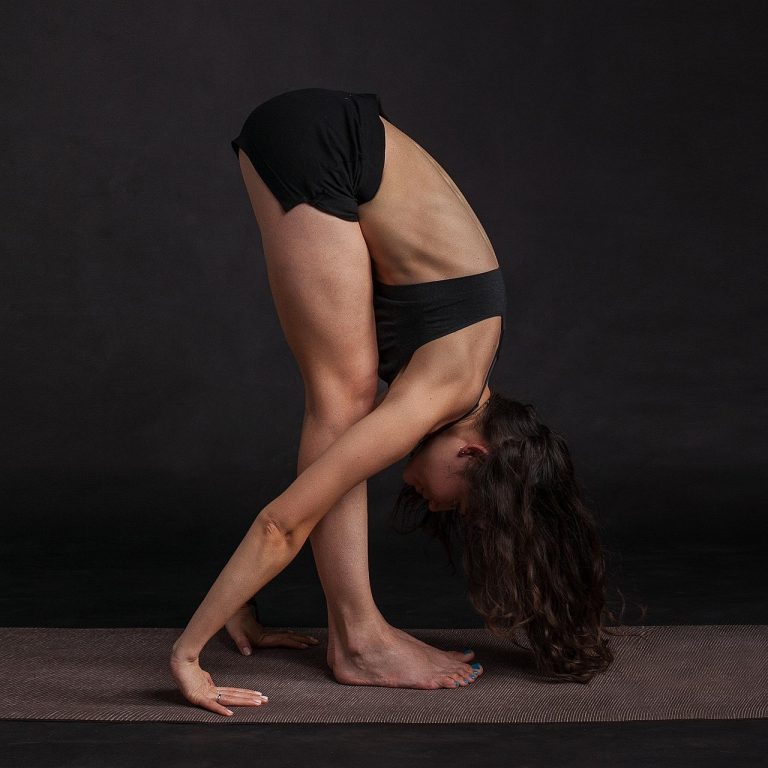
- How to Perform: Stand with your feet hip-width apart. Place one foot slightly in front of the other, heel on the ground, toes pointed upwards. Gently bend the standing leg and hinge forward at the hips, keeping your back straight. Hold for 20-30 seconds and repeat on the other side.
- Tips: Keep your back straight to avoid putting strain on your lower back. Focus on hinging at the hips rather than rounding your back.
Lying Hamstring Stretch (Towel Stretch)
- How to Perform: Lie on your back with both legs extended. Loop a towel or strap around the ball of one foot. Gently pull the towel towards you, keeping your leg straight. Hold for 20-30 seconds and repeat on the other side.
- Tips: Keep your lower back pressed against the floor. Aim for a comfortable stretch, not an extreme pull. This stretch is particularly effective for isolating the hamstring muscles.
Downward-Facing Dog (Yoga)
- How to Perform: Start on your hands and knees. Tuck your toes and lift your hips up and back, forming an inverted V-shape with your body. Press your heels towards the floor, keeping your legs as straight as possible. Hold for 30-60 seconds.
- Tips: Focus on lengthening your spine and opening your shoulders. Don’t worry if your heels don’t touch the floor; focus on maintaining a straight line from your hands to your hips. This pose provides a gentle stretch to the hamstrings, calves, and spine.
Stretching Safety and Best Practices
To maximize the benefits of hamstring stretching and minimize the risk of injury, it’s essential to follow these guidelines:
Warm-up First
- Importance: Always warm up your muscles before stretching to increase blood flow and make them more pliable.
- Examples: Engage in light cardio such as jogging in place, jumping jacks, or arm circles for 5-10 minutes.
Proper Technique
- Avoid Bouncing: Stretch slowly and smoothly, avoiding any bouncing motions, which can cause muscle tears.
- Listen to Your Body: Stop if you feel sharp pain. A mild pulling sensation is normal, but pain indicates overstretching.
- Hold Each Stretch: Hold each stretch for at least 20-30 seconds to allow the muscles to lengthen effectively.
Frequency and Consistency
- Regular Stretching: Aim to stretch your hamstrings regularly, ideally 2-3 times per week.
- Consistency is Key: Consistent stretching over time will yield the best results. Don’t expect to see significant improvements overnight.
Incorporating Stretching into Your Daily Routine
Finding time for stretching can be a challenge, but even small additions can make a big difference.
Morning Routine
- Wake-Up Stretch: Start your day with a few simple hamstring stretches to improve circulation and flexibility. Try a seated or lying hamstring stretch before getting out of bed.
Desk Breaks
- Office Stretches: Take short breaks throughout the day to stretch your hamstrings at your desk. A standing hamstring stretch can be easily performed in the office.
Post-Workout Recovery
- Cool-Down Stretches: After exercise, dedicate time to stretching your hamstrings to aid in muscle recovery and prevent soreness.
Conclusion
Prioritizing hamstring flexibility through regular stretching can significantly improve your overall well-being. By incorporating the stretches and best practices outlined in this blog post, you can enhance your range of motion, reduce your risk of injury, and improve your athletic performance and daily activities. Remember to listen to your body, be consistent with your stretching routine, and enjoy the benefits of flexible, healthy hamstrings!