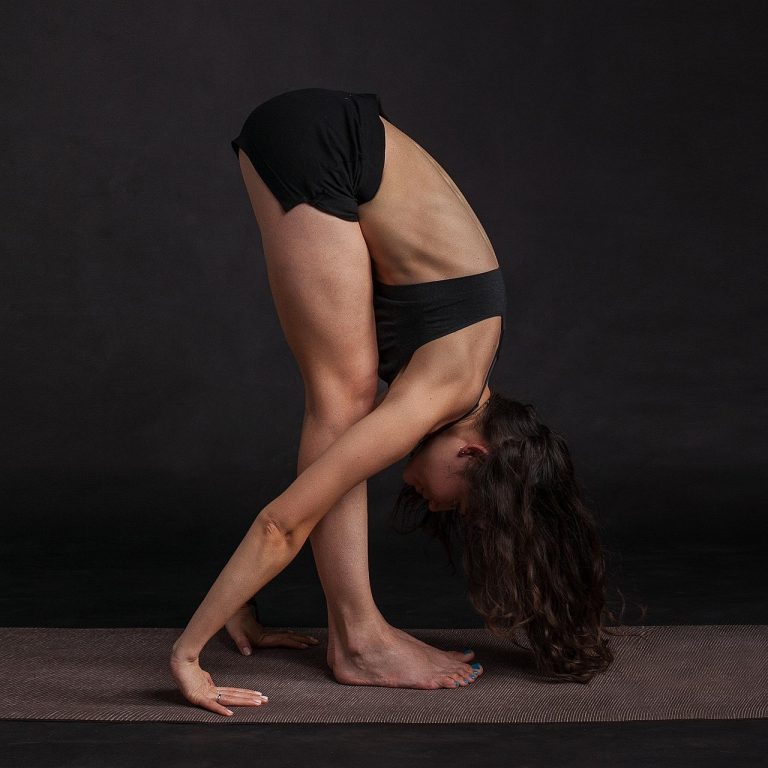
Stiff muscles and limited flexibility can hold you back from enjoying your favorite activities and impact your overall well-being. But, with a well-structured stretching plan, you can unlock a greater range of motion, reduce injury risk, and experience a boost in your athletic performance and everyday comfort. This guide provides a comprehensive overview of how to create and implement an effective stretching routine tailored to your individual needs and goals.
Understanding the Importance of Stretching
Benefits of Regular Stretching
Integrating stretching into your routine offers a wealth of benefits, both physically and mentally. Studies show that regular stretching can significantly improve flexibility and range of motion, leading to a more comfortable and active lifestyle. Some key benefits include:
- Improved Flexibility: Stretching increases the length of your muscles, allowing for a greater range of motion in your joints.
- Reduced Muscle Soreness: Stretching after exercise can help reduce delayed onset muscle soreness (DOMS).
- Improved Posture: Stretching can help improve posture by loosening tight muscles that pull the body out of alignment.
- Increased Blood Flow: Stretching increases blood flow to your muscles, which can help improve muscle recovery and reduce fatigue.
- Stress Relief: Stretching can help relax your muscles and mind, reducing stress and promoting relaxation.
- Enhanced Athletic Performance: Increased flexibility can translate to improved athletic performance in various sports and activities.
Types of Stretching
Choosing the right type of stretching is crucial for maximizing its benefits and minimizing the risk of injury. Here’s a breakdown of common stretching methods:
- Static Stretching: Holding a stretch in a comfortable position for a set period (typically 15-30 seconds). Best performed after a workout or when muscles are warm. Example: Hamstring stretch by reaching for your toes while seated.
- Dynamic Stretching: Controlled movements that take a muscle through its full range of motion. Ideal as a warm-up before exercise. Example: Arm circles, leg swings, torso twists.
- Ballistic Stretching: Involves bouncing movements to force a muscle beyond its normal range of motion. Not generally recommended due to the high risk of injury.
- Proprioceptive Neuromuscular Facilitation (PNF) Stretching: A more advanced technique involving contracting and relaxing muscles. Often performed with a partner. Example: Contract-relax hamstring stretch.
Creating Your Personalized Stretching Plan
Assessing Your Flexibility
Before diving into a stretching plan, it’s important to assess your current flexibility levels. This helps you identify areas that need the most attention and track your progress over time.
- Use a sit-and-reach test to measure hamstring and lower back flexibility.
- Assess shoulder flexibility by reaching behind your back to see how close your hands can come together.
- Note any areas of pain or discomfort during movement.
- Consider consulting a physical therapist or personal trainer for a professional assessment.
Setting Realistic Goals
Setting achievable goals is key to staying motivated and consistent with your stretching routine. Consider these tips:
- Start small: Begin with short, frequent stretching sessions (e.g., 10-15 minutes daily) rather than infrequent, long sessions.
- Focus on specific areas: Identify the muscles that need the most improvement and prioritize them in your stretching routine.
- Set measurable goals: Track your progress by noting how far you can stretch and how your flexibility improves over time.
- Be patient: Flexibility takes time to develop, so don’t get discouraged if you don’t see results immediately.
Designing a Sample Stretching Routine
Here’s a sample stretching routine that you can customize based on your needs:
- Warm-up (5 minutes): Light cardio, such as jogging in place or jumping jacks.
- Static Stretching (15-20 minutes):
Hamstring stretch (30 seconds per leg)
Quadriceps stretch (30 seconds per leg)
Calf stretch (30 seconds per leg)
Hip flexor stretch (30 seconds per leg)
Shoulder stretch (30 seconds per arm)
Triceps stretch (30 seconds per arm)
* Back stretch (30 seconds)
- Cool-down (5 minutes): Gentle walking and deep breathing.
Remember to listen to your body and stop if you feel any pain. Adjust the duration and intensity of each stretch as needed.
Implementing Your Stretching Routine
Timing Your Stretches
The timing of your stretches can significantly impact their effectiveness. Consider these guidelines:
- Warm-up: Perform dynamic stretches before exercise to prepare your muscles for activity. Examples include arm circles, leg swings, and torso twists.
- Cool-down: Perform static stretches after exercise to help your muscles recover and reduce soreness.
- Throughout the day: Incorporate short stretching breaks into your daily routine to improve posture and reduce muscle tension.
Proper Stretching Technique
Using proper technique is crucial for avoiding injuries and maximizing the benefits of stretching. Keep these points in mind:
- Warm up your muscles before stretching.
- Stretch slowly and gradually, avoiding bouncing movements.
- Breathe deeply and evenly throughout each stretch.
- Hold each stretch for 15-30 seconds.
- Focus on the targeted muscle and avoid straining other parts of your body.
- Listen to your body and stop if you feel any pain.
Common Mistakes to Avoid
Avoid these common mistakes to ensure a safe and effective stretching routine:
- Bouncing during stretches: This can lead to muscle tears and injuries.
- Holding your breath: This can increase blood pressure and reduce the effectiveness of the stretch.
- Stretching cold muscles: This can increase the risk of injury.
- Stretching too far: Only stretch to the point of mild tension, not pain.
- Ignoring pain: If you feel any sharp or severe pain, stop stretching immediately.
Maintaining and Progressing Your Stretching Plan
Consistency is Key
The most important factor in achieving and maintaining flexibility is consistency. Aim to stretch regularly, even if it’s just for a few minutes each day.
- Make stretching a part of your daily routine, like brushing your teeth.
- Find a stretching buddy to help you stay motivated.
- Track your progress and celebrate your achievements.
Progressing Your Stretches
As your flexibility improves, gradually increase the intensity and duration of your stretches.
- Hold stretches for longer periods (up to 60 seconds).
- Try more challenging stretches that target deeper muscles.
- Incorporate resistance bands or other tools to increase the intensity of your stretches.
Listening to Your Body
Pay attention to your body’s signals and adjust your stretching routine as needed.
- If you feel any pain, stop stretching immediately.
- If you’re feeling fatigued or sore, take a break from stretching.
- Consult a healthcare professional if you have any concerns about your flexibility or stretching routine.
Conclusion
A well-designed and consistently followed stretching plan can significantly improve your flexibility, reduce your risk of injury, and enhance your overall well-being. By understanding the importance of stretching, creating a personalized routine, and implementing it correctly, you can unlock a greater range of motion and enjoy a more active and comfortable lifestyle. Remember to listen to your body, progress gradually, and stay consistent with your stretching efforts to reap the full benefits of this important practice.