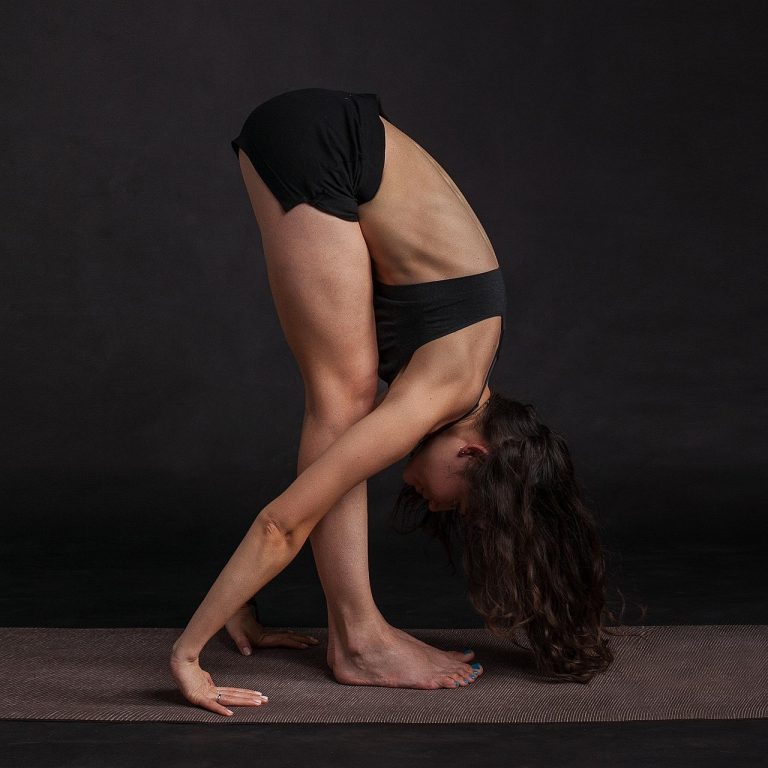
A consistent movement routine isn’t just about hitting the gym; it’s about integrating movement into your daily life for better health, energy, and overall well-being. Whether you’re a seasoned athlete or someone just starting their wellness journey, creating a personalized movement routine can significantly impact your physical and mental health. This blog post will guide you through the steps to build a movement routine that fits your lifestyle and helps you achieve your goals.
Why You Need a Movement Routine
The Benefits of Regular Movement
Consistent physical activity offers a wealth of benefits that extend far beyond just physical fitness. It’s an investment in your long-term health and well-being.
- Improved Cardiovascular Health: Regular movement strengthens your heart, lowers blood pressure, and reduces the risk of heart disease and stroke.
- Weight Management: Movement helps you burn calories, build muscle, and maintain a healthy weight.
- Enhanced Mental Health: Physical activity releases endorphins, which have mood-boosting effects and can help reduce stress, anxiety, and depression. Studies show that even short bursts of activity can significantly improve mood.
- Increased Energy Levels: Counterintuitively, regular movement can increase your energy levels by improving circulation and delivering oxygen and nutrients to your tissues.
- Stronger Bones and Muscles: Weight-bearing exercises, like walking and strength training, help build and maintain bone density and muscle mass, reducing the risk of osteoporosis and falls.
- Improved Sleep Quality: Regular physical activity can help regulate your sleep-wake cycle and improve the quality of your sleep.
- Reduced Risk of Chronic Diseases: Movement helps prevent or manage chronic conditions such as type 2 diabetes, some types of cancer, and arthritis.
Sedentary Lifestyle Risks
On the other hand, a sedentary lifestyle poses significant risks to your health. According to the World Health Organization (WHO), insufficient physical activity is a leading risk factor for global mortality.
- Increased Risk of Chronic Diseases: Prolonged sitting is linked to an increased risk of heart disease, type 2 diabetes, certain cancers, and premature death.
- Weight Gain and Obesity: Lack of physical activity contributes to weight gain and obesity, which further increase the risk of other health problems.
- Muscle Weakness and Atrophy: Sitting for extended periods can lead to muscle weakness, particularly in the legs and core.
- Poor Circulation: Prolonged sitting can impair circulation, leading to swollen ankles, varicose veins, and an increased risk of blood clots.
- Increased Risk of Mental Health Problems: Studies have shown that a sedentary lifestyle is associated with an increased risk of anxiety and depression.
Building Your Movement Routine: A Step-by-Step Guide
Assess Your Current Activity Level
Before creating a movement routine, it’s important to understand your current activity level. This will help you set realistic goals and avoid overexertion.
- Track Your Daily Steps: Use a pedometer or smartphone app to track your daily steps for a week. This will give you a baseline for your current activity level. Most experts recommend aiming for at least 10,000 steps per day.
- Identify Your Sedentary Time: Estimate how much time you spend sitting each day, whether at work, commuting, or watching TV.
- Consider Your Current Exercise Habits: Do you already engage in any regular physical activity, such as going to the gym, playing sports, or taking walks? If so, note the frequency, duration, and intensity of these activities.
- Reflect on Your Physical Limitations: Are there any physical limitations or health conditions that you need to consider when designing your movement routine? Consult with your doctor or a physical therapist if you have any concerns.
Set Realistic Goals
Setting realistic goals is crucial for staying motivated and making progress. Start small and gradually increase the intensity and duration of your activities.
- SMART Goals: Use the SMART framework to set Specific, Measurable, Achievable, Relevant, and Time-bound goals. For example, instead of “I want to get in shape,” try “I will walk for 30 minutes three times a week for the next month.”
- Focus on Consistency: Aim for consistency rather than perfection. It’s better to do a little bit of movement every day than to do a lot of movement once a week and then do nothing for the rest of the week.
- Break Down Larger Goals: Break down larger goals into smaller, more manageable steps. For example, if your goal is to run a 5k, start by walking, then gradually introduce jogging intervals, and eventually build up to running the entire distance.
- Listen to Your Body: Pay attention to your body’s signals and don’t push yourself too hard, especially when starting. Rest when you need to, and don’t be afraid to modify your routine if you’re experiencing pain or discomfort.
Choose Activities You Enjoy
The key to sticking with a movement routine is to choose activities that you find enjoyable. This will make it more likely that you’ll look forward to your workouts and stay motivated.
- Explore Different Options: Experiment with different types of activities to find what you like. This could include walking, running, swimming, cycling, dancing, yoga, Pilates, strength training, or playing sports.
- Consider Your Interests: Think about your interests and hobbies, and try to find activities that align with them. For example, if you enjoy spending time outdoors, try hiking, biking, or kayaking. If you enjoy music, try dancing or Zumba.
- Make It Social: Exercising with friends or family can make it more fun and help you stay accountable. Join a group fitness class, find a workout buddy, or participate in a sports league.
- Incorporate Variety: Vary your activities to prevent boredom and work different muscle groups. Mix cardio, strength training, and flexibility exercises into your routine.
Designing Your Weekly Movement Plan
Sample Weekly Routine
Here’s a sample weekly movement routine that you can adapt to your own needs and preferences. Remember to consult with your doctor before starting any new exercise program.
- Monday: 30-minute brisk walk during lunch break. Evening: 30-minute strength training session (squats, push-ups, lunges, planks).
- Tuesday: 45-minute yoga class in the morning.
- Wednesday: Rest or active recovery (e.g., light stretching, leisurely walk).
- Thursday: 30-minute jog in the park. Evening: 30-minute Pilates session.
- Friday: 30-minute bike ride after work.
- Saturday: Hike in a nearby park (1-2 hours).
- Sunday: Rest or active recovery (e.g., gentle swim, leisurely walk).
Incorporating Movement into Daily Life
In addition to structured workouts, it’s important to incorporate movement into your daily life. Small changes can add up and make a big difference over time.
- Take the Stairs: Whenever possible, take the stairs instead of the elevator or escalator.
- Walk or Bike to Work: If feasible, walk or bike to work or school.
- Stand Up Regularly: Set a timer to remind yourself to stand up and move around every 30 minutes.
- Take Active Breaks: During breaks from work or studying, do some stretching, walk around the office, or do a few jumping jacks.
- Park Farther Away: Park farther away from your destination and walk the extra distance.
- Do Household Chores: Household chores like gardening, vacuuming, and mopping can be a great way to get some extra movement into your day.
- Walk During Phone Calls: Instead of sitting down during phone calls, walk around or pace back and forth.
Tracking Your Progress
Tracking your progress is essential for staying motivated and seeing results. This will also allow you to adjust your routine as needed to continue making progress.
- Use a Fitness Tracker: Wear a fitness tracker or use a smartphone app to track your steps, distance, calories burned, and other metrics.
- Keep a Workout Journal: Record your workouts in a journal or spreadsheet, noting the type of activity, duration, intensity, and how you felt.
- Take Progress Photos: Take progress photos every few weeks to visually track your progress.
- Measure Your Body Measurements: Measure your body measurements (e.g., waist circumference, hip circumference) every month to track changes in your body composition.
- Monitor Your Energy Levels and Mood: Pay attention to how your energy levels and mood change over time as you continue your movement routine.
Staying Motivated and Avoiding Burnout
Setbacks and Adjustments
It’s normal to experience setbacks and challenges along the way. Don’t get discouraged if you miss a workout or two. Just get back on track as soon as possible.
- Be Kind to Yourself: Don’t beat yourself up if you miss a workout or fall off track. Just acknowledge it and move on.
- Adjust Your Routine: If you’re consistently missing workouts or feeling burned out, adjust your routine to make it more manageable. This might mean reducing the frequency, duration, or intensity of your workouts.
- Seek Support: Talk to friends, family, or a fitness professional for support and encouragement.
- Focus on the Benefits: Remind yourself of the many benefits of regular movement, such as improved energy levels, mood, and overall health.
Prioritizing Rest and Recovery
Rest and recovery are just as important as movement. Make sure to get enough sleep, eat a healthy diet, and incorporate rest days into your routine.
- Get Enough Sleep: Aim for 7-9 hours of sleep per night.
- Eat a Healthy Diet: Fuel your body with nutritious foods that will support your energy levels and recovery.
- Stay Hydrated: Drink plenty of water throughout the day.
- Incorporate Rest Days: Schedule rest days into your routine to allow your body to recover.
- Practice Stress Management: Manage stress through techniques such as meditation, yoga, or spending time in nature.
- Listen to Your Body: Pay attention to your body’s signals and rest when you need to.
Conclusion
Creating a sustainable movement routine is a journey, not a destination. By following these steps, you can build a personalized plan that fits your lifestyle, helps you achieve your goals, and improves your overall health and well-being. Remember to start small, choose activities you enjoy, and prioritize consistency over perfection. With dedication and perseverance, you can make movement a lifelong habit and reap the many rewards that come with it. Embrace the power of movement and transform your life!