Good posture isn’t just about looking confident; it’s about maintaining a healthy spine, reducing strain on your muscles and joints, and even improving your breathing. In today’s world, where many of us spend hours hunched over desks or staring at screens, practicing posture exercises has become more crucial than ever. Let’s delve into some effective exercises and strategies to help you achieve and maintain optimal posture.
Understanding the Importance of Good Posture
Why Good Posture Matters
Good posture is essential for overall health and well-being. It affects everything from your energy levels to your respiratory function. Consider this: research suggests that poor posture can contribute to chronic pain, headaches, and even digestive issues.
- Reduces Pain: Proper alignment minimizes stress on muscles and joints, alleviating back pain, neck pain, and shoulder pain.
- Improves Breathing: When your spine is aligned, your lungs have more room to expand, leading to deeper, more efficient breaths.
- Boosts Energy Levels: Good posture allows your body to function more efficiently, reducing fatigue and increasing energy.
- Enhances Appearance: Standing tall with your shoulders back and head held high projects confidence and improves your overall appearance.
- Prevents Injuries: Proper alignment reduces the risk of muscle strains, sprains, and other injuries.
Common Causes of Poor Posture
Identifying the root causes of your poor posture is the first step toward correcting it. Several factors can contribute to slouching and misalignment.
- Prolonged Sitting: Desk jobs and long commutes often lead to slouching and rounded shoulders.
- Screen Time: Looking down at phones and tablets puts significant strain on the neck and upper back.
- Weak Core Muscles: A weak core can’t properly support your spine, leading to poor posture.
- Lack of Exercise: Insufficient physical activity can contribute to muscle imbalances and weakness.
- Poor Ergonomics: Incorrect workstation setup can force you into uncomfortable and unnatural positions.
Effective Posture Exercises
Chin Tucks
Chin tucks are a simple yet effective exercise for strengthening the deep neck muscles and correcting forward head posture, a common issue caused by prolonged screen time.
- How to Perform: Sit or stand tall with your shoulders relaxed. Gently draw your chin back towards your neck, creating a double chin. Hold for 5-10 seconds and repeat 10-15 times. Imagine you’re trying to push your head into an imaginary headrest.
- Benefits: Strengthens neck muscles, improves head alignment, reduces neck pain and stiffness.
Shoulder Blade Squeezes (Rhomboid Squeezes)
These exercises target the muscles between your shoulder blades, helping to counteract rounded shoulders and improve upper back posture.
- How to Perform: Sit or stand tall with your arms relaxed at your sides. Squeeze your shoulder blades together, as if you’re trying to pinch a pencil between them. Hold for 5-10 seconds and repeat 10-15 times. Make sure you don’t shrug your shoulders up towards your ears.
- Benefits: Strengthens upper back muscles, improves shoulder alignment, reduces upper back pain.
Chest Stretches (Doorway Stretch)
Opening up your chest is crucial for counteracting the effects of prolonged sitting and rounded shoulders. The doorway stretch is a convenient and effective way to achieve this.
- How to Perform: Stand in a doorway with your arms raised to shoulder height and your elbows bent at 90 degrees. Place your forearms on the doorframe. Gently lean forward until you feel a stretch in your chest. Hold for 20-30 seconds and repeat 2-3 times.
- Benefits: Stretches chest muscles, improves shoulder mobility, opens up the chest and improves breathing.
Core Strengthening Exercises (Plank)
A strong core is essential for supporting your spine and maintaining good posture. The plank is a full-body exercise that effectively engages your core muscles.
- How to Perform: Start in a push-up position, but instead of resting on your hands, rest on your forearms. Keep your body in a straight line from head to heels, engaging your core muscles. Hold for 30-60 seconds, gradually increasing the duration as you get stronger. Repeat 2-3 times. Ensure your hips don’t sag or lift too high.
- Benefits: Strengthens core muscles, improves spinal stability, enhances overall posture.
Hip Flexor Stretches (Kneeling Hip Flexor Stretch)
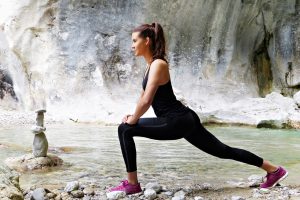
Tight hip flexors can contribute to poor posture by pulling your pelvis forward and causing lower back pain. Stretching your hip flexors can help restore proper alignment.
- How to Perform: Kneel on one knee with your other foot flat on the ground in front of you. Gently push your hips forward until you feel a stretch in the front of your hip. Hold for 20-30 seconds and repeat 2-3 times on each side. Make sure to keep your back straight and avoid arching your lower back.
- Benefits: Stretches hip flexors, improves hip mobility, reduces lower back pain, improves posture.
Integrating Posture Exercises into Your Daily Routine
Setting Reminders
Incorporating posture exercises into your daily routine doesn’t have to be a chore. Here are some practical tips for making it a habit.
- Use Technology: Set reminders on your phone or computer to take breaks and do posture exercises throughout the day.
- Associate with Activities: Link posture exercises with existing activities, such as doing chin tucks while brushing your teeth or shoulder blade squeezes while waiting for the kettle to boil.
- Make it a Social Activity: Encourage friends or colleagues to join you in practicing posture exercises, making it more enjoyable and motivating.
Ergonomic Adjustments
Creating an ergonomic workspace is crucial for preventing poor posture and promoting good alignment.
- Monitor Placement: Position your monitor at eye level to avoid looking down and straining your neck.
- Chair Support: Use a chair with good lumbar support to maintain the natural curve of your spine.
- Keyboard and Mouse Placement: Place your keyboard and mouse close to your body to avoid reaching and straining your shoulders and wrists.
- Regular Breaks: Take regular breaks to stand up, stretch, and move around to prevent stiffness and fatigue.
Mindful Awareness
Paying attention to your posture throughout the day can help you identify and correct poor habits.
- Self-Checks: Periodically check your posture in a mirror or ask a friend to observe you.
- Body Scan: Regularly scan your body to identify areas of tension or discomfort, which may indicate poor posture.
- Visualization: Visualize yourself standing tall with good posture, and consciously align your body accordingly.
Advanced Posture Correction Techniques
Yoga and Pilates
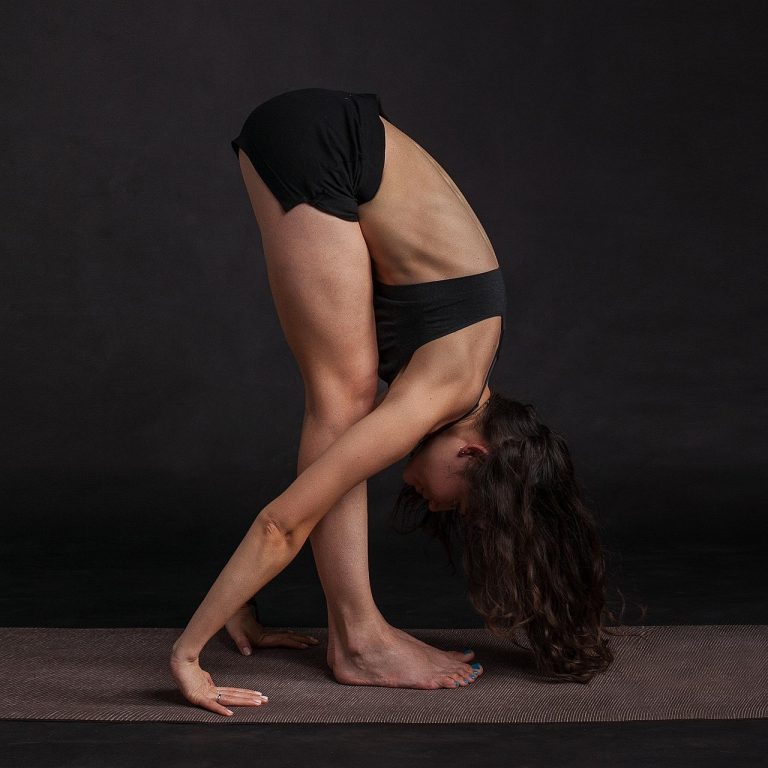
Yoga and Pilates are excellent for improving posture, flexibility, and core strength. These practices focus on alignment, breathing, and body awareness, helping you develop better posture habits.
- Benefits: Increases flexibility, strengthens core muscles, improves body awareness, promotes relaxation.
- Poses to Consider: Mountain pose, downward-facing dog, bridge pose, plank, cat-cow stretch.
Professional Guidance
If you have persistent posture problems or chronic pain, consider seeking guidance from a healthcare professional.
- Physical Therapist: Can assess your posture, identify muscle imbalances, and develop a customized exercise program.
- Chiropractor: Can adjust your spine to restore proper alignment and reduce pain.
- Massage Therapist: Can release muscle tension and improve circulation, promoting better posture.
Conclusion
Achieving and maintaining good posture is an ongoing process that requires dedication and consistency. By incorporating these posture exercises, ergonomic adjustments, and mindful awareness practices into your daily routine, you can improve your overall health, reduce pain, and enhance your quality of life. Remember that small, consistent efforts can make a significant difference in the long run. Start today and take control of your posture!